For years, the Mediterranean diet has hogged the healthy-eating spotlight, emphasizing fresh produce, fish, and olive oil.
Atlantic Versus Mediterranean Diet
While similar to the often-recommended DASH (Dietary Approaches to Stop Hypertension) and Mediterranean diets, the Atlantic diet specifically draws inspiration from the traditional foods and preparations of the Iberian region. Also called the Southern European Atlantic Diet, it originates from the traditional cuisines of northern Portugal and northwestern Spain.The key difference between the Atlantic and Mediterranean diets is which foods are emphasized. Both focus on whole, fresh foods; however, the Mediterranean diet includes more grains and fewer meat and animal products.
Following the Atlantic diet has been associated with decreased risk of heart disease and some cancers as well as increased life expectancy, Sarah Coupal, a registered dietician at Staten Island University Hospital in New York, told The Epoch Times.
- Vegetables, fruits, cereals, whole grains, potatoes, nuts, and legumes
- Various seafood
- Dairy products
- Red meat, poultry, and wild game
- Olive oil
- Wine
Atlantic Diet Lowers Metabolic Syndrome Risk
Metabolic syndrome (MetS) increases the risk of cardiovascular disease and diabetes. It’s characterized by at least three of the following: abdominal obesity, high blood pressure, elevated blood sugar, high triglycerides, and low “good” cholesterol.

Why It Works
Two key benefits of the Atlantic diet are that it doesn’t restrict calories or eliminate food groups, “which indicates that it can be sustainable long-term,” Ms. Coupal said.Other unique aspects of this traditional diet may also contribute to its health effects. Its focus on local, seasonal ingredients means foods are often higher in micronutrients and lower in pesticides. “Focusing on seasonal foods can help you get all the vitamins and minerals you need from a variety of different foods,” she said.
Red Meat Can Be Healthy, but Where You Buy It Matters
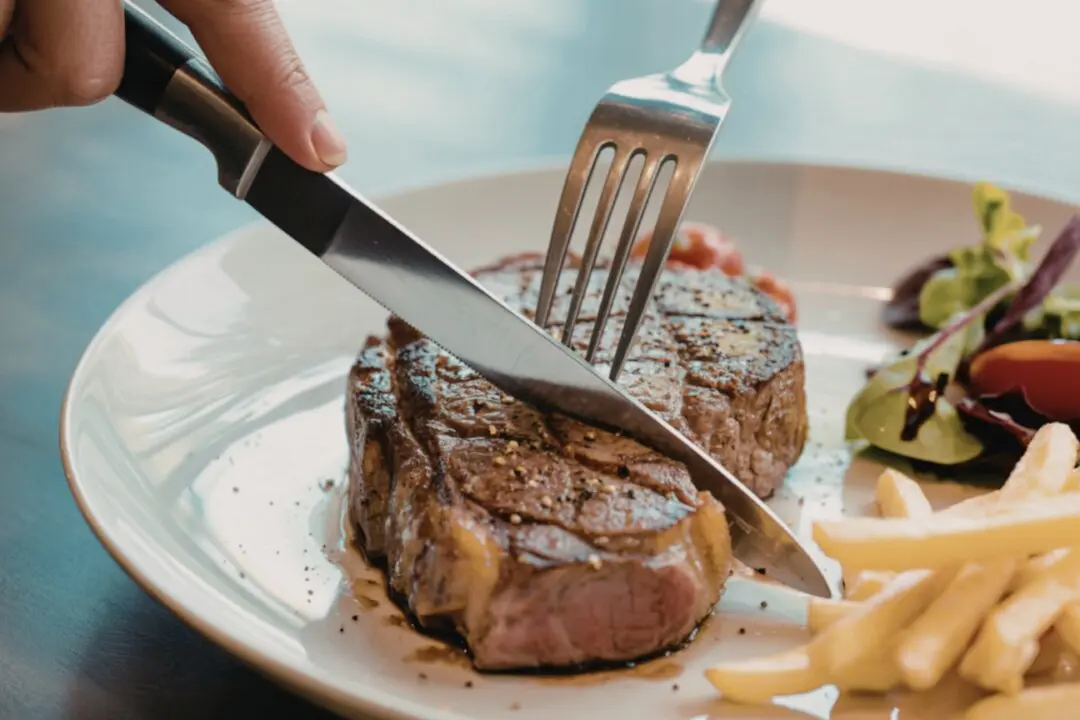
Courtney Coe, a registered dietitian nutritionist at WellTheory, which provides evidence-based nutrition and lifestyle coaching to reduce autoimmune symptoms, said she wasn’t surprised that a diet with more red meat than the Mediterranean diet was still healthy.“People have enjoyed red meat all throughout history,” she said. “Red meats contain important vitamins and minerals and are a great source of protein.”
This way of eating has been shown to support a healthy gut microbiome and cardiovascular health while reducing insulin resistance and even boosting mental health, according to Ms. Coe.
It’s rare for whole, natural foods to cause health issues when consumed as part of a balanced diet, she said. But with red meat, quality is key.
“Processed red meat is much different than unprocessed versions,” Ms. Coe said. She recommends seeking out organic, grass-fed red meat options whenever possible.
“We have been taught to fear red meat,” Ms. Coe said. “But [the Atlantic diet] captures how these foods actually have amazing health benefits when eaten in an unprocessed form.”