Around the world, microplastics are slipping into our drinking water, and most of us have no idea.
Currently, the European standard focuses only on particles larger than 20 micrometers (0.00079 inches). However, the study revealed that most microplastics in drinking water fall below this threshold, highlighting a significant gap in detection capabilities.
“All evidence suggests that it’s the smaller particles that may have the highest impact on human health,” lead study author Oskar Hagelskjaer, who holds a doctorate in atmospheric microplastic pollution, told The Epoch Times. He noted that testing methods need to focus on these smaller particles.
What the Numbers Tell Us
Published in PLOS Water on Jan. 15, the study found that 98 percent of microplastics detected were smaller than 20 micrometers, with 94 percent smaller than 10 micrometers. For context, a human hair is about 70 micrometers thick, while a red blood cell is roughly eight micrometers across.Microplastic concentrations in both bottled and tap water varied, ranging from just 19 particles to more than 1,100 per liter. For reference, a liter is about two standard-size bottles of water in the United States.

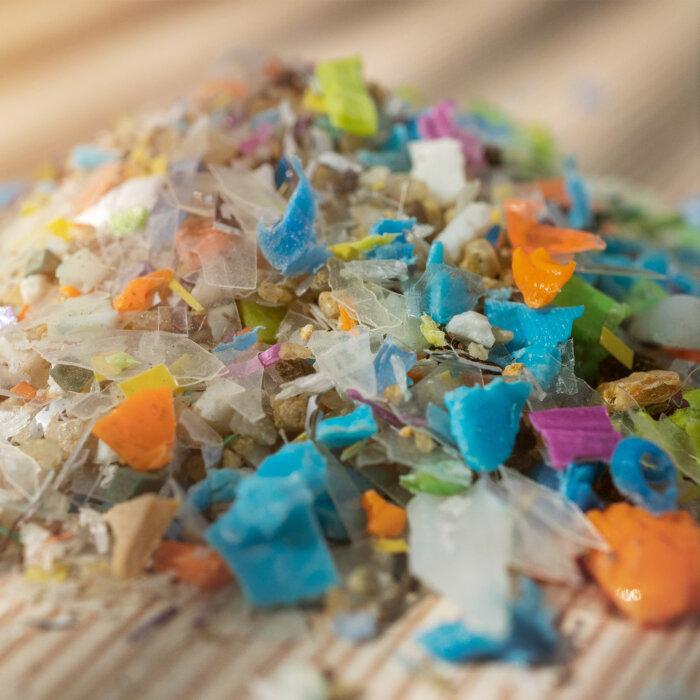
“The highest [concentration] we found was [1,154] particles per liter,” Hagelskjaer said. “In terms of mass, it’s very, very little. We’re talking parts per billion.”
To put it into perspective, the amount of microplastics in bottled water is much smaller than what we’re exposed to from other sources such as air and food. There is no universal threshold for safe microplastic exposure, but these findings depict the ubiquity of microplastics in the environment and reveal a need for clearer guidelines.
The tests researchers conducted for the recent study involved 10 brands of bottled water and one tap water sample from Toulouse, France. The tap water contained more microplastics than eight other bottled water samples, with 413 microplastic particles per liter.
Although tap water had more microplastics than most of the water bottles, Hagelskjaer said this did not necessarily mean all tap water would have more microplastics than most bottled waters. Some of the microplastics may have gotten into the tap water during the water treatment process, but Hagelskjaer acknowledged this was speculative.
Microplastics could also have entered Toulouse’s tap water through environmental pollution—for instance, via plastic waste runoff from nearby rivers.
Overall, the study suggests that microplastic concentrations in bottled water and treated surface water, which is distributed as tap water, are similar.
Microplastic Contamination: A Continuous Cycle
Microplastics in drinking water are part of a larger cycle of contamination, and water is just one entry point. Drinking water accounts for less than a third of our total microplastic exposure; most microplastics come from other sources such as food, air, and dust, contributing to this broader environmental cycle.Matthew Campen, a toxicologist from the University of New Mexico, told The Epoch Times that we need to understand the interconnectedness of these sources.
“Think about how we get food in this country,” Campen said. “We take water, which has microplastics in it, and we irrigate fields with it, and that gets into our crops.” These crops, he said, are then consumed by livestock, ultimately entering the food chain.
When it comes to air exposure, Thais Mauad, professor of medicine at the University of São Paulo, told The Epoch Times she believes that we inhale more microplastics indoors than outdoors because of the widespread presence of plastics in textiles such as clothing, bedding, and carpets.
These synthetic fibers—made from materials such as polyester and nylon—are released during washing and can enter the water system through wastewater. Wastewater treatment plants are not designed to thoroughly remove such tiny particles, allowing some to enter the water system.
Inside Bottled Water
Most of the microplastics Hagelskjaer and his team detected did not come from the polyethylene terephthalate (PET) bottles containing them. PET is commonly used in packaging. While PET particles were found in seven out of 10 bottled water samples, they accounted for less than 5 percent of the microplastics detected in three of those seven samples.It is possible that other factors, such as storage conditions or filtration methods, introduce plastics into the bottled water, Hagelskjaer suggested.
The study also identified 17 types of plastic, with polyethylene and polypropylene being the most common. Because of their resistance to heat and chemicals, these plastics are used in water filtration system components such as pipes and filters. This suggests the microplastics in bottled water could potentially come from the water treatment process itself.
Regulatory Gaps
The U.S. Food and Drug Administration oversees bottled water, but according to the International Bottled Water Association, the agency’s “quality standards are the same as the Environmental Protection Agency maximum contaminant levels for tap water systems,” meaning bottled water is not held to a higher standard. The Environmental Protection Agency (EPA) has not established limits or guidelines for microplastics in drinking water, leaving a regulatory gap.The EPA is working with research organizations to refine detection technologies, but a reliable, field-ready method is still in progress. Meanwhile, its focus has been on what are recognized as more urgent environmental and health threats, such as per- and polyfluoroalkyl substances. As a result, microplastics have received less attention.
Without reliable testing and clear regulations, the extent of microplastic contamination remains unknown. States can create their own laws, but regulatory action often lags behind scientific advancements.
The Epoch Times reached out to the EPA for insight into its efforts regarding microplastics in drinking water. As of publication time, there has been no response to several questions about when—or if—the EPA will introduce federal guidelines and testing methods, particularly for particles smaller than 20 micrometers.
Removing Microplastics: A Complex Challenge
Most home filtration systems are primarily designed to filter out contaminants such as chlorine and heavy metals, which are known health risks. However, these filters are generally not intended to target microplastics.While both methods can significantly reduce microplastics in drinking water, reverse osmosis systems are slower, produce wastewater, and remove beneficial minerals such as calcium and magnesium, which are important for health. In contrast, ultrafiltration works faster, produces no waste, and retains these essential minerals but is slightly less effective at removing finer microplastics.
Can ‘Microplastic-Free’ Certification Help the US?
Hagelskjaer has proposed a “microplastic-free” certification for bottled water in the European Union. This certification would establish a strict limit for microplastics, require bottled water labels to indicate contamination levels, and provide people with a transparent way to choose cleaner options.Hagelskjaer is working to establish a European certification process that sets an ultralow threshold for microplastics—0.01 parts per billion—effectively designating certain bottled waters as “microplastic-free.”