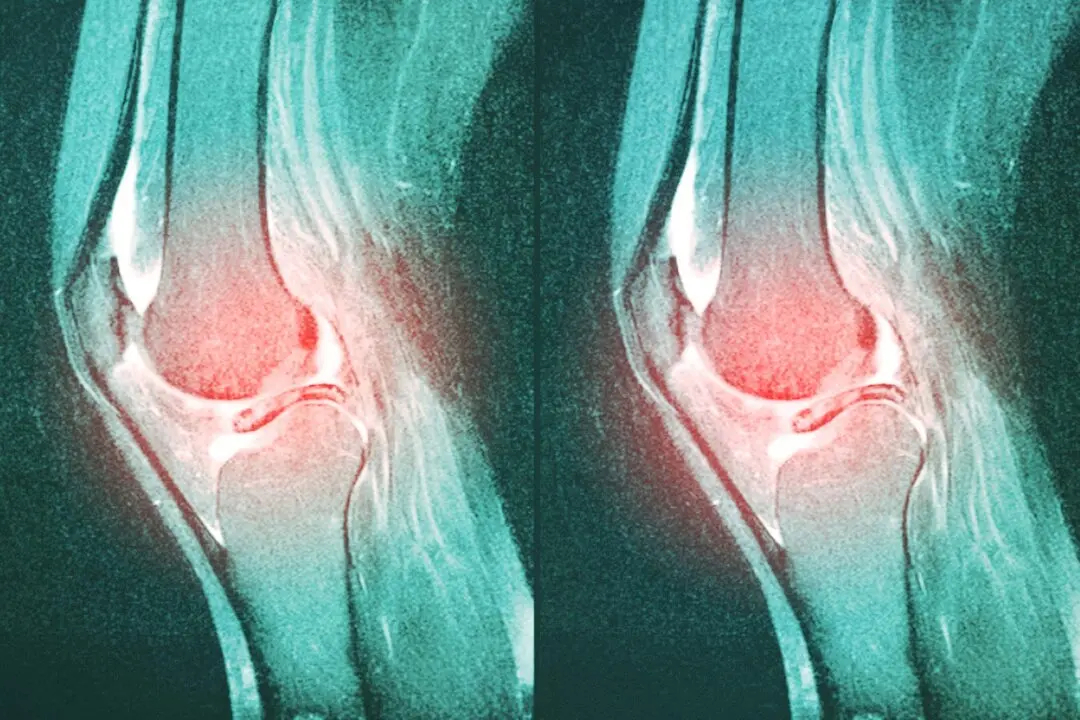
Emerging evidence has shown that it can cause addiction and various adverse effects ranging from mild to life-threatening.
At low doses, kratom has stimulant effects, boosting energy and making one more alert, while at higher doses, it creates opioid-like sedative effects, including relaxation and pain relief.
“I have taken care of people who have been affected by their kratom use—likely more than I knew since people commonly don’t report use due to fear of stigma, not thinking it was relevant to their health problem,” Dr. Eileen Barrett, one of the authors of the commentary, told The Epoch Times via email.The Drug Enforcement Administration has listed kratom as a “Drug and Chemical of Concern” because of its addiction potential and sedative effects. It is not approved by the Food and Drug Administration (FDA) for medical use, and the agency considers kratom and food additives that contain it as unsafe. These products cannot lawfully be marketed in the United States.
Risks Associated With Kratom Use
Side effects associated with kratom use disorder include the following, broken into categories:
- Cardiovascular: rapid heart rate and palpitations
- Gastrointestinal: nausea, vomiting, constipation, and diarrhea
- Neurological: headache, disorientation, and seizure
- Psychiatric: irritability, agitation, depressed mood, and hallucinations
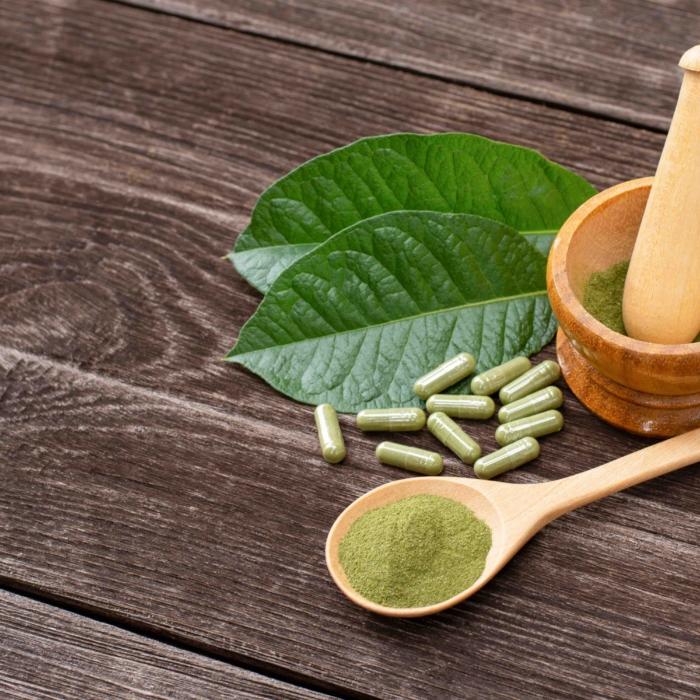
Oliver Grundmann, a clinical professor at the University of Florida College of Pharmacy, told The Epoch Times that the rise in adverse effects and fatalities may be linked to the higher concentration of alkaloids in many commercial kratom extracts or isolates. Traditional kratom preparations, which involve drying and grinding the leaves into powder, result in much lower levels.
He said that in his studies involving native leaf material in teabags and other preparations using native leaf material, the concentrations of mitragynine and alkaloids, the active ingredients of kratom, were low. Low concentrations lead to mild side effects, primarily limited to nausea.
On the other hand, concentrated kratom extracts mask the plant’s unpleasant taste, making it easier for people to consume larger amounts, increasing the risk of higher alkaloid intake and potential toxic effects.
Grundmann compared kratom to acetaminophen, which is safe at low doses but can cause liver damage when taken in very high doses over 24 hours.
“I think we can establish a similar system with dosing instructions and good manufacturing practices by keeping the alkaloid level to ... within what we usually find in the native kratom leaf material,“ he said. ”And that way, we can really keep it primarily focused on the beneficial effects.”
Substitute for Opioids?
Advocacy groups such as the American Kratom Association have pushed for access to kratom because of its perceived benefits.
The foremost benefit advocates highlight is kratom’s potential to treat substance use disorders, such as opioid use disorder (OUD), by reducing the severity of opioid side effects or serving as a substitute for opioids.
“The major public health risk related to kratom would be a ban on kratom access that could drive those who used kratom as a path away from opioids instead back to deadly and highly addictive opioids,” Jack Henningfield, vice president of research, health policy, and abuse liability at Pinney Associates and an adjunct professor of behavioral biology at the Johns Hopkins University School of Medicine, said in a report addressed to the Florida Department of Agriculture and Consumer Practices to support the Kratom Consumer Protection Act.
Barrett is against the use of kratom for OUD, recommending drugs such as buprenorphine and methadone, both of which are approved for treating the condition.
According to Grundmann, the likelihood of kratom being recognized by the FDA as a drug is slim.Unlike an opioid drug, which is a single substance with well-established manufacturing processes, kratom is a plant with high composition variability that can fluctuate based on factors such as harvest time, drying methods, and leaf age, he said.
Experts Suggest a Cautious Approach
As kratom gains more attention in the media and online, people may be drawn to it by overly optimistic claims. Grundmann said it’s not a miracle cure and should be approached with caution.
“It has limitations; it has potential risks. So I do think that it would benefit both the patients as well as the health care provider ... to know whether somebody is taking kratom or is planning to take kratom,” he told The Epoch Times.
Currently, there are no established treatment protocols for kratom use disorder because of limited medical research, and it is not yet recognized in the Diagnostic and Statistical Manual of Mental Disorders. Therefore, the commentary’s authors call for developing practice standards for identifying and treating the condition.
For treating kratom use disorder, Barrett suggested drugs currently approved to treat opioid addictions and withdrawal, such as buprenorphine and naloxone.The authors of the commentary recommend that physicians routinely inquire about kratom use while taking a patient’s medical history, educate patients on potential risks and ways to reduce harm, and advise caution until kratom is regulated.
Grundmann said health care providers who advise stopping use without fully understanding the patient’s perspective may encourage patients to hide their use. Instead, he urged doctors to ask for the patient’s reasons for using it.