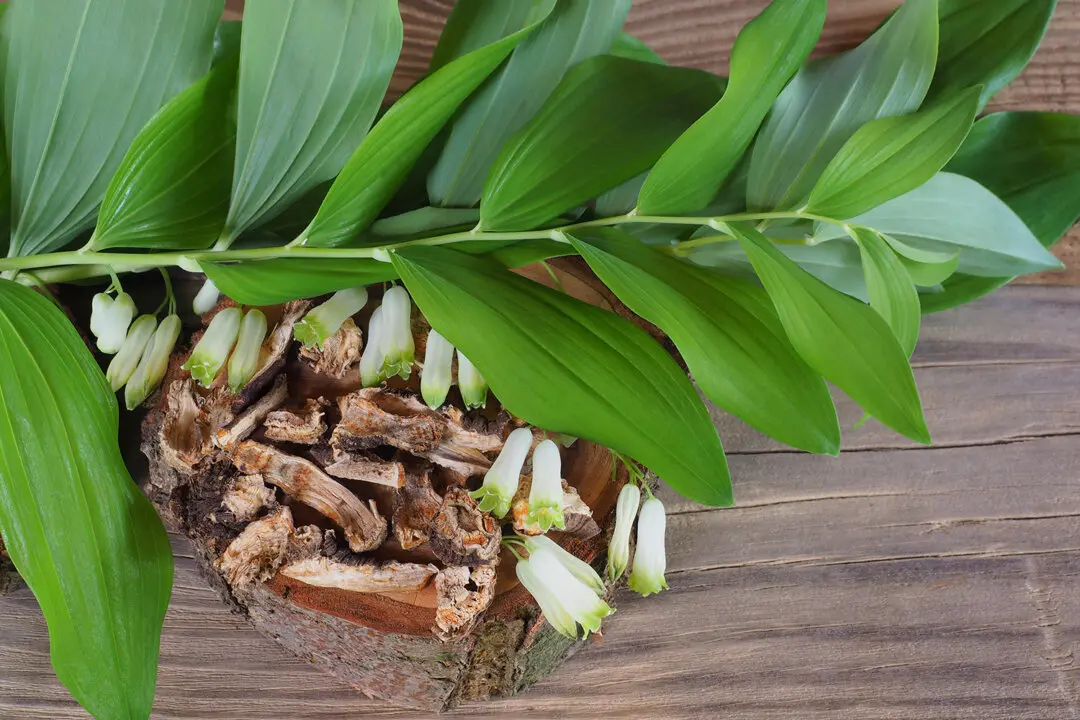
A research team led by C. Justin Lee, director of the Life Sciences Research Cluster at the Institute of Basic Sciences (IBS) in South Korea, found that two saponins—naturally occurring compounds known to have anti-viral activity—in the two plants could inhibit both the COVID-19 virus and its variants.
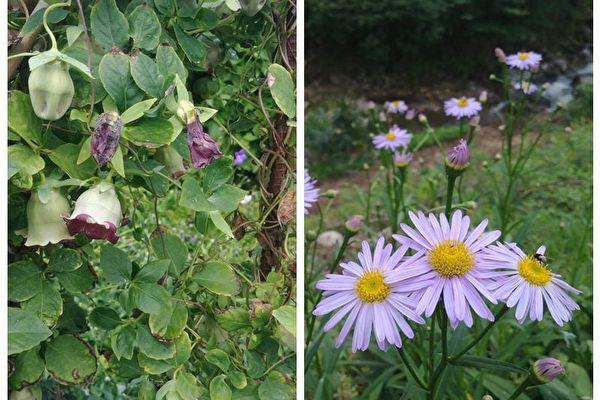
The results of this study suggest that broad-spectrum antivirals could be developed from the herbs.
In traditional Chinese and Korean medicine, Codonopsis lanceolata is valued for its sedative, anticonvulsant, analgesic, anti-fatigue, antihypertensive, anti-tumor, antioxidant, anti-bacterial, anti-cough, and immunity-enhancing functions. It is effective in invigorating blood, dissipating heat, detoxification, and alleviating swelling and boils.
Codonopsis lanceolata is also a popular food in South Korea. Deodeok root is used fresh as a salad ingredient, grilled or pan-fried, or pickled as kimchi.
Aster koraiensis, or Korean starwort, is a hardy flower found everywhere in the Korean Peninsula. Its roots and rhizomes are used to relieve respiratory ailments.
Pharmacological tests have proven that Aster koraiensis is effective as an expectorant and cough suppressant. It is known for its antiviral, antibacterial, and anticancer properties.
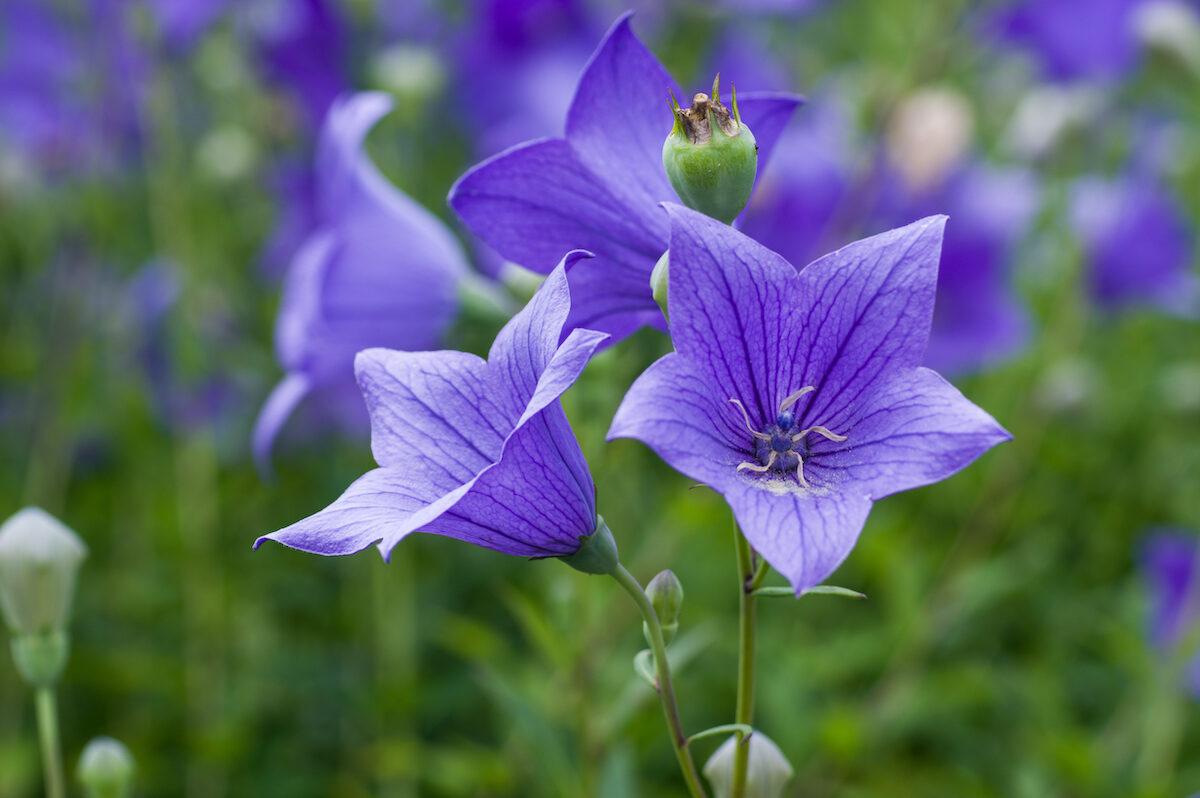
Previously, Lee’s team published a joint study with researchers from Institut Pasteur Korea and the Advanced Institute of Science and Technology, showing that a saponin derived from Platycodon grandifloras—balloon flower—was also able to inhibit COVID-19 infection.
Among its many uses, the herb is a cough suppressant and anti-inflammatory. Like Codonopsis lanceolata, Platycodon grandiflorus is widely used as a food in South Korea.
Although the study is still in the cellular experimentation phase, the team expects clinical trials to be carried out if positive results are obtained in animal experiments.