In the timeless epic “Journey to the West,” the legendary handsome monkey king begins as the carefree ruler of a monkey tribe on Flower-Fruit Mountain. When winter leaves the mountain barren, the clever king leads his troop to unearth a hidden, life-sustaining treasure: Huang Jing (Polygonatum root).
Longevity-Promoting Effects: Ancient Records
The “The Divine Farmer’s Herbal Classic,” China’s earliest surviving herbal classic compiled more than 2,000 years ago, records that Polygonatum root “tonifies the middle and boosts qi [energy],” noting that regular consumption “can lead to longevity.” In traditional Chinese medicine (TCM), “middle” mainly refers to digestive function, as strong digestion brings more energy and resilience.The “Master Embracing Simplicity,” a literary work of the Jin dynasty, classifies Polygonatum root as an “immortal herb” that aids Daoist cultivation toward immortality. It states that great benefits emerge after 10 years of use. Beyond spiritual value, Polygonatum root also served a practical purpose: During poor harvests, it could be dug up to relieve hunger. Mild in nature and pleasantly sweet, it was considered suitable for both older people and children.
8 Key Benefits: Modern Research
While Polygonatum root has long been revered in traditional Chinese herbal medicine, recent studies have increasingly explored its potential in managing various health conditions. Although large-scale human trials remain limited, animal and molecular research, along with emerging clinical evidence, suggest that Polygonatum root may provide benefits through multiple pathways, particularly in addressing fatigue, stress, and age-related concerns.1. Alleviates Fatigue
Suboptimal health describes a state between full wellness and clinical disease, marked by persistent unexplained fatigue and low mood. Research indicates Polygonatum root improves suboptimal health by reducing fatigue, stabilizing mood, restoring neuroendocrine balance, and modulating the gut microbiome.2. Enhances Sleep Quality
Insomnia risk rises with age. A randomized, double-blind, placebo-controlled clinical trial demonstrated that supplementing with Polygonatum root extract for four weeks significantly improved sleep quality and extended total sleep time in participants with mild insomnia.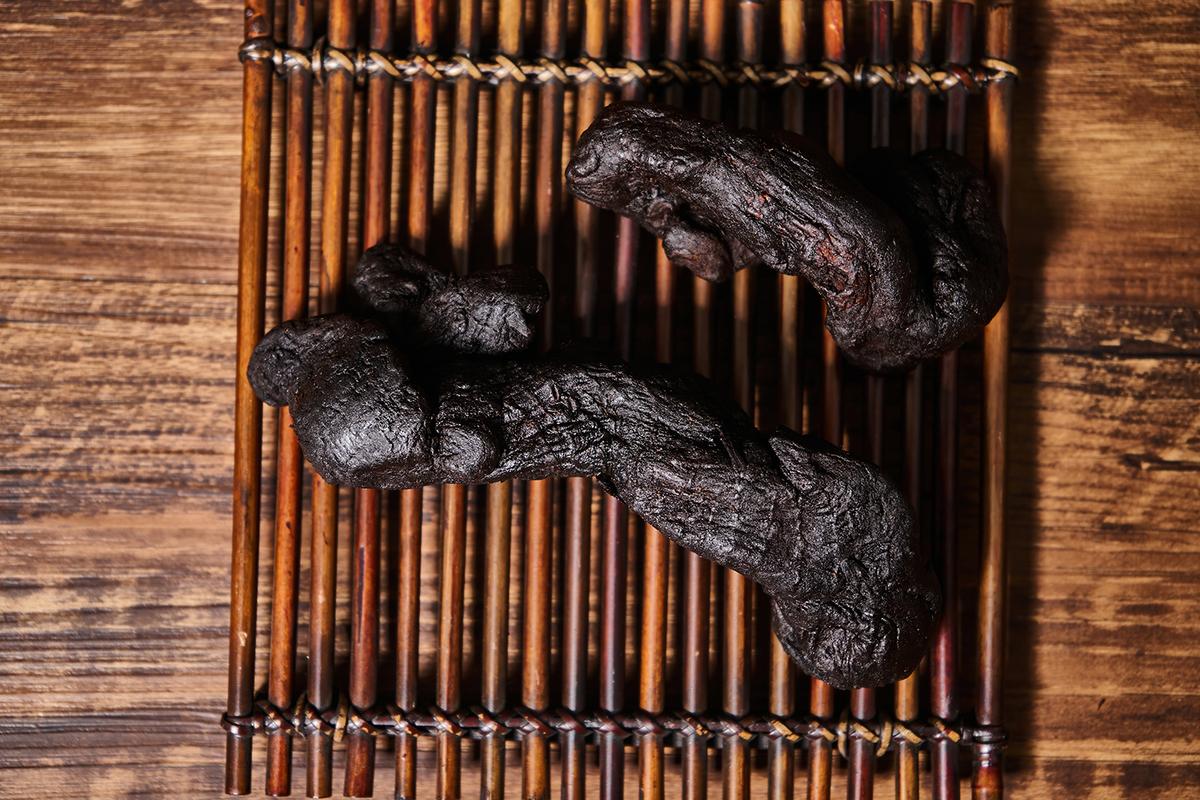
3. Promotes Cognitive Function
An animal study found that under conditions of chronic stress, Polygonatum root polysaccharides protect neurons in the brain. Research suggests they may improve memory and learning, reduce oxidative damage and inflammation in the brain, and regulate neurotransmitters involved in stress and cognition. Polygonatum root has also been shown to dampen stress-hormone responses and modulate the hypothalamic-pituitary-adrenal axis.4. Regulates Immunity
Studies indicate that Polygonatum root polysaccharides have immunomodulatory effects, helping shift immune cells toward a state more conducive to combating tumors.5. Improves Muscle Aging
Research in aging animal models suggests that key components of Polygonatum root may help counter skeletal muscle aging and atrophy, while improving mitochondrial function. Mitochondria are the cell’s energy-producing structures; when their function declines, muscle weakness and other age-related issues are more likely to occur.6. Combats Oxidation
Research shows that Polygonatum root polysaccharides can enhance the body’s antioxidant capacity, improve learning and memory, and provide kidney-protective effects.7. Eases Menopausal Symptoms
Animal studies suggest that Polygonatum root can help relieve menopausal symptoms such as depression, weight gain, and osteoporosis, with fewer side effects than hormone replacement therapy.8. Supports Blood Sugar
A review found that Polygonatum root can significantly improve hyperglycemia and hyperlipidemia in people with Type 2 diabetes. Through its antioxidant effects, it may also protect the kidneys and retina, helping to prevent diabetes-related complications.How Polygonatum Root is Used
From laboratory research to clinical practice, Polygonatum root is widely used in modern Chinese medicine. Serene Feng, a TCM practitioner at the Northern Medical Center in New York, told The Epoch Times that she frequently combines Polygonatum root with other herbs to treat diabetes and often recommends patients take it daily as part of a dietary therapy.Raw Polygonatum root is pale yellow, while commercially available versions undergo repeated steaming and sun-drying, turning dark brown to black—ideally processed with the traditional “nine steaming and nine sun-drying” method, she said. “After being steamed and dried nine times, it has a very pleasant texture—soft, slightly sticky, a little chewy, with a mild flavor that’s lightly sweet, not bitter, and without the earthy taste typical of raw herbs.”
Most commercially available Polygonatum root is steamed and dried only three to six times. If the Polygonatum root you buy is not soft enough, it can be steamed again.
Polygonatum root can be cooked into porridge, rice, or soups, or eaten directly as a snack. Its mild nature makes it suitable for long-term, small-dose use to strengthen the digestive system. However, portion size matters—too much at once may be hard to digest and could irritate the stomach. Feng recommends around 10 grams per day, not exceeding 20 grams.
She particularly recommends Polygonatum root for people who frequently stay up late or experience chronic fatigue. After a month of consistent use, most report improved energy and mental clarity.
4 Recipes
Polygonatum root is an excellent choice for gentle, daily food therapy. Xian Hui, a TCM practitioner in Canada, shared four practical recipes.1. 9-Cycle Polygonatum Root Paste
Ingredients- 1.75 ounces Polygonatum root (nine-cycle processed, sliced)
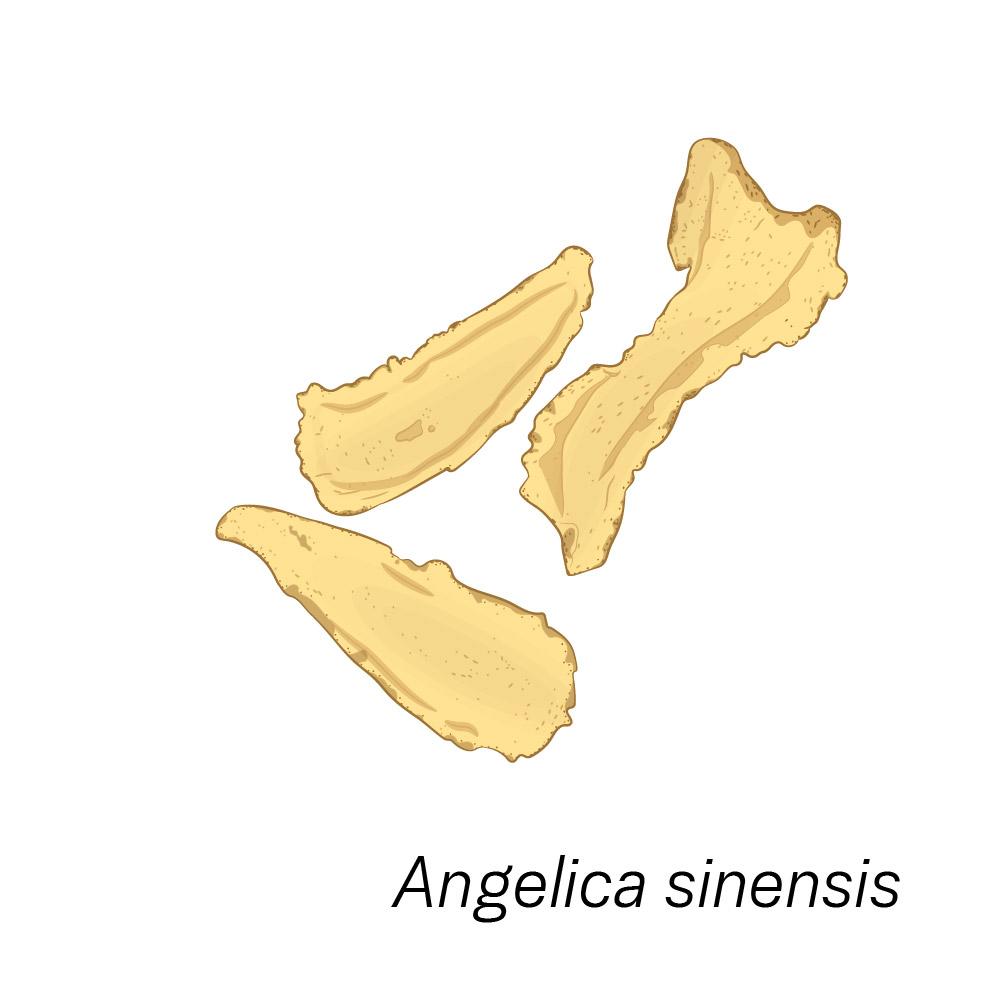
- 1.75 ounces Angelica sinensis (sliced)
- 10 fluid ounces water
- 2 to 3 tablespoons honey (to taste)
- Combine Polygonatum root and Angelica sinensis with water.
- Simmer gently for 45 to 60 minutes until the liquid is concentrated.
- Strain the liquid, return it to the pot, and add honey.
- Heat gently, stirring continuously, until it thickens into a soft paste.
- Let cool and store refrigerated.
2. Polygonatum Root Decoction
Ingredients- 0.5 ounces Polygonatum root
- 10 fluid ounces water
3. Polygonatum Root and Lean Meat Congee
Ingredients- 0.5 ounces Polygonatum root (sliced)
- 1 ounce lean pork or beef (thinly sliced)
- 1.75 ounces raw japonica rice
- 1 quart water
- Rinse the rice and combine it with water in a pot.
- Bring to a boil, then reduce heat and simmer for 30 minutes, stirring occasionally.
- Add Polygonatum root and meat.
- Continue simmering another 20 to 30 minutes until the rice breaks down and the mixture thickens into a porridge-like consistency.
4. Polygonatum Root and Honey Tea
Ingredients- 1 ounce Polygonatum root
- 2 tablespoons honey
- 2.5 cups water
- Simmer Polygonatum root in water for 30 minutes.
- Strain the liquid.
- Stir in honey until fully dissolved.
From ancient survival food to modern functional therapy, Polygonatum root bridges tradition and science. When used appropriately and consistently, it provides a gentle means of supporting energy, resilience, and healthy aging—one reason it has remained valued for more than two millennia.