Exercises for Joint Health
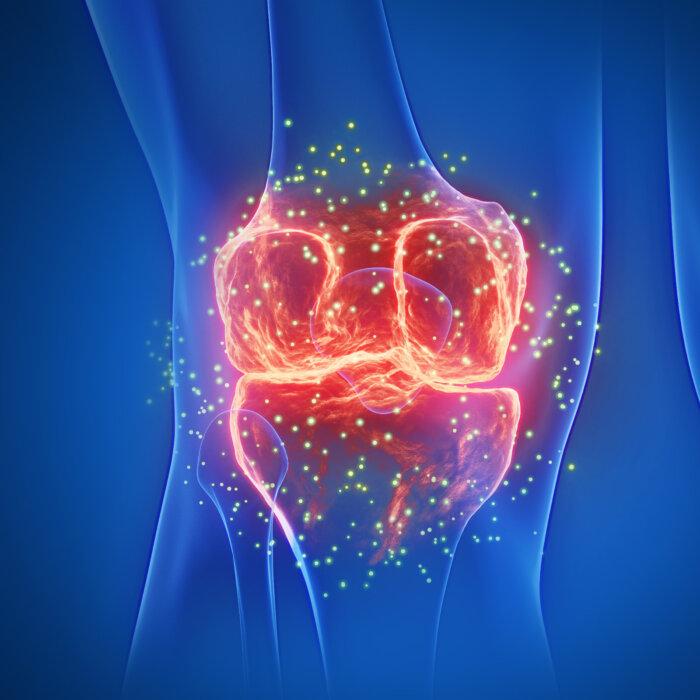
Some individuals who experience joint pain or are wearing a cast due to a leg injury may be hesitant to move. However, reduced movement can actually lead to muscle atrophy, causing joints to stiffen and become prone to fascial adhesion. Once adhesions form within a joint, restoring mobility can become challenging. Conversely, increased joint movement enhances agility and promotes healthier knees.Engaging in exercises is essential for maintaining joint flexibility and muscle strength. Physical activity promotes blood circulation and enhances the flow of synovial fluid within the joints, thereby supplying the joints with increased oxygen and nutrients.
1. Sit-to-Stand Exercise
Instructions:Find a sturdy chair and sit on it. Keep your body upright, and extend your arms forward. Then, stand up and sit back down, repeating 12 times. As your muscle strength progressively improves with ongoing training, you can double or even triple the number of repetitions, aiming for 24 or 36 times. Remember to progress gradually without overexerting yourself.
2. The Towel Exercise
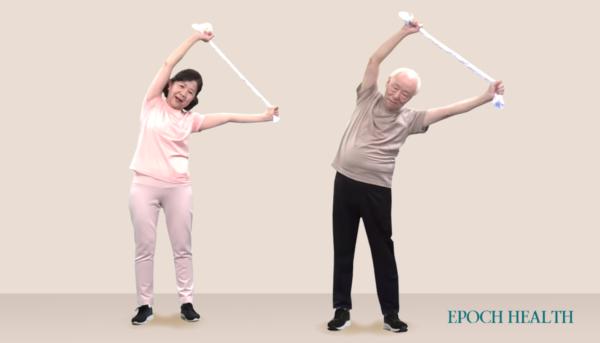
Instructions:- Hold a towel in your hands and twist it into a long strip.
- Grasp the ends of the towel firmly with both hands. Start by lifting your arms from the front of your legs. Extend your arms before your chest and then raise them over your head. Bend your arms to the right side and return to the starting position. Continue by bending them to the left side and returning to the top. Gently lean your body backward and then bring your arms back up. Finally, lower your arms to the front of your chest again and return to the starting position at the front of your legs. Hold each position for approximately 10 seconds. Repeat this sequence three times.
- For optimal results, perform this exercise every morning upon waking up or before sleeping at night.
- Promotes blood circulation.
- Relieves muscle stiffness and fascial adhesions.
- Maintains body flexibility.
- Eases back, shoulder, and neck soreness.

3. Cross-Legged Meditation for Joint Restoration
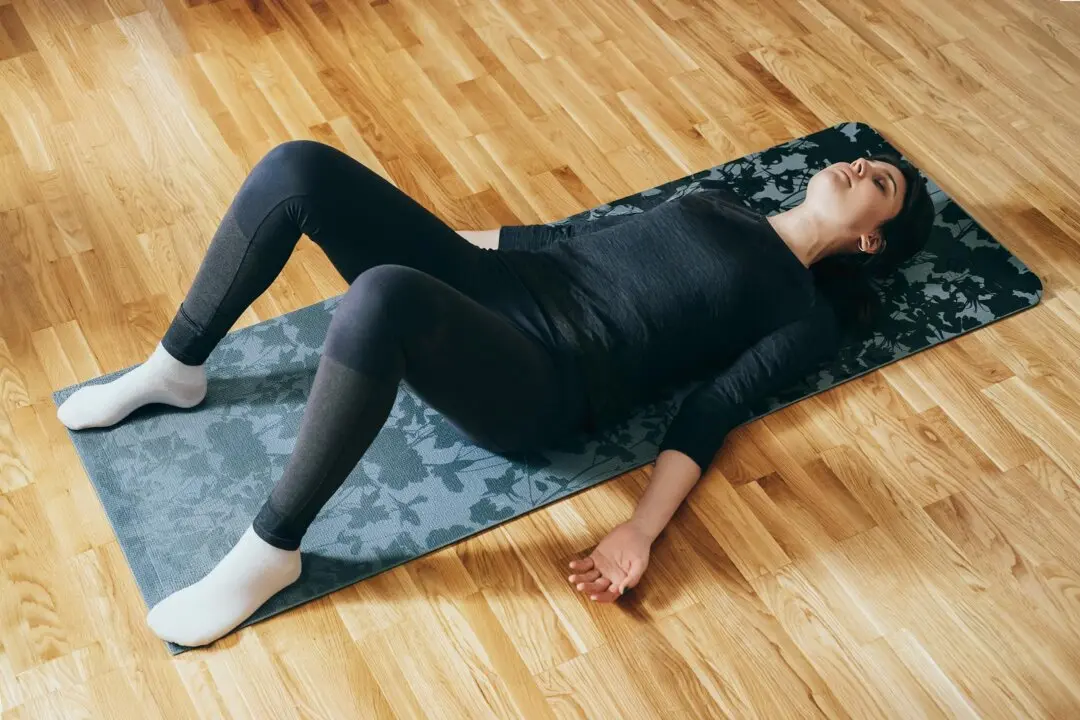
Meditation is an excellent restorative practice that is particularly beneficial for the health of the knees and legs.While meditating in a cross-legged posture, you may experience some numbness and soreness. However, upon concluding the session, blood circulation will quickly flow down to your lower body, offering significant relief to your joints and muscles.
2 Massage Techniques for Pain Relief
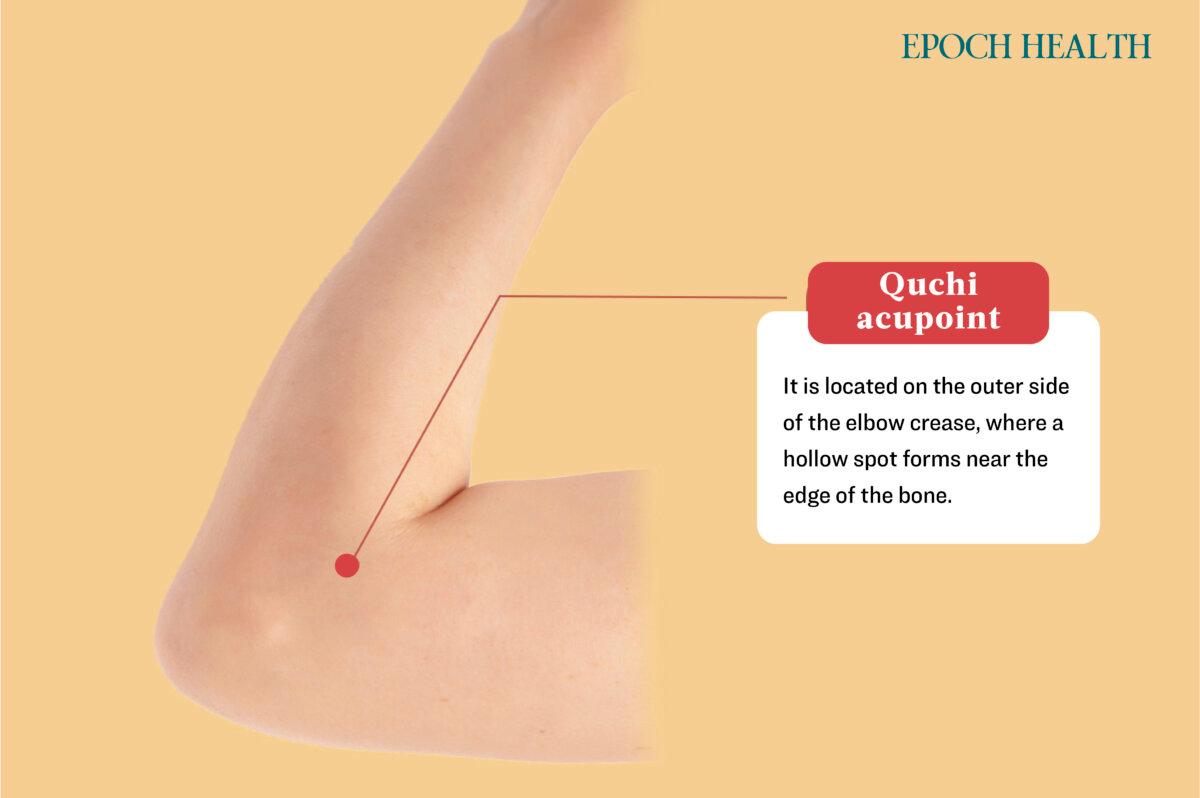
Massage can alleviate joint pain and muscle stiffness while enhancing joint flexibility. Below are some techniques for massaging acupoints and tendons.1. Press on the Quchi Acupoint
A sedentary lifestyle, improper sitting postures, or an imbalanced diet can easily lead to muscle weakness and uneven stress on joints. Consequently, this can result in joint wear and tear, misalignment, dislocation, and knee pain.According to TCM, meridians are the channels through which energy flows in the human body. They are responsible for transporting qi and blood throughout the body, the fundamental substances that constitute and sustain human life. The body consists of 12 major meridians, each corresponding to a specific organ. The internal organs are connected to the body’s surface through these meridians. Along the meridians, there are particular points known as acupoints, which possess unique functions. By stimulating the corresponding acupoints through techniques like acupuncture and massage, it is possible to treat diseases related to specific organs.
2. Massaging the Leg Tendon
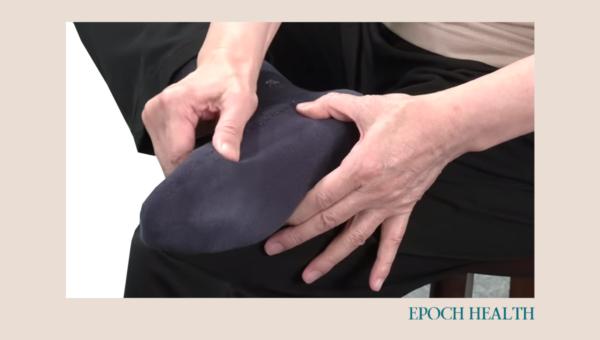
Many people experience foot pain while walking. Consistently massaging and applying pressure to the leg tendon can help improve blood circulation, warm up the body, and make walking progressively more comfortable and relaxed.This tendon runs along the foot’s inner side, from the base of the big toe to the heel, governing the body’s musculoskeletal system. When this tendon is in good health, it positively influences the well-being of other tendons and muscles.
You can use your hands to knead and massage this tendon or employ a small massage roller stick to roll along it. Alternatively, hold the ends of the massage tool with both hands and gently scrape and massage the foot back and forth. Do this for about five minutes per session.
A Diet to Strengthen Your Muscles and Bones
In addition to calcium supplementation, adequate magnesium intake is essential for maintaining strong bones and joints. Magnesium is a vital nutritional element that contributes to stabilizing bone structure. Insufficient magnesium can lead to fragile bones that struggle to bear the body’s weight or external pressures. Foods rich in magnesium include pumpkin and spinach. Pumpkin seeds, in particular, are high in magnesium content and should be included more in our diet.Additionally, incorporating collagen-rich foods, such as pork trotter, snow fungus, and black fungus, into your diet can promote joint health. An alternative approach for individuals concerned about high cholesterol is making “pork trotters jelly.” To prepare this dish, simmer pig’s trotters to create a nourishing broth that, when refrigerated, transforms into a jelly-like consistency.
At the same time, limiting the intake of foods that could potentially affect joint health, such as fish skin, organ meats, straw mushrooms, asparagus, bananas, and more, is advisable.