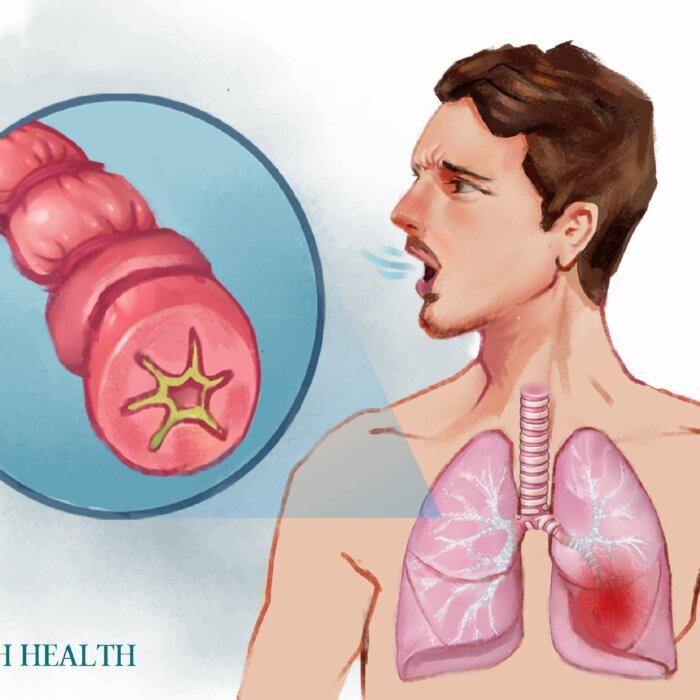
Every time the seasons change, many parents worry whether their children’s persistent cough or wheezing is simply a cold or a sign of something more serious. Childhood asthma is often mistaken for a common respiratory infection, leading to delayed treatment.
The Myth That Children Outgrow Asthma
Many parents misunderstand the real nature of asthma, believing that children “won’t wheeze as they grow up,” Lin said. A study published in JAMA Pediatrics tracked more than 30,000 children diagnosed with asthma before age 6. Nearly half of the children experienced remission by age 12, but some cases persisted or worsened. The study found that children hospitalized for asthma in their first year after diagnosis had a three times higher risk of persistent asthma by age 12 compared to other children.Lin noted that many parents mistakenly believe a child has outgrown asthma if wheezing or attacks become less frequent. However, the absence of symptoms does not necessarily mean the disease is gone. Asthma is a chronic condition, and periods without noticeable symptoms may simply indicate that it is well-controlled rather than resolved.
Environmental Control Matters
Daily environmental management is key to controlling asthma. “The first step in asthma care is avoiding allergens,” Lin said, noting that common triggers include mold and dust mites.Using Inhaled Medications Correctly Is Key
Asthma treatment has shifted from traditional oral medications to inhaled steroids with fewer side effects. Lin noted that many parents worry about steroid-related effects such as moon face or a dorsocervical fat pad, but inhaled medications largely avoid these concerns because they are delivered locally rather than throughout the body.However, proper technique is essential, he said. Many patients don’t actually inhale the medication into their lungs, which can reduce its effectiveness.

- Exhale: Bend forward slightly and exhale as much air as possible from your lungs.
- Inhale: Hold the inhaler in your mouth and lift your upper body as you inhale deeply, keeping yourself upright to ensure the medication reaches your lungs.
- Hold Your Breath: Hold your breath for about 10 seconds after inhalation to allow the medication to settle in the airways.
- Rinse Your Mouth: Rinse your mouth after use to reduce medication residue in the oral cavity, which can cause fungal infections.
Children With Asthma Can Exercise
Many parents worry that exercise will trigger asthma, therefore prohibiting their children from exercising or limiting their activity levels. However, Lin noted that moderate exercise can actually help improve respiratory function and overall fitness. He recommends jogging, cycling, and swimming as three relatively gentle forms of exercise.For children who swim, he advises choosing warm water pools and avoiding heavily chlorinated pools to prevent damage to the trachea.
First Aid for Severe Attacks
Children with severe allergies or those whose physician has prescribed one, an adrenaline auto-injector can be lifesaving during a severe allergic reaction that affects breathing, Lin said. Adrenaline quickly opens up the airways and helps relieve breathing difficulties.While asthma may not disappear with age, early diagnosis and proper treatment can help keep symptoms under control. With the right management plan, most children with asthma can stay active and enjoy a normal, healthy quality of life.