Microplastics: Most Abundant in Our Brains
Microplastics are silently invading our bodies—especially our brains—through our daily diets.“Once too much of it accumulates in the brain, the risk of dementia will increase,” Zhao Mingwei, a certified toxicologist, said during a recent appearance on the “Health 1+1” program on NTD, a sister outlet of The Epoch Times.
How to Reduce Risk From Seafood
Zhao said because of environmental pollution, seafood has become increasingly contaminated. Nearshore fish, clams, and other crustaceans—such as crabs and shrimp—are prone to accumulate microplastics. In addition, through the food chain, large fish can accumulate more microplastics and heavy metals by eating smaller fish. If you eat contaminated large fish, you may also ingest these toxic substances. Zhao recommends the following when eating fish:
Microplastics in Health Products
Zhao said health supplements are also a source of microplastics, especially those in capsule form. Many middle-aged and older people regularly take multiple health products, including vitamins A, C, and D; calcium tablets; enzymes; and probiotics. If these products are in capsule form, a large amount of microplastics could be ingested.Safe Ways to Take Health Supplements
To safely take health supplements, Zhao recommends:- Avoid Supplements in Capsule Form: Prioritizing original forms, such as powder, may reduce microplastic intake.
- Limit the Number of Health Supplements Taken Simultaneously: Limiting the number of supplement capsules taken at once may reduce intake of microplastics or plasticizers.
- Choose Supplements From Reputable, Certified Sources: Choosing products with government-certified symbols, such as Good Manufacturing Practices or International Organization for Standardization, may help ensure product safety.
Ultra-Processed Foods Harm Brain Function
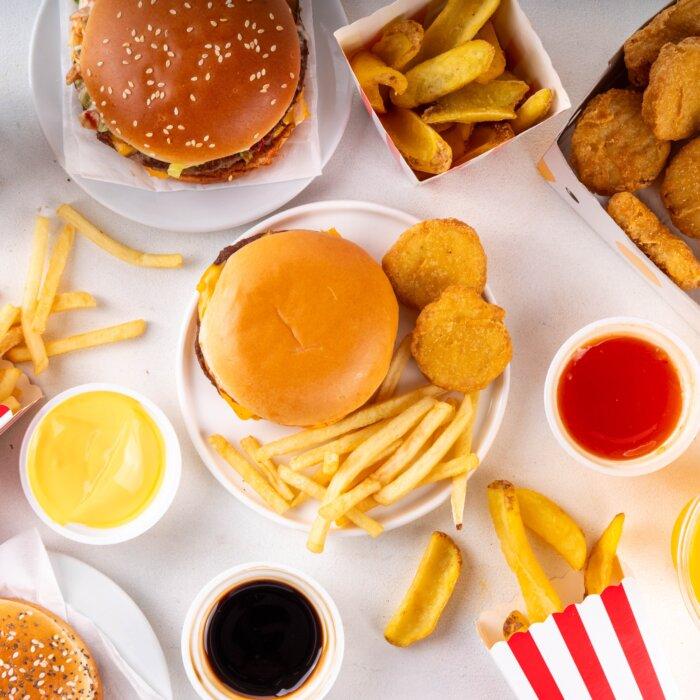
A study published in JAMA Neurology found that eating too much ultra-processed food accelerates cognitive decline. Zhao noted that many ultra-processed foods have been so extensively altered that consumers no longer know their true origins.For example, many people think that jam is made from strawberries or grapes, but it may actually be derived from corn. Similarly, popular plant-based meats may look and taste like meat, but they are not made from animal products.
Ultra-processed foods are highly refined, which alters their original chemical structure. Because of complex processing, toxins may be produced at any stage, and these modified ingredients may increase the risk of cardiovascular disease, dementia, and premature death.
How a Healthy Diet Supports Detoxification
Can the body excrete accumulated toxins? Zhao said that depends on the type. Water-soluble toxins can often be flushed out by drinking more water. However, fat-soluble toxins are quickly absorbed by organs and the brain, making them harder to metabolize.He suggested eating more fresh vegetables and fruits. A healthy diet provides antioxidants, which help strengthen immunity and combat toxins. Exercise also boosts blood circulation, aiding in toxin metabolism through the kidneys.