If you’ve ever felt like your workouts leave you hungrier than ever or that sugar cravings hit harder after exercising, it might not just be about willpower—it could be your genes.
What Is the FTO Gene?
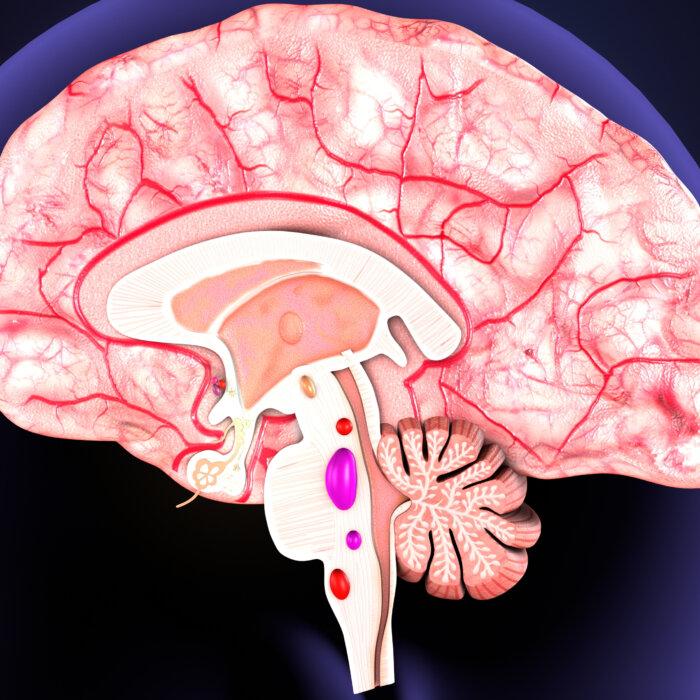
FTO is a nutrient-sensing gene that plays a major role in regulating hunger and energy use. Its highest expression is in the hypothalamus, which is important for appetite control and hormone regulation, and also in fat tissues (adipose cells) and muscles. Recent studies have shown that FTO can control eating behaviors as it responds to satiety signals in the central nervous system.Variations in this gene can influence everything from how much food you crave to how efficiently your muscles recover after exercise. People with the TT variant of FTO face unique challenges. They may start off strong in workouts but develop insulin resistance in their muscles more quickly, especially when consuming high-fat diets.
Why Workouts Can Make You Hungrier
Post-workout hunger is a common experience for many people, but those with certain FTO gene variants often feel it more intensely. The 2023 research on FTO genes explains why:- Sugary Foods Trigger Your Brain’s Reward Center: The FTO gene affects dopamine, a chemical in your brain that makes you feel good. After exercise, sugary foods trigger a stronger dopamine response in people with certain FTO variants, making them harder to resist.
- High-Fat Snacks Worsen Energy Crashes: Consuming high-fat foods after workouts can make things worse for TT carriers by speeding up insulin resistance in their muscles. This creates a cycle of energy highs followed by sharp crashes, leaving them craving more food later on.
- Reduced Satiety Signals: People with FTO variants often produce less leptin, a hormone that helps you feel full. As a result, they may struggle to stop eating sweets or snacks even after consuming enough calories.
Simple Fixes for Post-Workout Cravings
Think of the FTO gene as a “hunger switch” that’s stuck in the “on” position—it keeps signaling your brain to eat even when your body doesn’t need more food. By adopting smart eating habits and targeted exercise routines, you can effectively “rewire” this switch. Breaking the cycle of post-workout hunger starts with smarter choices about what you eat and how you exercise:Instead of reaching for sugary snacks such as candy bars and sports drinks, opt for complex carbohydrates such as sweet potatoes and quinoa. These foods digest slowly and keep blood sugar levels steady, preventing energy crashes later on.

Protein-rich foods such as salmon, meat, eggs, and Greek yogurt can help repair muscle tissue while keeping you full longer. Aim for 20 to 40 grams of protein within 30 minutes after exercising to maximize recovery without triggering cravings.
High-intensity interval training is particularly effective for people with the TT variant of the FTO gene because shorter workouts prevent excessive energy depletion while still delivering results.
If sugar cravings strike after exercising, try healthier options such as dark chocolate and berry smoothies instead of processed sweets. Dark chocolate contains polyphenols that curb hunger while providing antioxidants for recovery.
Enjoy colorful foods in their natural form, such as berries, salmon, and leafy greens, that are rich in nutrients that reduce inflammation and support muscle recovery. They also help regulate hunger hormones such as ghrelin and leptin, making it easier to control cravings after workouts.
Genes Aren’t Destiny: Taking Control
While the FTO gene may make managing post-workout hunger more challenging, it doesn’t have to derail your fitness goals. By making smarter choices about what you eat and how you exercise, you can outsmart FTO and turn genetic challenges into strengths.Small but consistent changes—such as swapping high-fat snacks for slow-digesting carbs and opting for shorter workouts—can make a big difference.
Your genes might set the stage for how your body responds to food and exercise, but ultimately, it’s your habits that write the script.