Hair health reflects overall physical well-being. Women often experience hair loss due to various causes, including postpartum recovery, menopause, alopecia areata, or scalp issues such as itchiness and dandruff, exacerbated by summer heat. Traditional Chinese medicine (TCM) offers a holistic approach, emphasizing a blend of targeted dietary supplements, meticulous scalp care, and proper hair-washing techniques to reduce hair loss effectively.
Exploring Hair Loss Causes With TCM
From the perspective of TCM, the liver and kidneys are closely related to hair health as they play a vital role in the internal organ-centered energy system.The liver governs the flow of energy or “qi” throughout the body, and this energy drives blood circulation. When the blood supply is sufficient, it nourishes the hair.
The kidneys store essential substances—often referred to as “jing”—which determine the processes of growth and aging in the body. A deficiency in kidney jing can lead to hair turning white or becoming thin.
Therefore, TCM treats hair loss with herbal remedies that strengthen and nourish the liver and kidneys.
Postpartum Hair Loss Due to Blood Deficiency
Chen shared two case studies of women’s hair loss after childbirth.

A woman in her early 30s suffered significant hair loss one to two months postpartum, with evident thinning at the forehead and brittle, fragile hair. This kind of hair loss is attributed to postpartum blood deficiency, worsened by emotional stress from childcare, which impairs digestive function, reduces nutrient absorption, and further aggravates the deficiency.
Chen administered bloodletting therapy, using fine needles to release small amounts of blood in areas of thinning hair, stimulating scalp regeneration by breaking down and rebuilding tissue. This treatment was combined with a low-level energy laser cap to enhance blood circulation at the base of the scalp, promoting the repair of the scalp and hair follicles.
The patient also took Chinese herbal medicine to balance her constitution, resulting in dense hair regrowth on her forehead and crown after eight months.
Another postpartum hair loss patient also presented with alopecia areata, characterized by a large bald patch on the crown of the head. Chen’s treatment combined bloodletting therapy to stimulate the affected area with oral administration of “Bupleurum Spreading Decoction (Chai Hu Shu Gan Tang)” to soothe the liver and regulate qi.
Foods Beneficial for Postpartum Recovery
Chen warns that some women diet to lose weight after childbirth, which can worsen hair loss.- Protein: Eggs, tofu, meat, milk, or soy milk
- Vitamin C: Fruits such as guava, kiwi, or berries
- Vitamin B: Whole grains, dark green vegetables, meat, or liver
- Iron: Red meat, liver, black sesame seeds, or dark green vegetables
Treatment for Menopausal Hair Loss in Women
In addition to postpartum hair loss, menopause is another peak period for hair loss in women.
For example, Chen said he had treated a woman in her 50s whose hairline and crown had seriously widened, exposing a yellowish scalp beneath.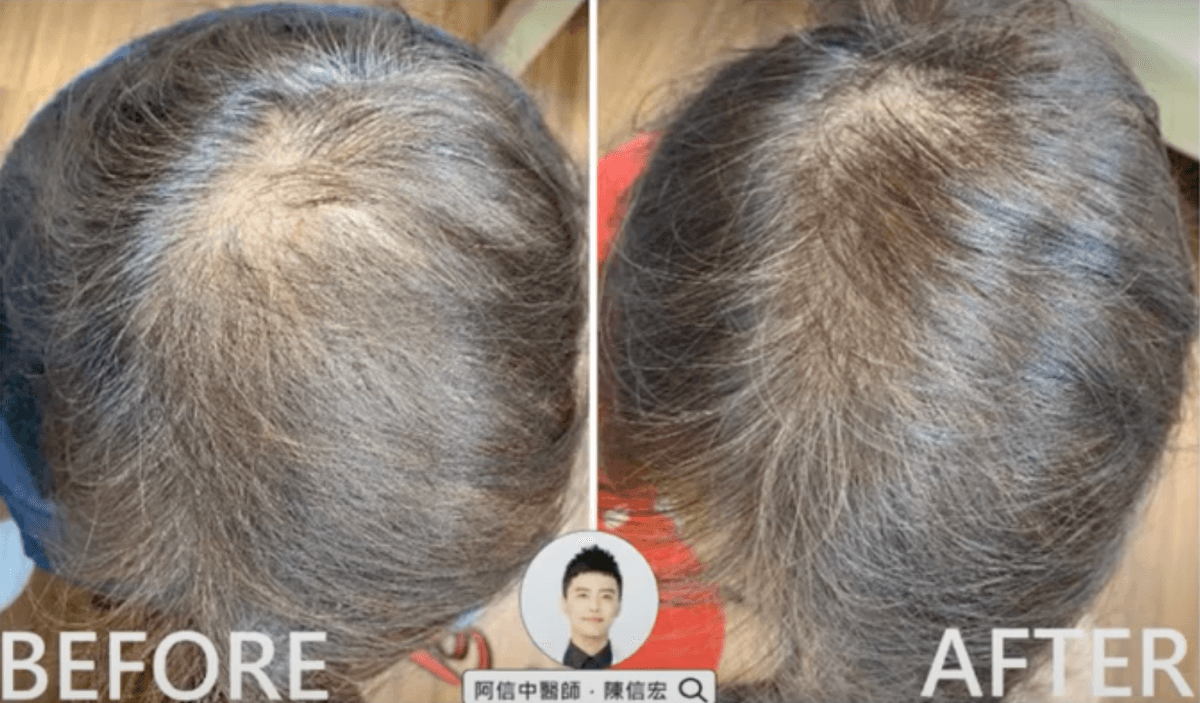
After assessing her condition and analyzing her pulse and tongue signs, he identified symptoms of liver blood deficiency, kidney meridian insufficiency, and menopausal female pattern hair loss.
Dr. Chen prescribed “Erzhi Pill,” a classic traditional Chinese medicine formula to nourish the liver and kidneys, combined with “Anemarrhen Rehmannia Eight Formula (Zhi Bai Di Huang Wan)” to regulate hormones.
After six to eight months of treatment, the patient experienced a marked improvement in hair loss.
8 Daily Scalp Care Essentials
Besides nourishing the liver and kidneys to provide sufficient nutrients for hair, it’s crucial to recognize that the scalp is the foundation of hair—much like soil for nurturing plants.1. Timely Cleaning
First, pay attention to scalp hygiene, especially in summer. A greasy, dirty scalp can easily harbor bacteria. “Bacteria thrive on our scalp’s oil, dirt, and sebum,” said Chen.2. Choose Shampoo Wisely
When selecting a shampoo, choose one suited to your constitution and scalp condition. For those who sweat a lot, opt for a highly cleansing shampoo with moisturizing properties to prevent scalp sensitivity.3. Hair-Washing Technique
For applying shampoo, Chen recommends starting from the sides, then the back, and finally the crown, as the hair on the sides and back is more resistant to irritation, reducing potential damage even with stronger shampoos.4. Apply Hair Tonic to Nourish the Scalp
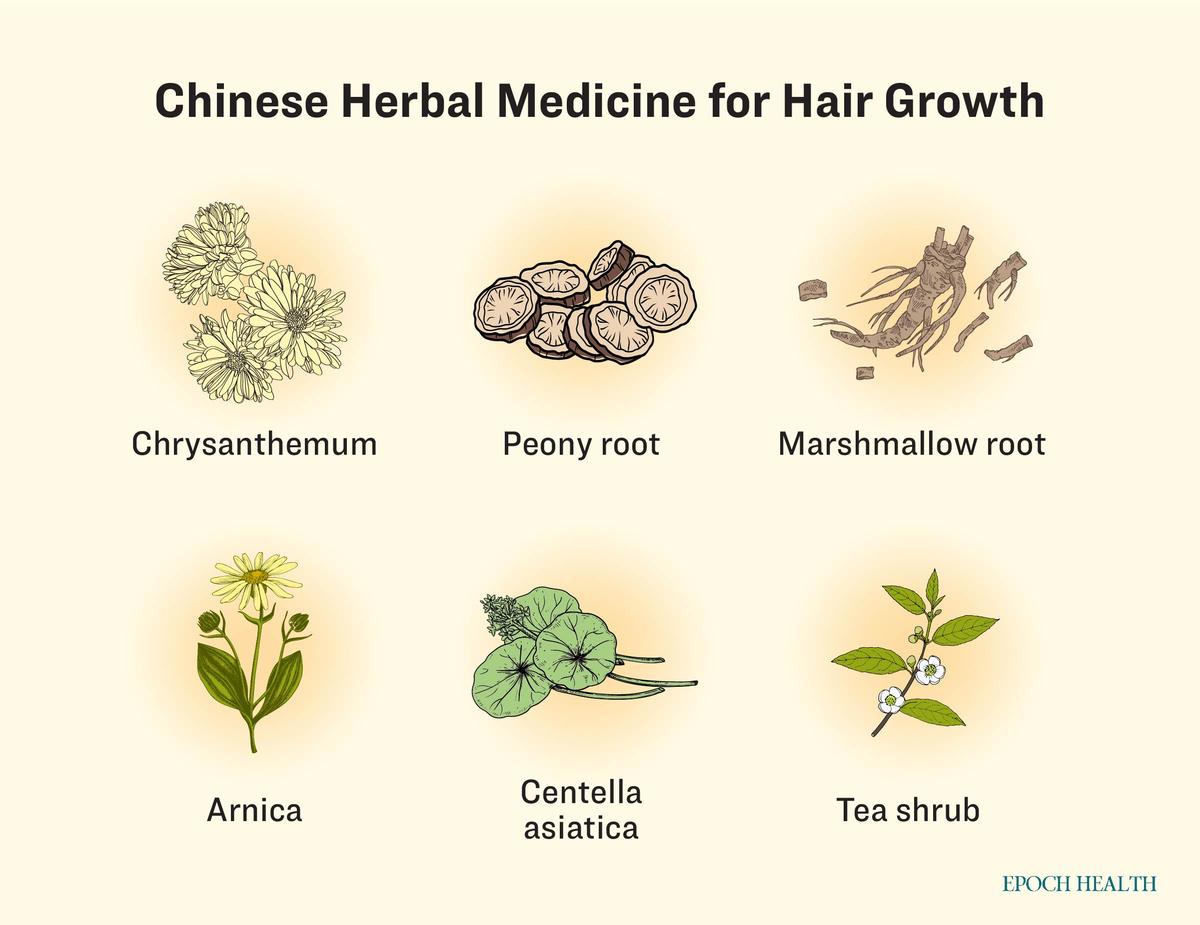
After washing, blow-dry the hair until it’s about 50 percent dry, then apply a hair tonic, treating the scalp like a facial mask. Chen suggests choosing products containing Serenoa repens, also known as saw palmetto, a small palm plant whose fruit extract is widely used medicinally. Studies have shown Serenoa repens can promote hair regrowth.Other beneficial ingredients include chrysanthemum, peony root, marshmallow root, arnica, Centella asiatica, and tea shrub.
5. Avoid Excessive Heat When Blow-Drying
When blow-drying hair, use a warm, gentle airflow and start from the hair ends, gradually moving to the roots. This reduces damage to the hair during the process.6. Protect Against Sun Exposure
When going out, protect your scalp from sun exposure to prevent damage. If wearing a hat, choose one with good breathability, such as those made of cotton, linen, or silk, to keep the scalp well-ventilated.7. Prevent Scalp Infections During Summer
Frequent scalp itching can tempt some people to scratch, which may lead to hair loss. To address this, it’s essential not only to change your scalp care products but also to regularly replace items that come into contact with your scalp, such as helmet liners and pillowcases, to reduce the risk of infection.A young engineer in his 20s, who wore a helmet daily for commuting, experienced noticeable scalp exposure at the crown during the hot summer—resembling a distinct “typhoon eye.” His hair appeared oily and clumped together in strands.
Chen suggests that treatment involved using “heat-clearing” Chinese herbs to reduce scalp inflammation, alongside regularly replacing the helmet liner to prevent it from becoming a breeding ground for bacteria and viruses.
For summer wellness, Chen recommends staying well-hydrated and incorporating ingredients such as mung beans, coix seeds (also known as Job’s tears), Chinese yam, white hyacinth beans, and pears into your diet.
8. Massage the Scalp
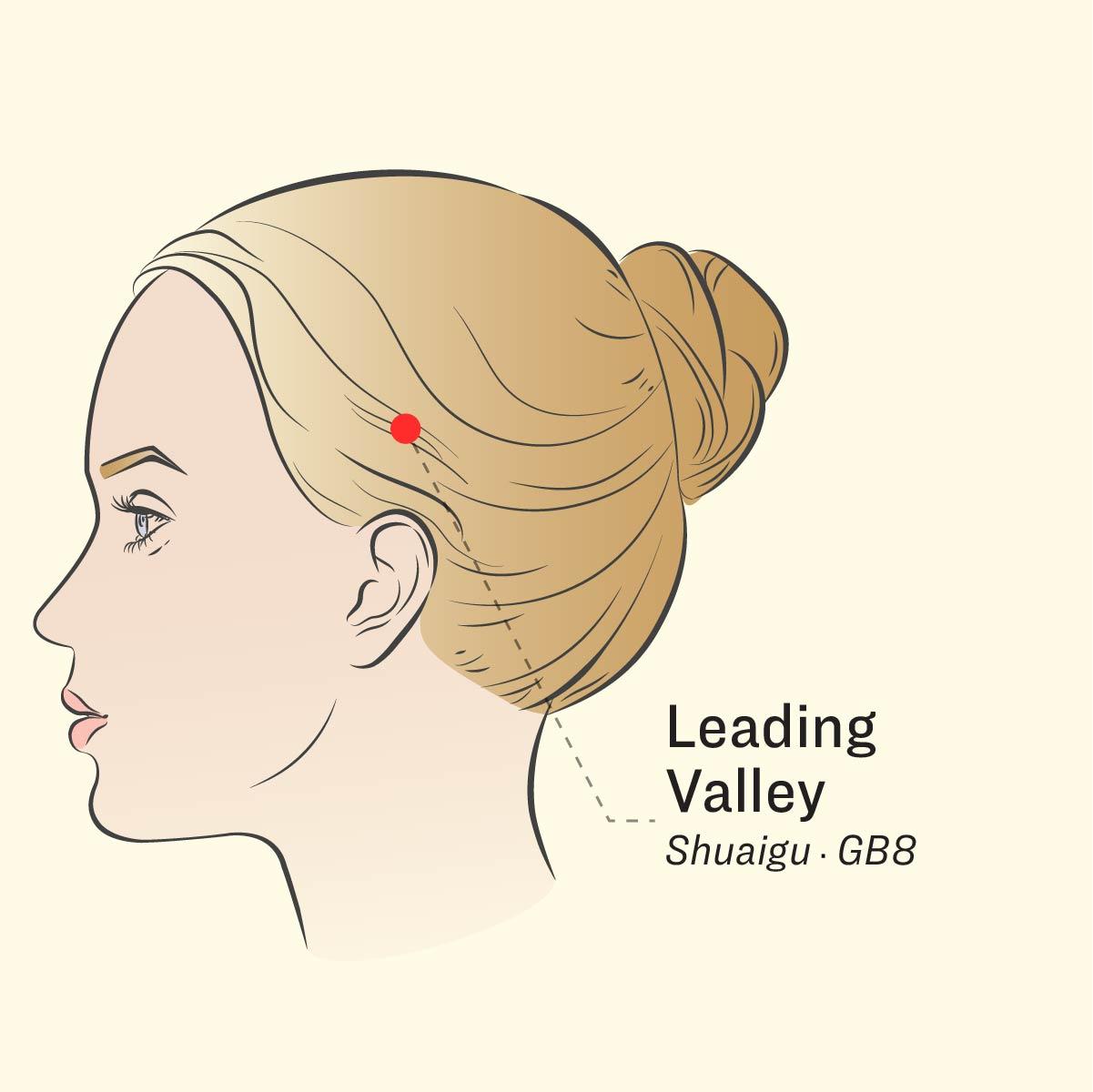
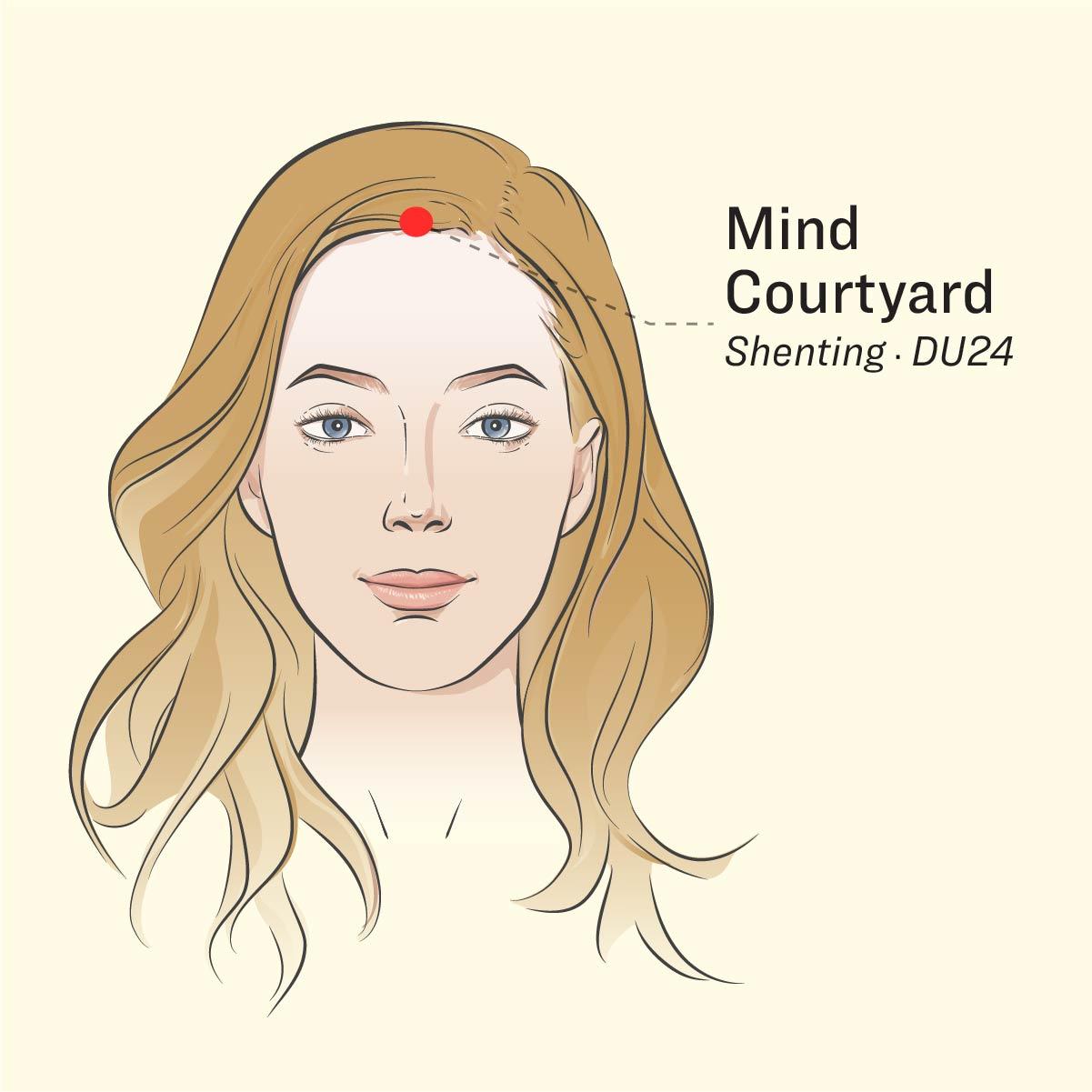
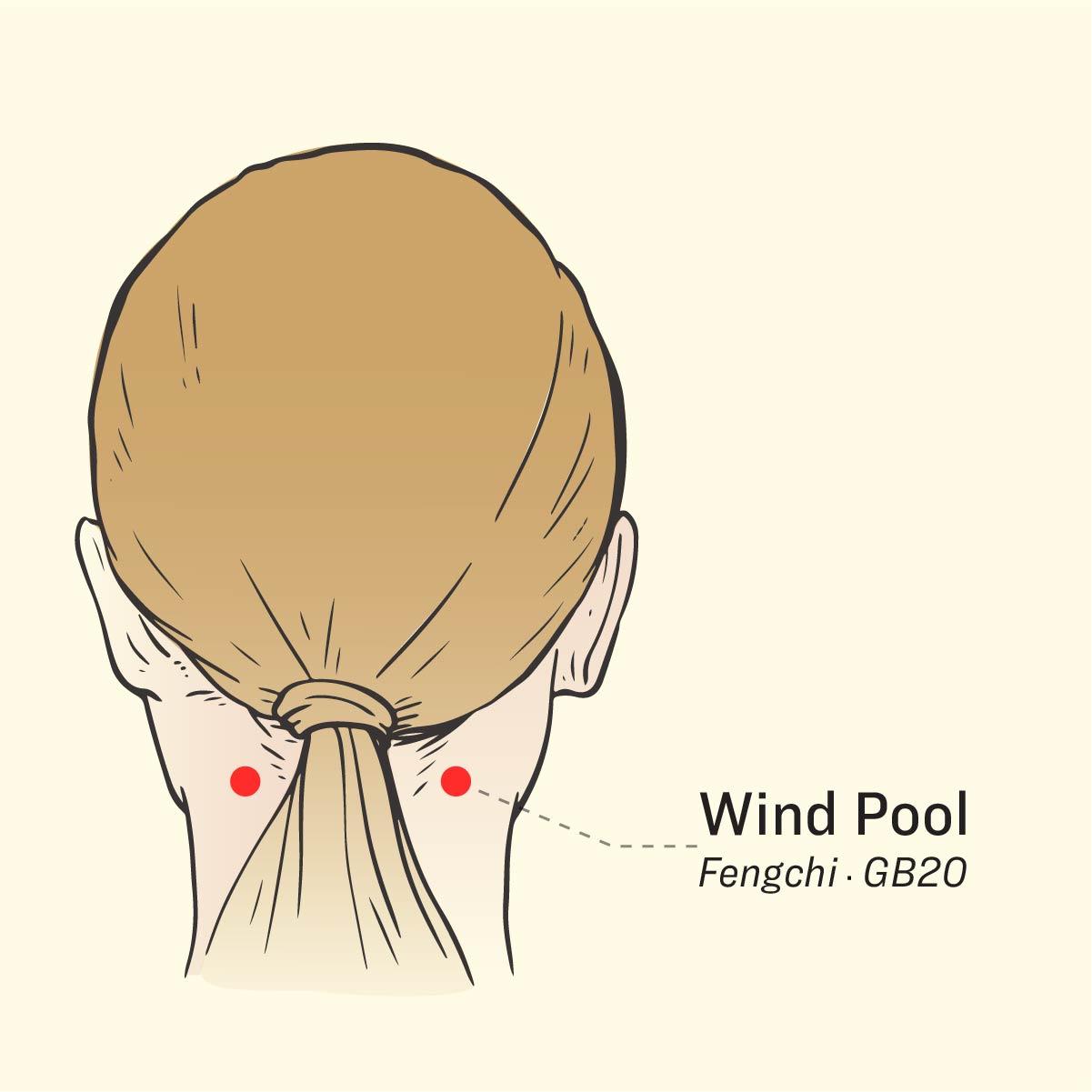
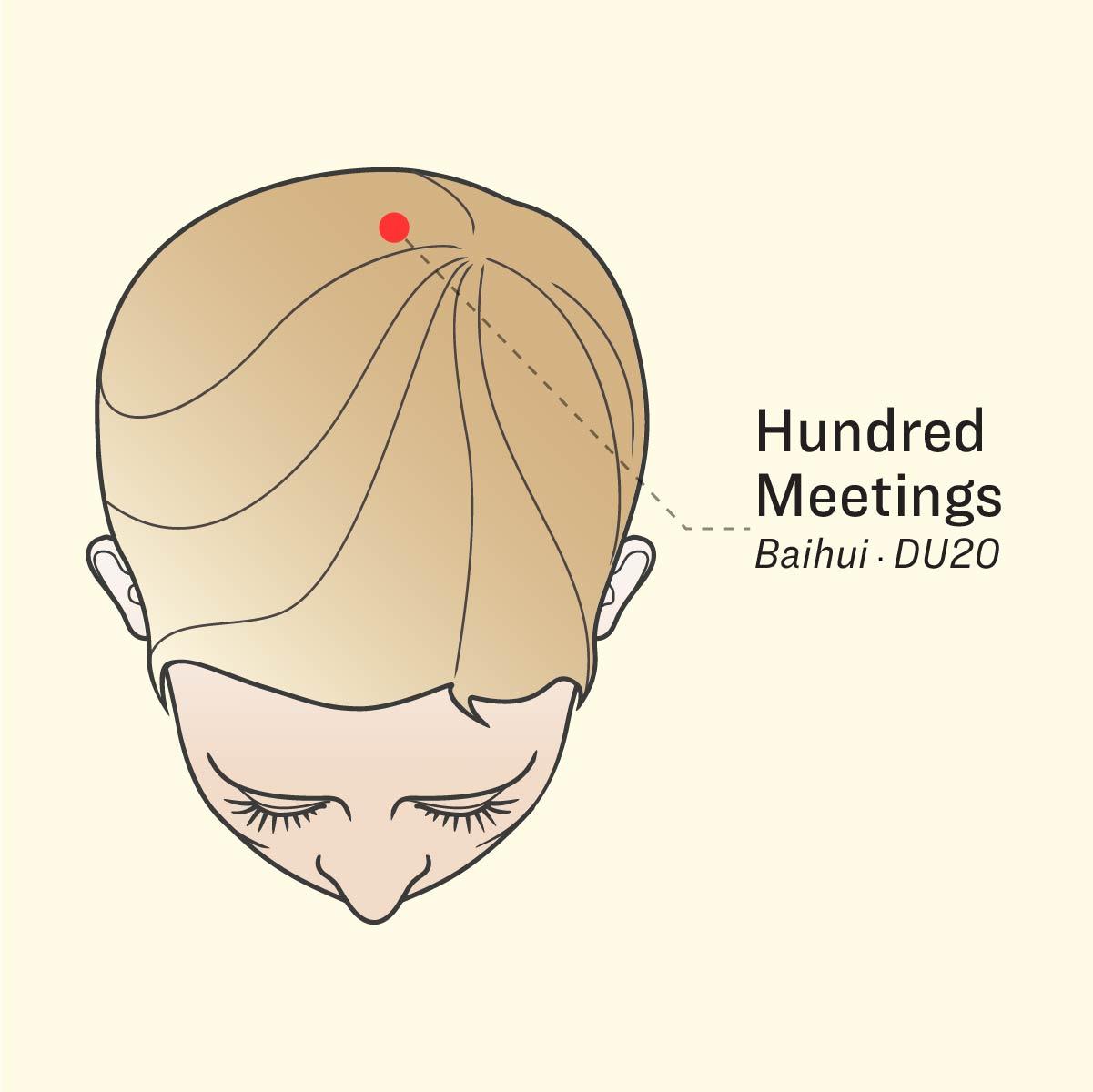
Chen recommends massaging acupressure points on the head—such as baihui, fengchi, shenting, and shuaigu—while blow-drying your hair. This practice helps relax the scalp and promotes healthy blood circulation.