



Have you ever wondered why colds and other respiratory infections are four times more common during winter than summer? Cold weather is mostly to blame - viruses can survive longer outside the body when temperatures are reduced, surviving on door handles, tissues and other surfaces for at least 24 hours. Inhaling cold air reduces immune responses within the nasal lining. Lack of sunshine lowers your levels of vitamin D, which also impairs immunity and, of course, we spend more time cooped up together indoors so that infections can spread.
Exposure to cold viruses doesn’t mean you have to succumb, however. If your immune system is working at peak performance, you can shrug off the hundred plus viruses that cause the common cold without developing significant symptoms.
Eat Well

Kaboompics/Karolina/Pexels
A nutritious diet supplies vitamins, minerals and antioxidants that are needed for white blood cells to tackle invading bacteria and viruses. Now is not the time to skimp on your five-a-day fruit and veg.
If you don’t eat much, or any, meat, it’s important to ensure you are not lacking in iron. Iron deficiency is common and, as it is needed by white blood cells for their microbe-killing immune responses, this can increase your susceptibility to colds.
Shiitake mushrooms are widely recommended to boost immunity, and research has shown they contain a substance, lentinan, that stimulates the anti-viral activity of white blood cells.
Opt for Yoghurt

Joe Raedle/Getty Images
Eating a small carton of Bio yoghurt or taking a probiotic supplement every day helps to boost immunity. Probiotic bacteria stimulate immune cells in the gut to increase production of IgA antibodies – the type that lie in wait on the lining of the gut and respiratory tract to guard against infections. Probiotic bacteria also secrete natural antibiotics (bacteriocins such as acidophiline and bulgarican) and stimulate production of interferon, a natural anti-viral substance produced by some immune cells.
Vitamin D Is Key
Lack of vitamin D is increasingly recognised as a driver for experiencing cold symptoms during winter months when there is too little UV light to trigger its synthesis in the skin. Research involving over 19,000 adults has shown that having a low vitamin D level increases your risk of developing a common cold by36% compared to those with optimum levels. Supplements are worth considering at this time of year.See Off Colds With Vitamin C
Vitamin C is one of the most powerful immune-boosting nutrients found naturally in fruit and vegetables. It has antiviral actions that suppress the copying of viral genes so symptoms are less likely to develop. Studies involving school children and students have found that vitamin C can reduce the risk of catching a cold by as much as 30%. Doses used in trials are in the region of 600mg to 1g daily however, which is more than usually supplied in the diet. Vitamin C supplements are widely available.Immune Supporters
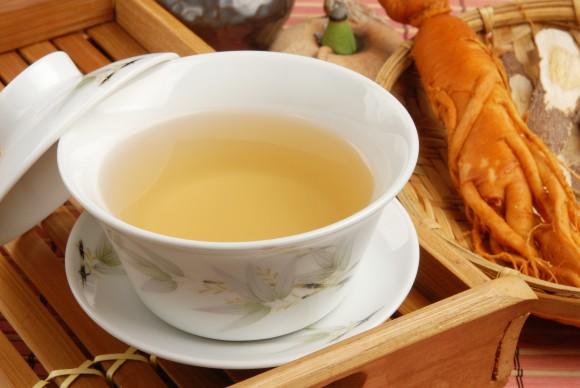
Siberian ginseng is a powerful immune stimulant 54613/Shutterstock
Several herbal medicines are effective at preventing and treating the common cold.
Elderberry extracts contain natural antiviral substances that reduce the severity and duration of respiratory infections, including influenza. This is one reason why elderberry jam and wine were popular home remedies for centuries. Modern research suggests that, elderberry extracts significantly improve symptoms of ‘flu with complete recovery in 2-3 days compared with 6 days for those not taking elderberry extracts.
Garlic contains a number of antiviral and anti-infective substances that help to fight viruses and bacteria, as well as boosting the activity of immune cells. Black garlic is especially beneficial as it contains higher levels of antioxidants and produces less odour making it more social acceptable in confined spaces!
Propolis is a natural antiseptic produced by honey bees to keep their hive free from infection. It contains bioflavonoids with an antibacterial and antiviral action that help to keep winter infections at bay.
Echinacea is a traditional herbal medicine that increases the number and activity of white blood cells that fight infections. It also boosts production of the body’s own natural anti-viral substance, interferon. Echinacea may be taken in low dose, long-term, to reduce infections, or in a higher dose just when you feel an infection coming on. Follow instructions on packs as different brands vary.
Siberian ginseng is a powerful immune stimulant that works in a similar way to Echinacea. Russian research suggests that those taking it regularly have 40% less colds, ‘flu and other infections, and take a third less days off work due to health problems than those not taking it. Great to get you back on track during convalescence.
Pelargonium is by far the most effective natural treatment if cold symptoms strike. It is more effective than anything I can prescribe as a doctor, and I wouldn’t be without it in my first aid cabinet. Extracts from the root of Pelargonium sidoides – a South African geranium - have antiviral and antibacterial actions and stimulate the clearance of infected mucus. If started as early as possible during a cold, symptoms usually resolve within 24 hours. Keep taking it for 3 days, however, or the infection will return. Pelargonium can be used to treat common colds, sore throat, cough, laryngitis, bronchitis and sinusitis.
For more information read my article: Natural cold remedies that really work.
Top Tips: To help prevent a cold
- Reduce your stress levels
- Don’t let yourself get over tired
- Take regular exercise to stay fit
- Avoid cigarette smoke and smoky atmospheres
- Wash your hands regularly – hygiene is key
- Consider using antiviral hand sprays and antiviral tissues
- Avoid touching your face/eyes/mouth with your hands as this can introduce cold viruses through vulnerable mucous membranes
- Avoid people during the early stages of a cold, especially when they are coughing and sneezing.
- Drink green tea – its antioxidants seem to help protect against viral infections
- Put a few drops of peppermint or tea tree essential oils in a diffuser to scent a room and help keep coughs and colds at bay.
- Think positively – studies show that a positive attitude can boost immunity and reduce your risk of infections.
- Laugh your symptoms away – those who laugh regularly seem to be healthier over all, and have less infections than those eaten up with anger and hostility.
Dr Sarah Brewer is a medical nutritionist, nutritional therapist and the author of over 60 popular health books. Follow her Nutritional Medicine blog at www.DrSarahBrewer.com, her blood pressure advice at www.MyLowerBloodPressure.com and her health product reviews at www.ExpertHealthReviews.com. For nutrition and recipe tweets follow @DrSarahB and for general health and fitness tweets follow @DrSarahBHealthy.


