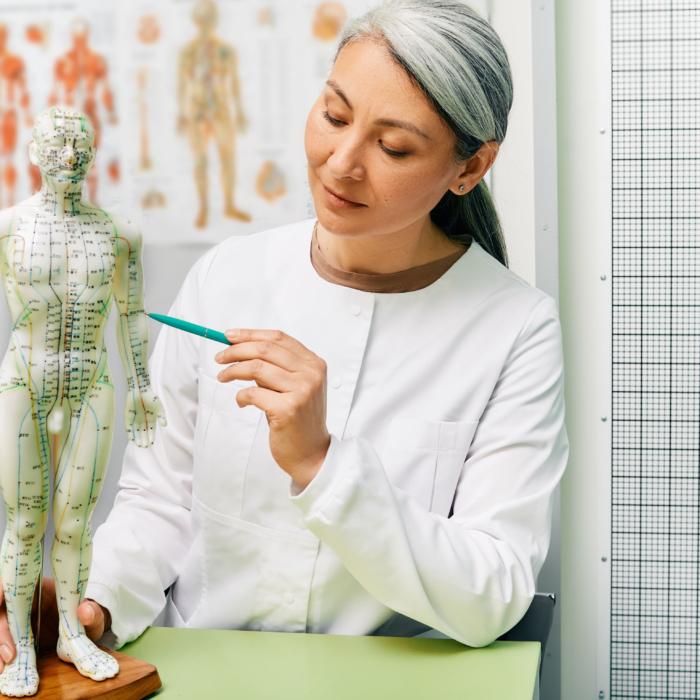
TCM views the feet not simply as a foundation for standing and walking but as a microcosm of the entire body. Each region of the foot corresponds to a major organ, and proper stimulation can help rebalance the body’s internal systems.
Understanding Foot Reflex Zones for Self-Care
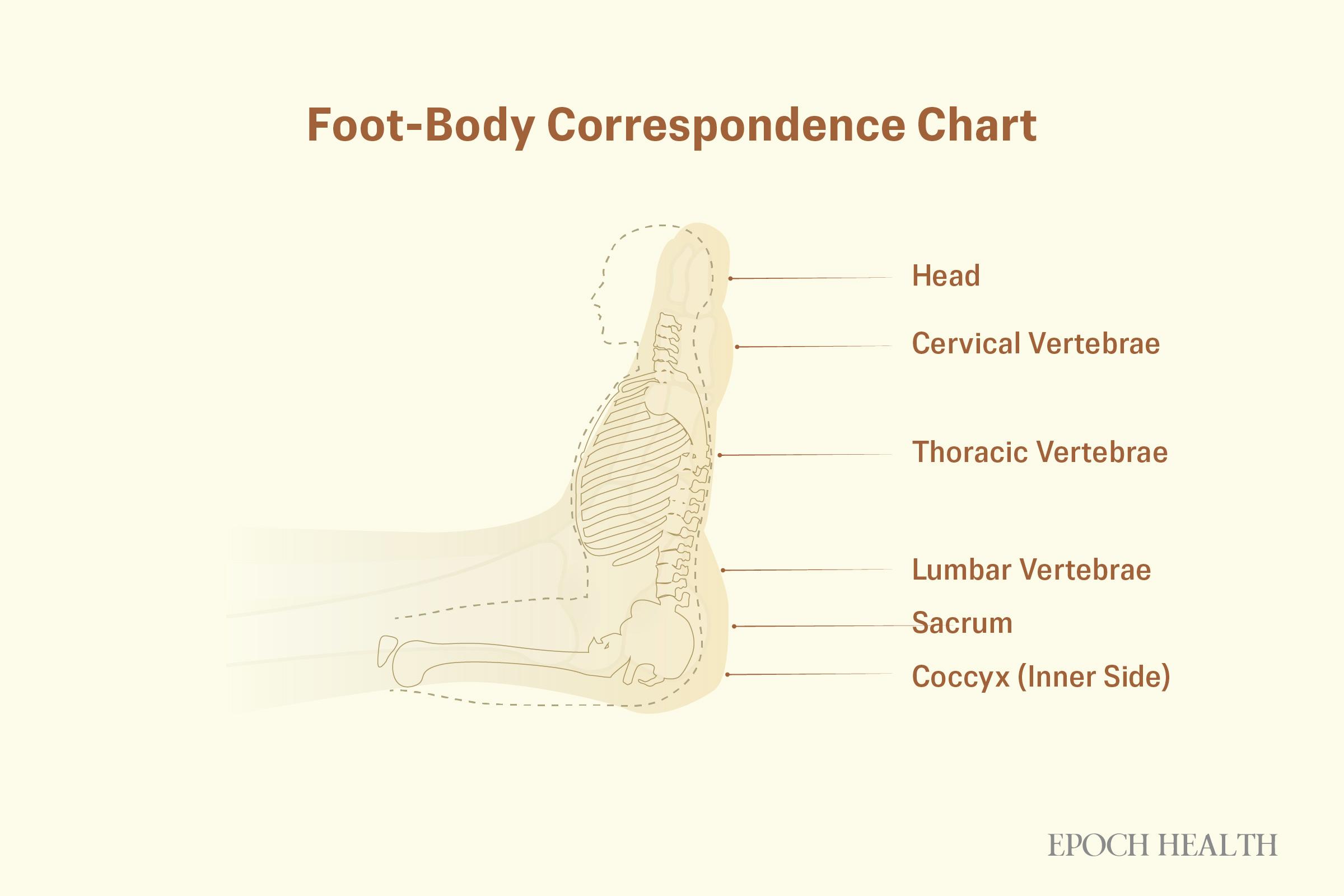
Before practicing foot massage, it is essential to understand the reflex zones on the soles of the feet. The theoretical foundation of this practice lies in the Bio-Holographic Theory, which suggests that these reflex zones correspond to specific body parts and internal organs.The layout of the reflex zones mirrors the body’s anatomy—vertically, horizontally, and from front to back.
Foot reflex zones mirror the body’s left-right symmetry. The left foot corresponds to the organs on the left side of the body, while the right foot reflects those on the right side.
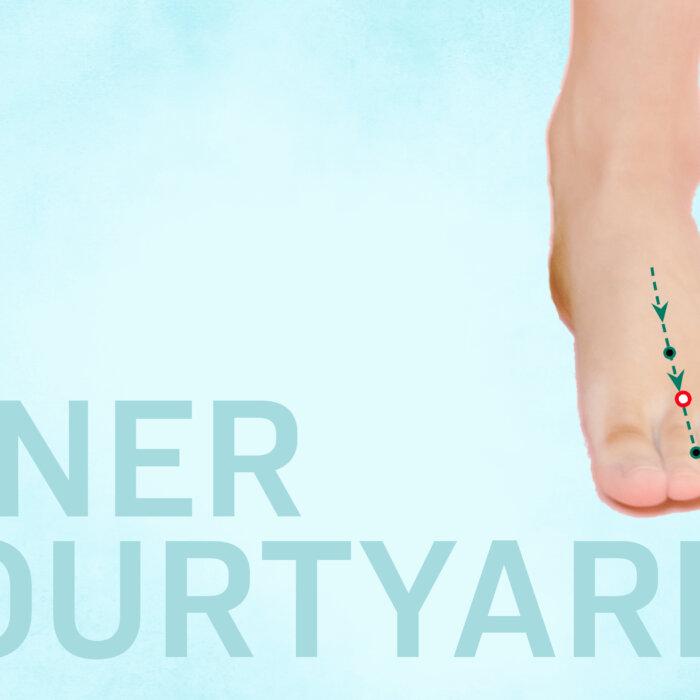
- The head corresponds to the tip of the big toe.
- The cervical vertebrae, or neck region, correspond to the upper segment of the big toe.
- The thoracic vertebrae, or upper and mid-back, correspond to the upper arch area of the inner foot.
- The lumbar vertebrae, or lower back, correspond to the mid-arch area of the inner foot.
- The sacrum, located at the base of the lumbar vertebrae and connected to the pelvis, corresponds to the upper inner heel.
- The coccyx, a small triangular bone at the base of the spinal column, corresponds to the lower inner heel.
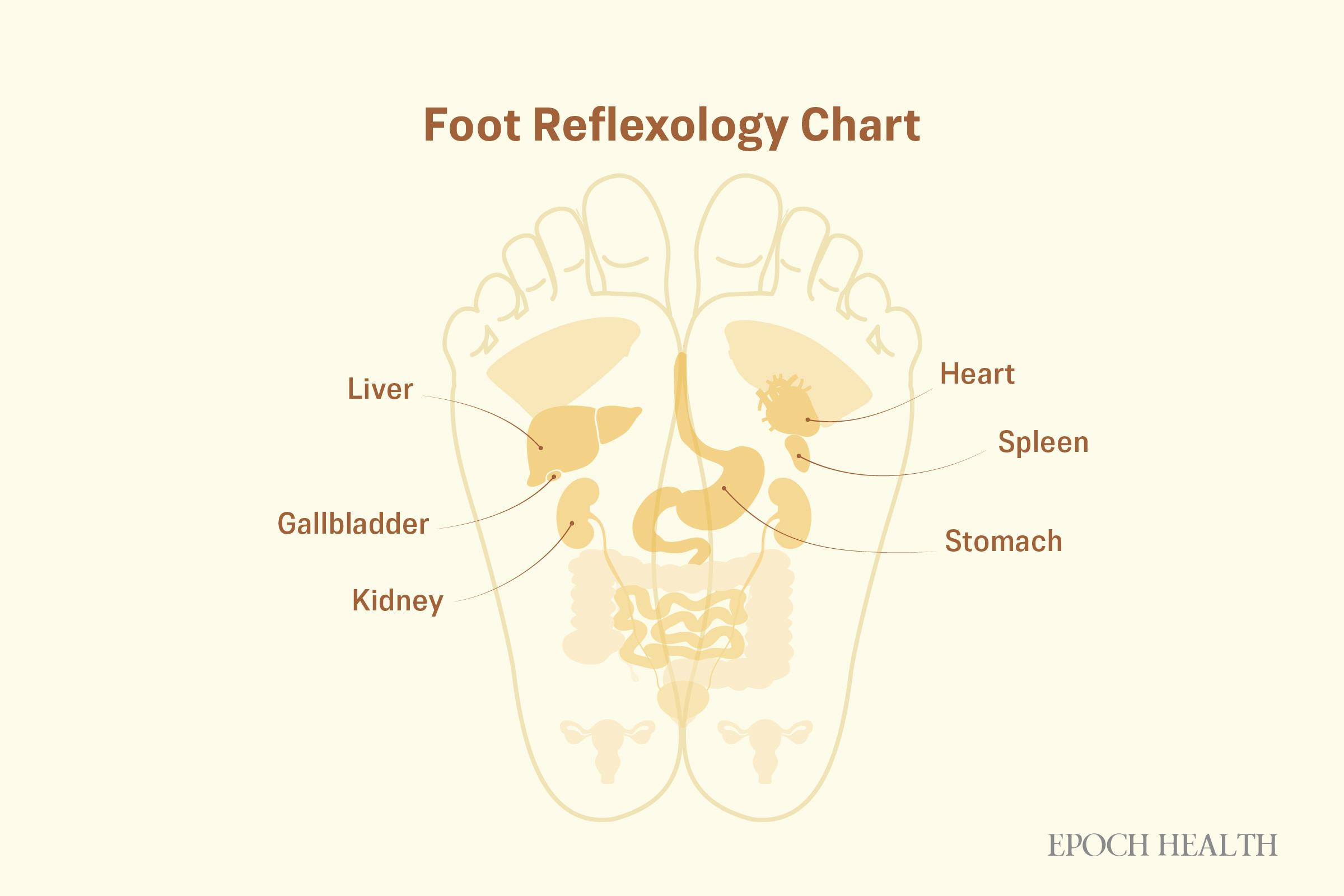
- The heart and spleen, located on the left side of the body, correspond to the left foot.
- The liver and gallbladder, located on the right side of the body, correspond to the right foot.
- The stomach, situated near the center of the body, has reflex zones on the inner sides of both feet.
- The kidneys, which are paired organs, have corresponding reflex points on both soles.
How to Massage Your Foot
Many people assume a foot massage must be painful to be effective. However, that is not the case.The intensity of a massage should be adjusted according to the recipient’s tolerance. A useful guideline is to apply pressure as if you were carrying the weight of a 6.6 to 11-pound object, such as a large textbook.
However, it is not true that “the more pain, the better.” Optimal pressure produces a comfortable level of soreness—enough to achieve therapeutic results without causing unnecessary discomfort.
In TCM, treatment methods are chosen based on whether a condition reflects a deficiency pattern or an excess pattern. Deficiency patterns call for tonifying techniques, which use light, quick pressure to strengthen and support the body. Excess patterns, on the other hand, are addressed with reducing techniques that involve heavier, slower movements.
When a patient experiences physical discomfort, a TCM practitioner first determines whether the root cause is deficiency or excess.
People who appear physically weak, low in energy, and easily fatigued typically present a deficiency pattern. By contrast, people with a strong or resonant voice who exhibit intense or pronounced symptoms are more likely to show an excess pattern.
Generally, each reflex zone should be massaged for about three to five minutes, except in emergency situations. The duration and frequency of massage should be adjusted according to a person’s condition and whether it reflects deficiency or excess.
For people with chronic illness or a deficiency of vital energy, overly long massage sessions may lead to overstimulation, which can have an inhibitory rather than therapeutic effect. When the body’s vital energy is weak, blood that normally circulates in the brain may be redirected to other tissues during massage, potentially causing dizziness or lightheadedness. For this reason, the duration of each massage session should be carefully regulated.
In terms of frequency, massage can be performed several times a day, but each session should be moderate in length, with comfort serving as the guiding principle.
People may experience different physical responses after a massage. Some feel relaxed and energized, while others may feel tired or sleepy, as if recovering from an illness.
Other common reactions include darker or stronger-smelling urine, increased urination, more frequent bowel movements with a foul odor, or even a mild recurrence of previous ailments. In some cases, a slight fever may occur as part of the body’s immune recovery response.
How the Feet Reveal Internal Health: External Signs to Look For
A fundamental TCM principle holds that internal changes will manifest externally. This means that when internal organ systems become imbalanced—due to fatigue, stress, illness, or an unhealthy diet—those disturbances may appear along meridians or reflex zones.In TCM, disruptions in qi, blood, or the body’s internal balance often present outwardly. Because the feet are densely linked to the meridians, they tend to reflect these internal changes. Recognizing these signs can help guide both self-assessment and more targeted foot massage.
Surface changes are among the most common indicators. These may include depressions, swelling, hardening, thickened skin, calluses, wrinkling, or slight joint deformities over specific reflex zones, often signaling long-standing stagnation in a related organ. Sensory changes, such as unusual tenderness, numbness, or heightened sensitivity, can also suggest disrupted qi or circulation.
Color variations offer additional clues. Pale areas may indicate deficiency, redness may suggest heat or inflammation, and gray, black, or brown discoloration often reflects stagnation. Temperature differences matter as well: cold areas may point to deficiency, while warmth may indicate excess or inflammation.
Beneath the surface, the feet may reveal deeper imbalances through palpable nodules or irregular textures. Soft nodules generally suggest recent or mild issues, while harder nodules are more often linked to chronic stagnation.
Stimulating these areas through massage, acupressure, or acupuncture can help improve circulation, redirect vital energy, and support the body’s ability to rebalance itself.
Foot reflexology offers an accessible way for people to activate the same regulatory pathways that skilled practitioners target through acupuncture or meridian-based therapies.