If you’ve had surgery — particularly if you’ve had any lymph nodes removed – exercise is your ticket back to health. And once you understand how your lymphatic system works, you’ll see why it’s necessary to stimulate it any way you can.
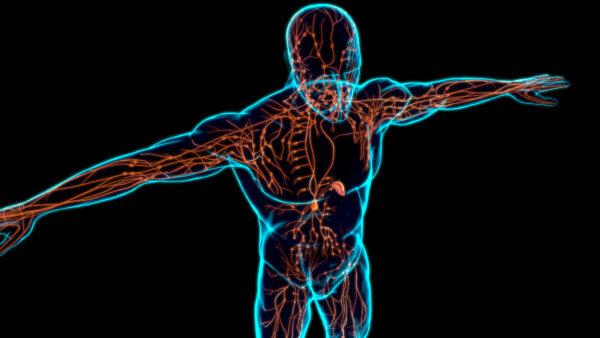
These lymph nodes are responsible for making white blood cells a/k/a killer cells that attack foreign invaders. In addition, they function as filters for lymph fluid to remove foreign invaders like bacteria, viruses, and other toxins. When that lymph fluid isn’t moving, however, the whole lymphatic system gets backed up.
Your Body’s Second Circulatory System Needs A Little Help From You
The lymph system is truly a beautifully designed circulatory system for the body, but unlike the heart, it doesn’t have a pump to keep it moving. Lymph only moves when you move. And when lymph doesn’t move, it pools — and that results in swelling and infection in areas where it’s stagnant.Are You at Risk for Lymphedema?
The bad news is that cancer patients are particularly susceptible to lymphedema. But they’re not the only ones. Anyone who has had surgery or radiation to remove lymph nodes in their body is at risk for this condition in which excess fluid collects in tissues causing swelling (edema). Other factors that increase your risk of lymphedema include being overweight, elderly, in poor health, receiving poor nutrition, or fighting infection (source: Cancer Exercise Training Institute).I remember waking up from a surgery, not knowing in advance that the surgeons would remove a large number of lymph glands in my groin area. I quickly learned the importance of keeping the lymph moving… at any cost.
Get Your Lymph Moving
After my unfortunate surgery, I had to use a lymph pump for several hours a day to get the lymph fluid moving in my leg. I’d even sleep with that machine running and my leg propped up on pillows to get the job done. Over time, I developed a healthier lifestyle, ate foods that cleanse the lymph, and understood the importance of exercise. As a result, I needed the pump less and less until I didn’t need it anymore at all. Since then, I’ve set a permanent goal to exercise at least 5 days a week so I don’t get sluggish and swell up again.- Exercise. For me, walking is ideal. I started by working my way up to walking an hour a day and I spend at least 10 minutes of that time doing deep breathing exercises and really taking that oxygen in. I want it to go to all of my tissues so cancer has no place to hide – cancer doesn’t thrive where there’s oxygen. I make sure some of my walk is up and down hills, and I walk in all kinds of weather.
- Bounce. Rebounding on a mini-trampoline is another great way to move the lymph. Lymph nodes open and close vertically and the up-and-down motion of jumping on the trampoline cleanses the lymph and gets it moving in the direction it needs to go.
- Position yourself correctly. Whenever possible, you’ll want to position yourself in a manner than allows the lymph to drain. For example: according to Cancer Research UK, these are some things to try:
- If you’re suffering from arm lymphoedema: when you sit, prop your arm on a pillow or cushion, just below the height of your shoulder.
- If you have leg lymphoedema: avoid sitting with your legs down. Instead, prop up your leg with a cushion or pillow underneath your knee.
- If you’re suffering from lymphoedema of your neck or head: sleep with an extra pillow or two in order to help the lymph to drain. Alternatively, raise the head of your bed to achieve the same result.
- Keep your body hydrated. If the body is dehydrated, lymph can’t flow like it should. Instead, it results in water retention and bloating. In addition to drinking an adequate amount of water each day, Ann Louise Gittleman’s famous Cran-Water recipe is a good remedy for clearing out toxins. In fact, improving the health of the lymphatic system is the cornerstone of her Fat Flush Fitness Plan, adopted by millions and explained in her article, Stimulate the Lymphatic System.
- Take alternating hot and cold showers. Hot water dilates the vessels while cold water constricts them. This technique trains the blood vessels to adapt to both dilation and constriction reflexes that imitate the ‘pumping’ action of circulation (source: “How to Support The Lymphatic System”).
- Try dry brushing. This simple technique is a potent detox method. Ann Louise Gittleman outlines how a simple medium-firm vegetable brush can bring about natural lymph movement. For detailed instructions, check out her article, “Brush Your Way to Summer Beauty.”
- Consider lymphatic massage. This specialized type of massage aims to improve the flow of lymph fluid throughout the body. Look for a local practitioner who understands the importance of clearing out these pathways.
- Eat foods that promote lymph flow. Foods that are good for promoting lymph flow include dark leafy greens, garlic, cilantro, avocados, and flaxseed.
- Avoid foods that cause lymph blockage. Avoid processed foods and sugars, dairy, soy, anything that contains MSG, artificial sweeteners, or artificial colors.