
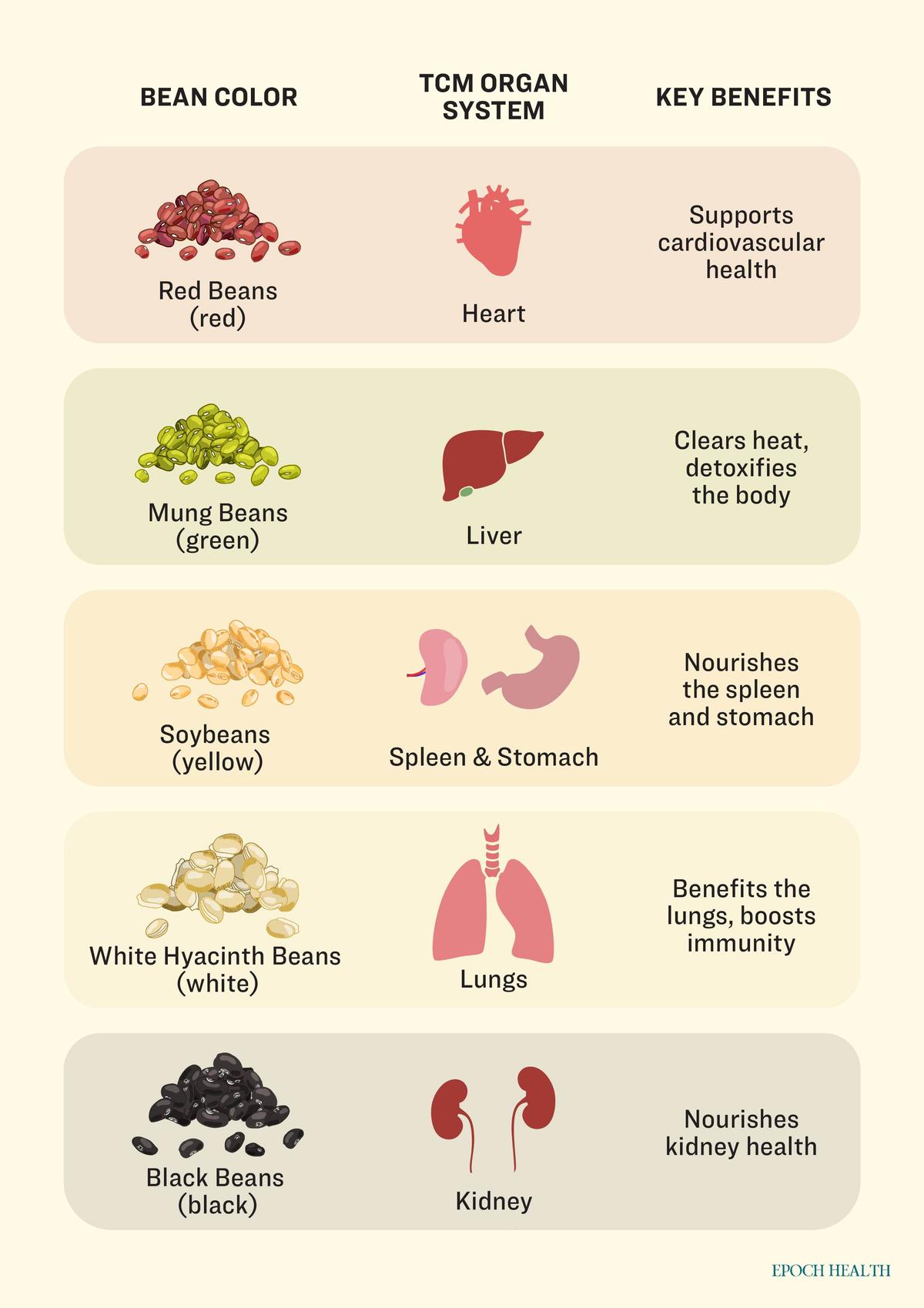
For centuries, traditional Chinese medicine (TCM) has taught that the colors of foods reflect their healing powers. Beans are one of the most striking examples, with each color corresponding to one of the body’s organ systems. Choosing the right bean may not only add variety to your plate but also support your heart, liver, digestion, lungs, kidneys, and even emotional balance. Modern research is beginning to echo these traditional insights, showing that beans benefit health in diverse ways.
1. Red Beans
Red beans, also known as adzuki beans, have long been prized in TCM for their ability to support cardiovascular health.The Heart and the Fire Element
In the “Five Elements“ theory, red foods correspond to the fire element, which governs the heart system.- Governor of Blood and Vessels: Ensures healthy circulation throughout the body.
- Houses the Mind and Spirit (“shen”): Supports emotional balance, clear thinking, and restful sleep.
- Controls Joy: Promotes calmness and contentment; imbalance may cause irritability or insomnia.
Recipe: Red Bean Soup
Red bean soup is one of the most common preparations of red beans. When combined with lotus seeds and lily bulbs, it nourishes the heart and calms the mind and spirit, improving sleep.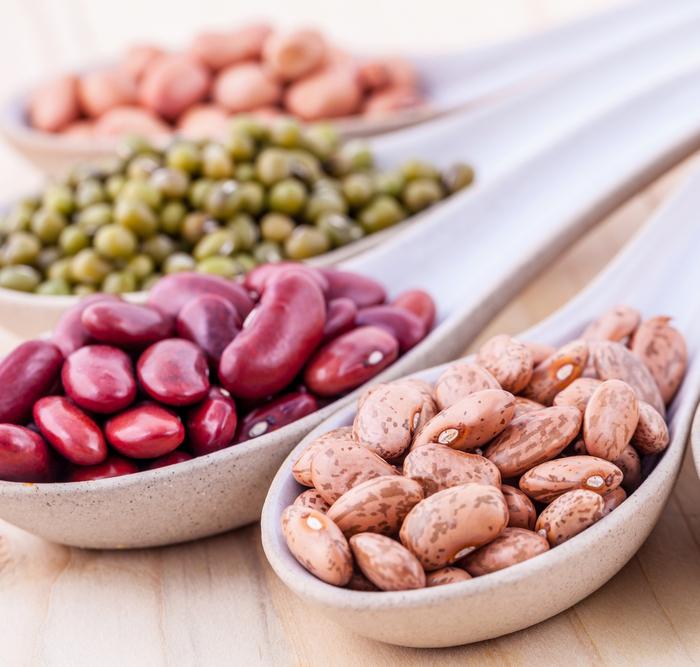

1/2 cup red beans
4 cups water
lotus seeds and lily bulbs (optional)
- Rinse beans and simmer until soft.
- Add lotus seeds and lily bulbs for additional calming and sleep-promoting benefits.
2. Mung Beans
Mung beans are highly valued in TCM for their cooling and detoxifying properties.The Liver and the Wood Element
According to the Five Element theory, green foods correspond to the wood element and the liver system. In TCM, the liver:- Regulates the Flow of “Qi“ (Vital Energy): Keeps emotions, digestion, and circulation balanced
- Detoxifies and Disperses Heat and Toxins: Prevents buildup that can cause inflammation or illness
- Supports the Eyes, Tendons, and Vitality: Stores and regulates blood
Recipe: Mung Bean Water
Mung bean water is a simple drink that clears heat, supports urinary health, and is easy to prepare at home.1/4 cup mung beans
3 cups water
- Bring beans and water to a boil.
- Simmer for less than 10 minutes (before beans split).
- Strain and drink the liquid.
In TCM, mung bean water is recommended for urinary tract infections (UTIs) with burning pain and frequent urination. From a Western perspective, UTIs are caused by bacteria in the bladder or urinary tract. In TCM, these symptoms are seen as signs of an imbalance of excess heat and moisture, also referred to as “damp-heat” in the lower body. Mung beans clear this heat and promote urination, indirectly supporting the liver’s role in detoxification.
3. Soybeans
Soybeans, often called the “king of beans,” hold an important place in both modern nutrition and TCM.The Spleen and Stomach, and the Earth Element
In the Five Elements theory, yellow foods such as soybeans are associated with the earth element, which corresponds to the spleen and stomach systems.Recipe: Soy Milk
Soy milk is a nourishing staple in TCM and makes a smooth, protein-rich drink that supports digestion, balances energy, and is simple to make at home.1 cup soybeans
6 cups water
- Soak soybeans overnight.
- Blend with water and strain.
- Boil the liquid for 10 minutes before serving.
4. White Hyacinth Beans
Compared with rice or other staples, white hyacinth beans offer more fiber and protein with fewer calories, making them a nutritious addition to the diet.The Lung and the Metal Element
In TCM, white hyacinth beans correspond to the metal element, which governs the lungs and large intestine.- Breathing and Qi: Takes in clean air and distributes qi throughout the body
- Defensive Qi (Immunity): Serves as the first line of defense against pathogens such as viruses and seasonal changes
- Skin and Body Fluids: Regulates pores and sweating and maintains a barrier between the body and the outside world
Recipe: White Hyacinth Bean Rice
The mild flavor of white hyacinth beans makes them easy to cook with rice or porridge, providing more fiber and protein while being gentle on digestion.White hyacinth bean rice is a gentle, fiber-rich staple that pairs well with daily meals.
1/2 cup cooked white hyacinth beans
1 cup rice
- Cook rice as usual.
- Stir in the cooked hyacinth beans.
- Season with a little salt or sesame oil, if desired.
5. Black Beans
In TCM, black foods are associated with the kidney system, and black beans nourish kidney energy, slow aging, and support vitality. Modern nutrition also highlights their benefits: The black seed coat of black beans is packed with anthocyanins, powerful antioxidants that are present in much higher levels than in soybeans.The Kidney and the Water Element
In the Five Elements theory, black corresponds to the water element, which is linked to the kidneys.- Stores Essence (”jing“): Governs growth, reproduction, and aging
- Controls Water Metabolism: Regulates fluids in the body, preventing edema (swelling)
- Supports Bones, Hair, Ears, and Eyes: Weak kidney qi or essence may cause premature graying, hearing loss, osteoporosis, or eye disorders
- Serves as Root of Life: Considered the foundation of overall vitality and longevity
From a TCM perspective, this ties back to the kidney system: The kidneys are said to govern bones and marrow and sustain healthy circulation. By improving vascular elasticity and lowering blood pressure, black beans help reduce the strain on the kidney system while also supporting longevity.
Recipe: Black Bean Porridge
Black bean porridge is a nourishing TCM staple, known for strengthening kidney health, improving circulation, and providing steady energy.1/2 cup black beans
1/2 cup rice
5 cups water
- Soak beans overnight.
- Cook beans and rice together in water until soft.
- Serve warm as a porridge.
Those with excess dampness (feeling heavy, sluggish, or retaining fluids) should eat black beans in moderation, as improper digestion could aggravate these symptoms.