



Jane, a patient of Vanessa Walker, a physical therapist and board-certified massage and bodywork therapist, presented with a frozen shoulder mainly due to prolonged immobility after having surgery a couple of months prior. She had significant stiffness and pain, and described numerous ways the condition was affecting her quality of life, including not getting sufficient sleep—she was severely fatigued at the onset of physical therapy. The therapy resulted in significantly reduced pain, increased range of motion, and diminished fatigue.
Early Diagnosis for Best Outcomes
Frozen shoulder is more common in people with diabetes, thyroid disorders, or prolonged immobility.“There is no guaranteed way to prevent it, but maintaining regular shoulder range of motion exercises—even during unrelated illness or recovery—can reduce the risk of the condition in these high-risk groups,” Dr. Hafiz Kassam, an orthopedic surgeon specializing in shoulder reconstruction at Hoag Orthopedic Institute in Southern California, told The Epoch Times.
Women, especially those between the ages of 40 and 60, are disproportionately affected. They are also more likely to have associated thyroid dysfunction, which may compound the severity of symptoms, he said.
Treatment of Frozen Shoulder
Orthopedic options to reduce pain may involve a single cortisone injection in the joint, oral anti-inflammatory medications such as ibuprofen, or platelet-rich plasma injections.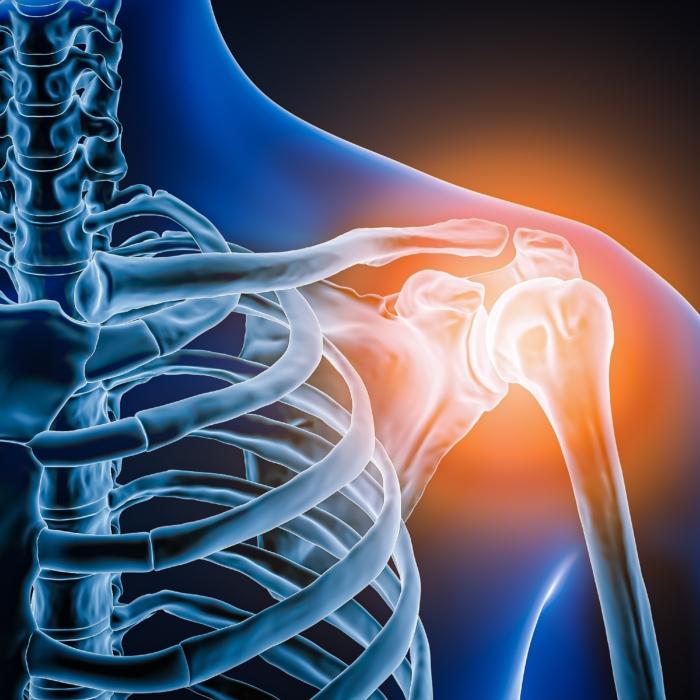

“Medications in conjunction with a focused stretching program to regain motion can enable many people to avoid surgery,” Dr. Casey Beleckas, board-certified orthopedic surgeon at Paley Orthopedic & Spine Institute, told The Epoch Times.
Cortisone is an anti-inflammatory medication, and platelet-rich plasma injections use a person’s own blood cells to speed up the healing process.
Mobilization Therapy
Walker, who has a doctorate in physical therapy, told The Epoch Times in an email that gentle stretching and mobility-boosting exercises are key to frozen shoulder therapy.She suggests passive range of motion exercises such as pendulum stretches, which involve bending over and letting the affected arm dangle from hip level. Another example is tracing small circles with the arm. Passive exercises refer to movement that occurs without actively moving the muscles.
“Such exercises mildly improve flexibility without putting pressure on the joint,” Walker said. “Additionally, I have found that patients who mix passive exercises with controlled cross-body stretches recover between 20 to 30 percent more range of motion during the first month than someone who does not do any stretching.”
Some therapists use 2- to 5-pound weights in hanging arm stretches to traction the joint capsule. Doing these daily under the supervision of a professional will result in 10 to 15 degrees of abduction mobility in four to six weeks, she said. Shoulder abduction refers to raising the arm out to the side.
Bobby Koser, a chiropractic physician at HealthSpine Chiropractic and Lifeline Spine in Tampa, Florida, also treats frozen shoulder in his practice. He shared his mobilization recommendations with The Epoch Times in an email.
These include wall walks, where patients slowly “walk” their fingers up a wall like a spider, inching upward to gently improve shoulder elevation. Another exercise, broom handle mobilizations, involves holding a long stick with both hands and using the unaffected arm to passively guide the stiff shoulder through pain-free motions—such as forward lifts or rotations—without overexerting the joint.
“Because frozen shoulder progresses in phases, it’s critical to assess and meet patients where they are,” Koser said. “Treatment should reduce muscular guarding, optimize the body’s natural healing response over time, and support mobility without forcing painful movement.”
Natural Approaches
Both Walker and Koser use naturopathic approaches together with mobilization.Herbal Creams and Heat/Cold Therapy
Walker recommends applying arnica or comfrey cream to the shoulder joint to counteract inflammation. Combined with stretches, it has resulted in good outcomes, she said.Her patient, Jane, strictly followed the program and experienced a reduction in pain from 7 to 3 on a 10-point pain rating scale—in which 10 denotes extreme pain and zero, no pain. Jane also nearly doubled her overhead reach in just eight weeks.
“The best naturopathic tactics I’ve ever encountered are those that incorporate both progressive mobility work and thermal therapy, which involves applying heat to the body,” Walker said.
Warm compresses before stretching for 10 to 15 minutes can boost range of motion by increasing circulation and loosening up the stiffened shoulder capsule. Contrast therapy, which consists of alternating warm compresses and cold packs, may also promote circulation to the area.
Nutrition and Supplements
According to Koser, anti-inflammatory nutrition is a naturopathic approach that is often a key pillar when added to mobilization. This approach includes eating foods rich in omega-3 fatty acids, following a low-glycemic diet, and taking curcumin supplements to help calm the body’s systemic inflammatory response.Food sources of omega-3 fatty acids include fatty fish, such as salmon and herring, and plant foods, such as flaxseeds and walnuts. A low-glycemic (sugar) diet contains plenty of fruits, vegetables, and whole grains, which are rich in fiber, a substance that helps keep blood sugar at a healthy level.
The study showed that the keto diet, which involves low carbohydrate and high fat intake, may reduce inflammation and pain, which could be helpful for frozen shoulder.
Acupuncture
Acupuncture offers a natural, drug-free approach to treating frozen shoulder, Theodore Levarda, a licensed acupuncturist in New York City, told The Epoch Times in an email.Levarda said that acupuncture targets the root cause of frozen shoulder. It involves inserting fine needles into specific points on the body, which helps regulate the nervous system, reduce inflammation, and improve circulation to the shoulder capsule.
Dry needling, a style that uses acupuncture needles to target tight muscles and trigger points, is especially effective for releasing tension in the rotator cuff and surrounding muscles, which often contribute to the limited range of motion seen in frozen shoulder.
Many patients begin to notice some relief after three to five treatments. A typical course of care involves eight to 12 weekly sessions, depending on how long the shoulder has been restricted and the severity of symptoms, he said.
“While results vary, acupuncture often leads to significant improvements in both pain and mobility, particularly when started early and combined with movement-based rehab. The combination of addressing both the local dysfunction and the broader nervous system response helps the body transition out of the frozen state more efficiently.”


