Olivia was overweight, in her late 30s, had polyendocrine metabolic ovarian syndrome, irritable bowel syndrome, and a prescription for a glucagon-like peptide-1 (GLP-1) drug she didn’t want to stay on. Six months after switching to a food-first approach—more fiber, more protein, regular meals—she kept the weight off, and the nausea and constipation she had experienced while on the drug had improved. No injections were needed. Her doctor was impressed, but I, as a clinical nutritionist, wasn’t surprised at all.
The Hormone Your Gut Already Produces
GLP‑1 is a hormone released by specialized cells—L-cells—found mostly in the ileum and colon, in response to food intake. It helps slow digestion, regulate blood sugar, and signal fullness to the brain. Medications such as Ozempic and Wegovy work by mimicking L-cells.“Foods don’t contain GLP-1,” Lisa Young, a registered dietitian and professor at New York University, told The Epoch Times. “But certain nutrients—like fiber, protein, and healthy fats—signal your body to produce it naturally.”
The two key drivers—protein and fiber—work through different pathways.
Protein acts quickly: Amino acids such as leucine, glutamine, and arginine activate GLP-1-releasing cells directly in the gut, producing a faster, more acute response.
Fiber works more slowly. Soluble, fermentable fiber is broken down by gut bacteria into short-chain fatty acids (SCFAs)—including butyrate, acetate, and propionate—that signal L-cells to release GLP-1 over a longer time frame, while also feeding the microbiome itself.

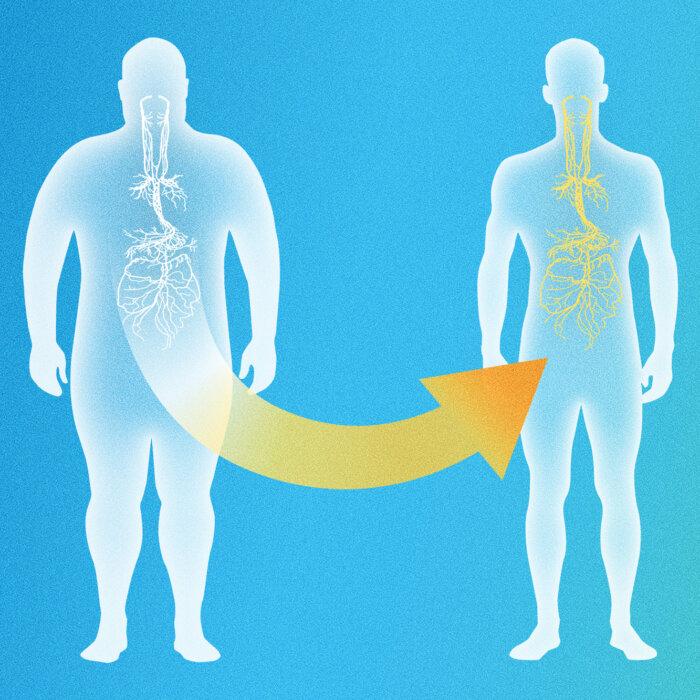
“Soluble fiber gets fermented by gut bacteria into short-chain fatty acids, and those compounds are thought to stimulate GLP‑1 release,” Young said.
The Foods That Do the Most Work
Rather than relying on a single so-called superfood, the goal is to consistently eat foods that nourish gut bacteria and support hormone signaling.Cruciferous vegetables—such as broccoli, Brussels sprouts, cabbage, cauliflower, and kale—also contribute fermentable fibers and plant compounds that support beneficial gut bacteria. Lightly cooking these vegetables improves digestibility.
Legumes, including lentils and beans, are another key category. Rich in fermentable fibers such as galacto-oligosaccharides, they have consistently been associated with increased SCFA production and improved satiety signals.
Nuts and seeds, including almonds, walnuts, flax, and chia, add fiber and plant compounds known as polyphenols that help nourish SCFA-producing microbes, although they are less concentrated sources of fermentable fiber.
Protein sources with the strongest evidence for direct GLP-1 stimulation include beef, pork, fish, poultry, whey protein, eggs, Greek yogurt, cottage cheese, and tofu.
Resistant starch—found in cooked and cooled potatoes or rice—is worth a special mention. It resists digestion in the small intestine and is fermented in the colon, contributing meaningfully to SCFA production.
Building Meals That Send the Right Signals
The goal isn’t to have a single high-fiber meal, but rather a steady rhythm of meals that send satiety hormone signals.“Combining protein, healthy fats, and fiber is key—that’s the foundation of feeling satisfied,” Young said.
A common guideline is to aim for roughly 20 grams to 30 grams of protein per meal, although individual needs vary depending on age, activity level, and metabolic health.
- Breakfast: Three-egg omelet with fresh herbs topped with cooked cabbage and pumpkin seeds
- Lunch: Lentil and vegetable soup with garlic and onions
- Dinner: Salmon with roasted broccoli and cooked then cooled potatoes or rice (for resistant starch)
It also helps to limit ultra-processed carbohydrates and refined sugars, which are associated with reduced satiety and increased calorie intake. These foods tend to digest too quickly and will not provide the same sustained signals of fullness.
Ultra-processed foods are typically low in protein and fiber and digest very rapidly, causing blood sugar spikes followed by energy crashes that can trigger more cravings and hunger. Their soft texture and hyper-palatability also make them easy to overeat.
Why Habits Still Matter
Dietary strategies may support the body’s natural hunger signals, but they are not the same as GLP-1 medications. For people with obesity or significant metabolic conditions, food and lifestyle changes may work best alongside medical treatment rather than as a replacement.At the same time, medication alone is rarely enough for lasting results.
“These drugs can be effective, but the biggest mistake I see is people never changing how they eat—on or off the drug,” Qureshi said. “When the shot stops, they often slide back into the same patterns and regain much of the weight.”
That is why long-term habits still matter, whether someone uses medication or not. Olivia’s results did not come from perfection, but from consistency: regular meals, adequate protein, sufficient fiber, and routines that supported those habits over time.