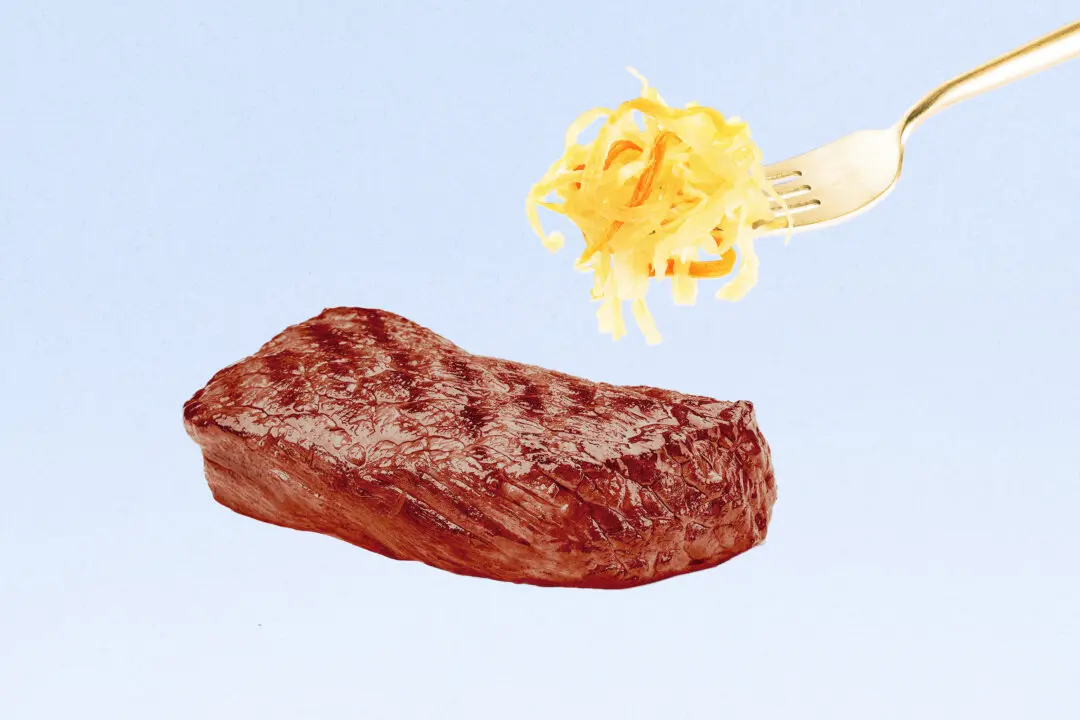
As a clinical nutritionist, I’ve spent years watching clients chase weight loss by planning the “perfect” diet, while tiny, almost unconscious habits quietly undo their progress. Fat loss is rarely ruined by one big mistake. It’s worn down by a struggle-driven mindset that creates damaging habits—trying to “earn” treats, skipping real meals, or ignoring basics such as sleep.
We talk about eating and weight loss like we’re in a war—battling cravings, fighting temptation, calling ourselves “cheats” when we slip, and insisting we “have to be good” to keep the pounds off. That warlike mindset doesn’t just color our thoughts; it drives our behavior. What if food was never meant to be a battlefield? What if it was a mirror—not reflecting your weight, but reflecting how you treat yourself?
When you start spotting and gently shifting harsh thought patterns, healthier choices become easier and more automatic.
10 Everyday Habits That Can Sabotage Weight Loss
Changing these habits will lead to guilt-free and successful weight loss.
Habit 1: Drinking Sugary Drinks or Alcohol Regularly
In the context of weight loss, these drinks can also make appetite harder to regulate and make it easier to take in extra calories without noticing. Because liquid calories are less satisfying or filling, people often do not compensate by eating less later. Over time, frequently drinking high-calorie drinks can reduce how well the body responds to insulin, which may make managing weight much harder.
Instead, switch to unsweetened beverages most days: water, plain tea or coffee, sparkling water, and other drinks with no added sugar. If you need flavor, add fruit, herbs, or a splash of juice. Over weeks and months, this single habit can eliminate hundreds or thousands of invisible calories. For many people, tracking drinks alone accounts for a surprising chunk of their daily calorie intake.
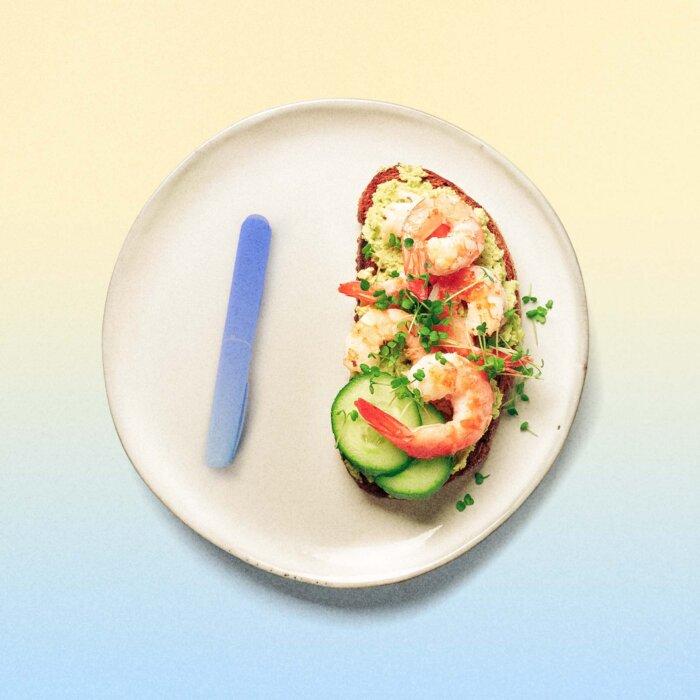

Habit 2: Not Eating Enough Protein and Fiber at Meals
Habit 3: Keeping an Irregular Sleep Schedule
Fixing sleep isn’t a diet, but it’s one of the most effective weight-loss supports. Aim for a consistent bedtime and wake time, even on weekends. Protect your sleep window like you would a critical work meeting: same time, same priority, no negotiation. Once sleep stabilizes, appetite and cravings often drop within days.
Habit 4: Eating While Distracted
Eating while watching TV, scrolling, or driving makes it easier to consume more because you’re less aware of how much you’re eating and how satisfied you feel. Mindless snacking in these contexts often leads to overeating without you noticing.
Try to eat at least one meal each day without screens. Over time, focusing on undistracted eating builds better self-regulation and reduces mindless overeating. When you tune in to how you feel while eating or drinking, it makes it easier to notice subtle shifts in your hunger and fullness.
Habit 5: Constantly Snacking Throughout the Day
A simple approach is to choose set meal times most days instead of continuously snacking. When you do snack, make it count towards the start or end of a main meal. You gain double benefits if you pair carbohydrates with some protein or healthy fats so the snack actually satisfies you. The goal is not to adhere to rigid rules; it’s to have enough structure to keep eating mindful and less automatic.
Habit 6: Underestimating Extras
Sauces, dressings, cooking oils, creamers, and bites while cooking add up quickly and are easy to underestimate. These seemingly small extras can turn an otherwise healthy meal or quick coffee break into extra calories without you realizing it. Calories from fat add up quickly, and they don’t necessarily make you feel fuller. Fat provides 9 calories per gram, and a tablespoon of oil contains about 120 calories.
Be intentional with these add-ons: measure oils and dressings, use sprays or small amounts instead of pouring, and avoid tasting while you cook, unless you count it. Treat them as part of your meal, not invisible calories.
Habit 7: Eating Oversized Portions
Use smaller plates or bowls, especially for higher-calorie foods such as grains and snacks. The visual cue of a fuller smaller vessel can help you stop eating sooner without feeling deprived.
Habit 8: Eating While Standing
Eating standing over the sink, at the counter, or in front of the stove tends to go hand in hand with overeating, because it’s usually rushed and less mindful, making it harder to notice fullness. These habits often pair with snacking or quick meals that add up to more calories over time.
Try to eat as many meals as possible a day seated at a table, without distractions. Sit down, focus on the food, and notice when you start to feel comfortably satisfied. Relaxing and slowing down builds a stronger connection between eating and satisfaction, which naturally reduces the need to scarf down more food.
Habit 9: Frequent Restaurant Meals and Not Considering Leftovers
Restaurant portions are often double or triple what you’d normally eat. Oils, sauces, and hidden calories make calorie estimates at restaurants unreliable. Without planning ahead, many people end up feeling like they must finish their plates, which can easily undo the healthy habits and discipline they usually have.
Before you even start your meal, decide how many bites you’ll take and what you’ll leave. If it’s large, ask for a half-portion, split with someone, or immediately pack up half as leftovers. Not having it all in front of you prevents the tendency to overeat, and it keeps restaurant meals from becoming something that derails your other efforts. Appropriately sized portions protect your weekday discipline from turning into a binge without requiring you to avoid restaurants altogether.
Habit 10: Being Sedentary Most of the Day
It is best to build in two- to five-minute movement breaks every hour: a quick walk, some stretches, or a set of body-weight exercises. Add strength training a few times per week to preserve muscle, which supports long-term fat loss and metabolic health. Movement should never be a punishment; it’s a daily act of care for your mood and maintenance for your metabolism, especially if you’re navigating weight loss medications or adopting a healthier lifestyle around food.
Consistent Shifts Add Up
Sustaining a healthy weight starts with treating yourself like someone worth caring for. When you do, eating well feels different. You choose nourishing food because your body deserves it, not because you’re trying to be “good.” You stop when you’re satisfied because you’re listening to your body, not because you’re punishing yourself.
In my clinical work, the clients who create lasting change aren’t the ones with the strongest willpower. They’re the ones who build small, repeatable habits that support hunger and weight-loss hormones, which naturally lower overall calorie intake.
The goal isn’t to implement all ten habits at once or to be perfect every day. Pick a few that fit your life and practice them consistently. Think of these as quiet upgrades to be cultivated over weeks and months—to shift your trajectory. Sustainable fat loss works—not with grand gestures, but with small, repeatable behaviors that fully align with your goals.