Fermented foods, which we all know are good for the gut, are also beneficial for our brains, preliminary findings from a new study out of Ireland suggest.
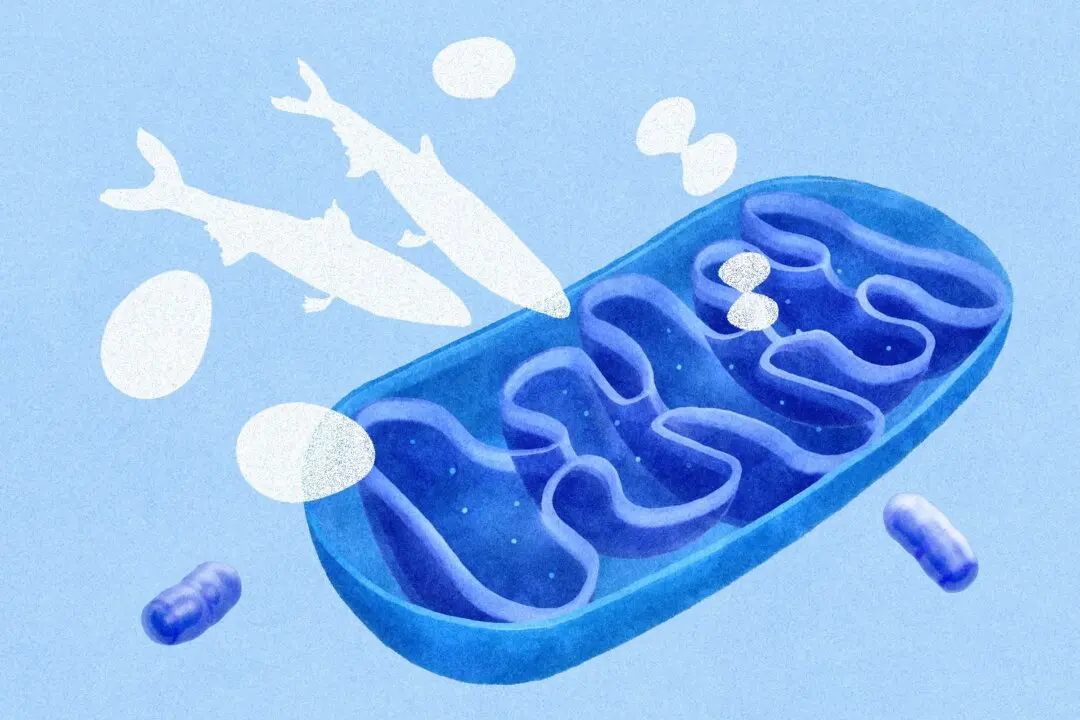
Fermented foods are also a source of tryptophan—an important amino acid. The body can use tryptophan to make the hormone melatonin (which regulates our sleep-wake cycles).
Tryptophan is present in milk, tuna, and many types of meat, such as turkey.
Research has also shown that eating fermented foods may have long- and short-term impacts on brain function, resulting in improved mood and reduced stress.
Fermented Foods for Brain Health
Although the study is still in its preliminary stages, researchers have been surprised and delighted at the results thus far.“I expected only a few fermented foods would show up, but out of 200 fermented foods [tested], almost all of them showed the ability to exert some sort of potential to improve gut and brain health,” Ramya Balasubramanian, one of the study authors, said.
More research is needed to determine which foods have the most significant impact on brain health, but a couple already stand out.
“Fermented sugar-based products and fermented vegetable-based products are like winning the lottery when it comes to gut and brain health,” Ramya said.
“For all that we see on sugar-based products being demonised, fermented sugar takes the raw sugar substrate, and it converts it into a plethora of metabolites that can have a beneficial effect on the host. So even though it has the name ‘sugar’ in it, if you do a final metabolomic screen, the sugar gets used by the microbial community that’s present in the food, and they get converted into these beautiful metabolites that are ready to be cherry-picked by us for further studies.”
Fermented sugars can include those found in fruit, many vegetables, other carbohydrates, and the lactose found in dairy products.
How the Gut Affects Mental Health
The microbiome is the collection of all the microorganisms, such as viruses, bacteria, and fungi, that live in a particular environment, such as in a human body. The gut is the most populated residence of the human microbiome. The gut microbiome helps with digestion, destroys harmful bacteria, protects against pathogens, and produces countless important metabolites.In recent years, there has been considerable interest in the gut microbiome, and scientists are learning that it affects an enormous number of health issues. Our understanding of mental illness is also evolving based on new studies involving the microbiome. Rather than seeing mental health as localized to the brain, research demonstrates that our gut plays an active role in affecting mood and behavior through the microbiome-gut-brain axis.
“Research into the active role that the microbiome-gut-brain axis plays in affecting mood and behaviour may lead to the conclusion that mental health is more than an internalized problem of individual brains,” it notes.
“Dysbiosis and inflammation of the gut have been linked to causing several mental illnesses including anxiety and depression, which are prevalent in society today,” they note.
Fermented Foods for Mental Health
Foods are fermented by bacteria that can then continue living in foods as long as they aren’t killed off by additional processing, a common occurrence with many foods, such as lower-end yogurts. Fermented foods with live bacteria are called probiotics and they are a simple, cost-effective way to improve digestion, mood, and brain health.While the findings from the Irish study above may provide a wider scope of insight into the brain-boosting metabolites in fermented foods, other studies have also explored the benefits of eating fermented foods on cognitive function and brain health.
Much research has focused on the role of strains of Lactobacillus (L.) bacteria that break down sugars, including those in milk.
That means that even though researchers have proven the therapeutic benefits of these foods, that information isn’t being acted upon by doctors. The result is that our medical treatments rarely reflect the impact food has on our overall health. Current and future research into the microbiome will inevitably give us more details about fermented foods and how they improve the health of the body, including the brain.
For now, adding fermented foods such as yogurt, kimchi, miso, and sauerkraut to your diet is an excellent way to enhance your gut microbiome and improve brain health.