We have better antidepressants, more therapists, and a deeper understanding of brain chemistry than ever before. Yet suicide rates are climbing, overdose deaths are shattering records, and despair feels increasingly widespread.
When Spiritual Participation Declines, Mortality Rises
A recent peer-reviewed study published in the Journal of the European Economic Association (JEEA) examined long-term trends in religious participation and mortality across the United States and found that states with the most significant declines in church attendance between 1985 and 2000 experienced significantly greater increases in so-called “deaths of despair,” including suicide, drug overdoses, and alcoholic liver disease.Notably, these increases began before the opioid epidemic, which started in about the mid-1990s, challenging a common assumption that widespread despair is driven solely by drugs or economic disruption. Instead, the data suggest that the erosion of spiritual participation preceded, and likely predisposed people to, later behavioral and health crises.
A Whole-Person Map of Health: The ACES Framework
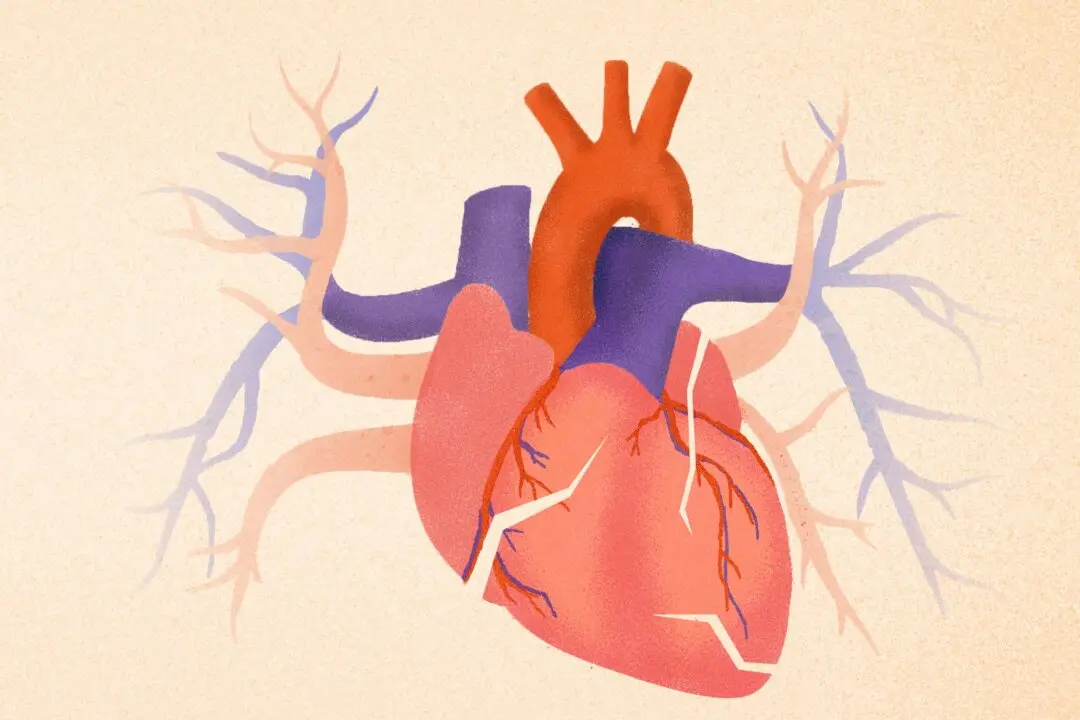
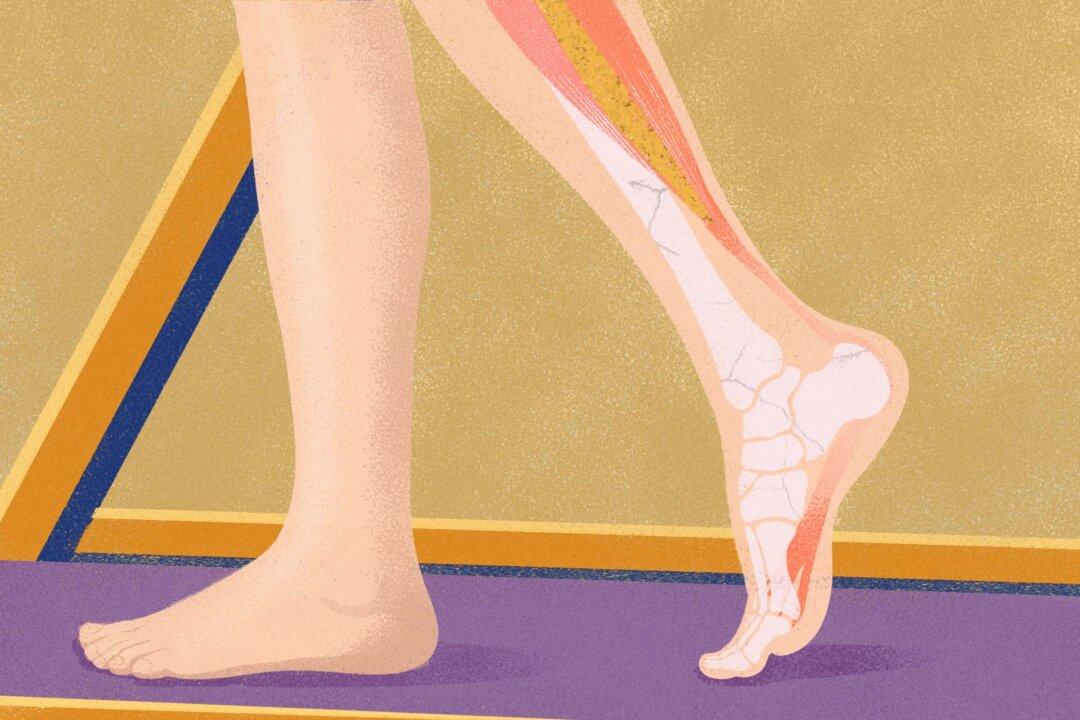
To understand why spiritual health matters so profoundly, it helps to step back and clarify how health itself is organized. Over 30 years of clinical practice, I have found that nearly all health problems can be understood across four interconnected dimensions. This perspective is summarized in the ACES Model of Health, in which ACES stands for anatomy, chemistry, energy, and soul.Anatomy refers to the physical structure of the body: bones, joints, muscles, organs, fascia, and circulation. Structural problems such as injuries, degeneration, or surgical conditions fall under this category and are addressed through surgery, physical therapy, chiropractic care, and rehabilitation.
Chemistry includes biochemistry and metabolism: nutrients, hormones, neurotransmitters, medications, toxins, inflammation, and infections. Much of modern medicine focuses on this domain through pharmaceuticals, supplements, and dietary interventions.


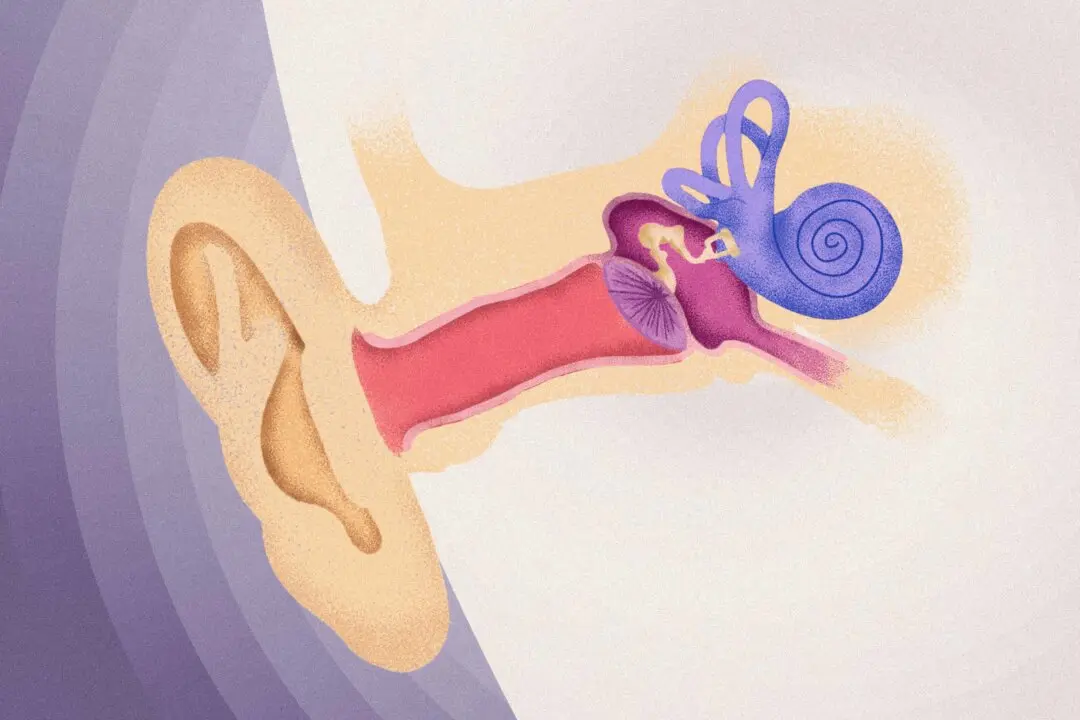
Energy refers to regulation and communication within the body, especially the nervous system, autonomic balance, emotional regulation, stress physiology, and environmental responsiveness. Acupuncture, acupressure, qigong, breathing practices, and many mind-body therapies work primarily at this level.
Soul represents meaning, conscience, purpose, moral orientation, and the inner driver of human behavior. It governs why people act as they do: how they respond to suffering, temptation, loss, and responsibility.
A Clinical Observation
In clinical practice, I have often seen patients whose laboratory values normalized and whose symptoms improved, yet whose suffering persisted.One middle-aged patient presented with chronic anxiety, insomnia, and escalating alcohol use. Extensive evaluation revealed no significant biochemical abnormalities. Medications reduced symptoms but left him emotionally numb. Over time, it became clear that the deeper issue was a collapse of meaning following job displacement and social isolation.
We applied the integrative ACES approach to address the sleep, nutrition, and nervous system regulation. However, lasting improvement began only when the patient re-engaged in spiritual discipline—not as an abstract concept, but as a daily practice of the “soul.” This involved daily self-reflection, moral responsibility, and a renewed sense of purpose beyond self-interest. Anxiety diminished, sleep improved, and alcohol use declined.
Faith and the Brain: A Behavioral Reality
From a neuroscience perspective, spiritual health influences key brain systems that govern behavior, including impulse control, emotional regulation, reward processing, and stress response.Practices such as prayer, meditation, and moral self-reflection function as behavioral and neurophysiological training systems, strengthening self-regulation, delayed gratification, and emotional stability. They do this by repeatedly shifting attention away from impulse and threat, calming stress responses, and reinforcing neural pathways involved in reflection, restraint, and choice.
The Case of Falun Dafa: Mind-Body Practice and Regulation of the Human System
My understanding of spiritual health is also informed by long-term clinical observation of Falun Dafa, also known as Falun Gong. This traditional practice includes gentle meditation and qigong exercises, as well as moral self-cultivation centered on truthfulness, compassion, and forbearance.A regulated autonomic nervous system is foundational to health. As sympathetic dominance settles, impulse control improves, emotional reactivity decreases, inflammation quiets, and the body’s intrinsic capacity for self-healing re-emerges: mechanisms consistently observed in meditation-based neurophysiological research.
In clinical terms, this moral realignment could reduce compulsive reward-seeking while fostering emotional resilience, precisely the behaviors implicated in population-level increases in deaths of despair, as seen in the JEEA article.
Fix the Car and Remember the Driver
The JEEA study raises an important question: What is filling the void when spiritual participation is displaced? Social media provides stimulation without meaning, entertainment provides distraction without purpose, and medication treats symptoms without restoring identity. Public health cannot fully address despair while ignoring the soul.The central issue is not religion versus secularism. It is whether modern society has any framework—religious or otherwise—that can sustain moral community, reinforce daily practices of self-regulation, and provide a shared sense of purpose. When those structures weaken, despair becomes more likely, and medicine alone cannot compensate.
Conclusion
Many of today’s most devastating health crises may not be purely mechanical failures of the physical body. They appear to involve failures of meaning, purpose, and moral orientation. Faith and spiritual health complement, rather than compete with, medical science in shaping behavior. Behavior shapes the brain; the brain shapes health.If we want to reduce despair, addiction, and premature death, we must once again care for the one behind the wheel.
True healing begins not only with treating the body, but also with restoring purpose to the person within it.