4 Common Causes of Urinary Tract Infections
Ms. Yu stated that symptoms of urinary tract infections include frequent or urgent urination, painful urination, lower abdominal pain, or urethral discharge. Women, due to their shorter urethra, are 30 times more likely than men to suffer from urinary tract infections.- Hot outdoor temperatures can cause increased fluid loss in the body and can lead to dehydration and reduced urine output, making it easier for bacteria to spread in the urethra and bladder.
- Wearing tight pants reduces ventilation in the lower body, which increases the likelihood of urinary tract infections.
- Drinking excessive sugary beverages can induce inflammation in the body.
- Prolonged sedentary lifestyles impair pelvic blood circulation, increasing the risk of urinary tract infections.
Without intervention, bacteria may ascend through the urinary system to the ureters, bladder, and kidneys, potentially leading to acute kidney infection in severe cases.
In traditional Chinese medicine theory, “clear heat” refers to the removal of pathogenic heat or excess heat from the body, while “clear dampness” refers to eliminating dampness through urination.
After the acute phase, although some symptoms such as hematuria and painful urination may subside, bacteria may persist in the urine, and there may be mild lower abdominal bloating. In such cases, Ms. Yu suggests continuing the use of herbs that clear heat and dampness.
Additionally, sitting baths with medicinal herbs such as Phellodendron (huang bai), Chinese gentian root (long dan cao), dictamnus root bark (bai xian pi), or Poria (fu ling) can be beneficial for their anti-inflammatory and dampness-clearing properties.


In the later stages of urinary tract infection, patients may experience fatigue, lower back soreness, or back pain. During this phase, using medications that soothe the liver, regulate qi, and strengthen the body’s resistance can enhance immunity and help prevent recurrent infections.
“Soothing the liver and regulating qi” involves removing liver qi stagnation in the body, thereby restoring normal liver function. “Strengthening the body’s resistance” involves enhancing its ability to resist diseases, thus expelling pathogenic factors and promoting recovery.
Daily Habits for Preventing Urinary Tract Infections
Ms. Yu listed three habits or dietary adjustments that can help prevent UTIs:- In the morning upon waking: Blood tends to thicken overnight due to lack of water intake—drinking plenty of water can help dilute the blood.
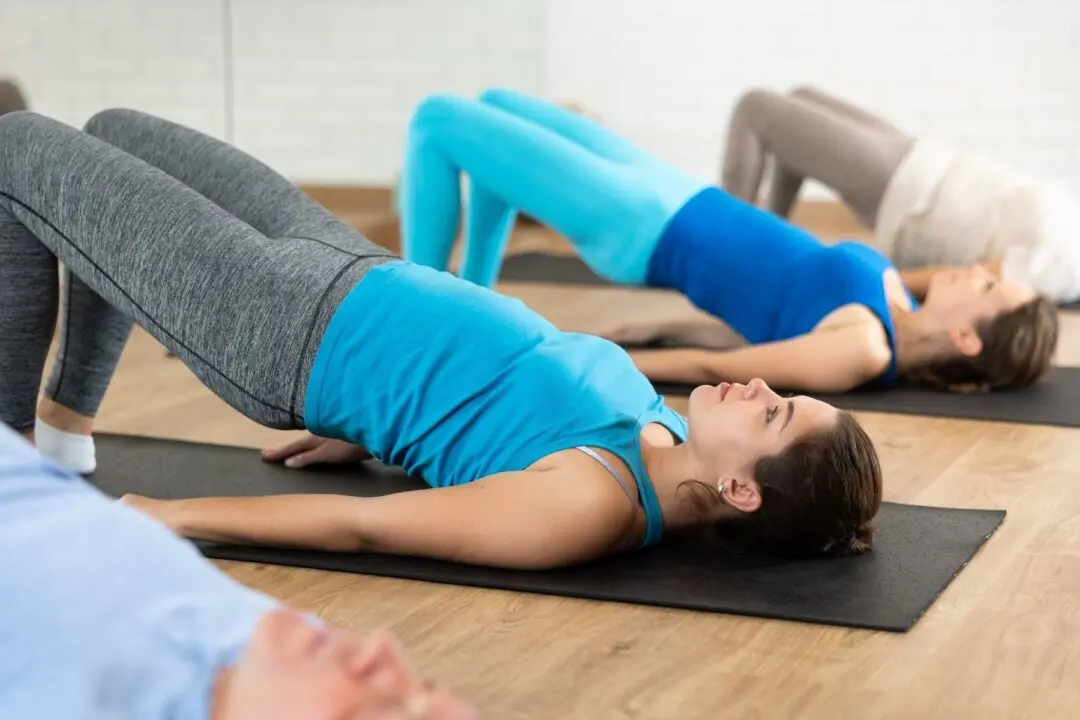
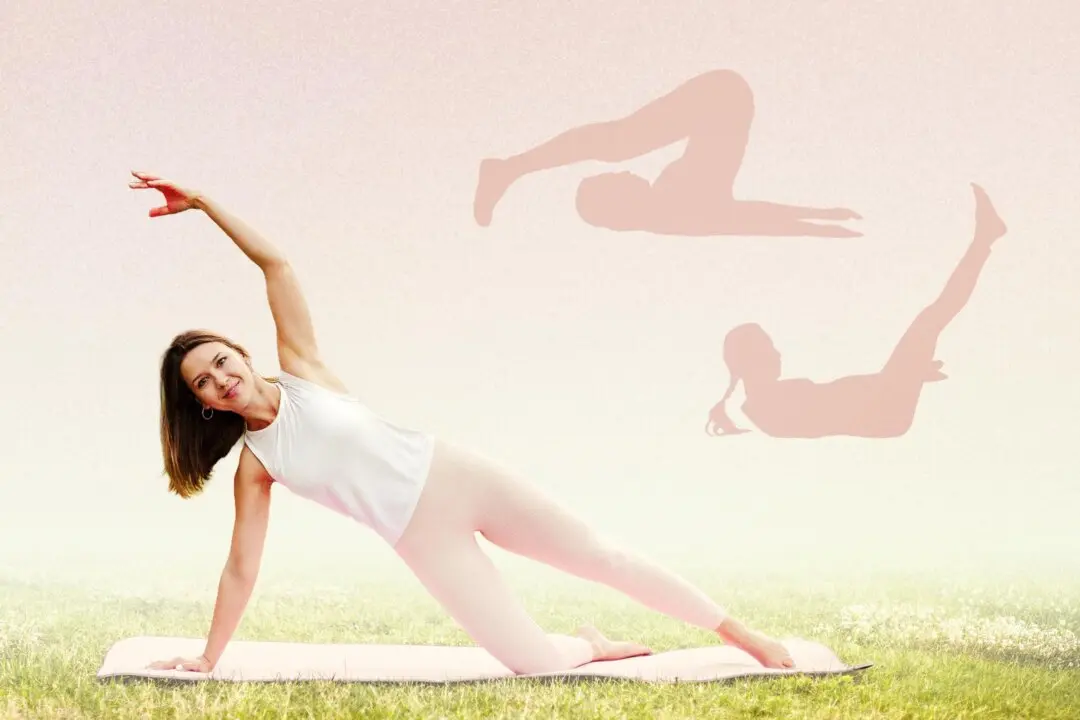
- From three to five in the afternoon: This period corresponds to the active phase of the bladder meridian. It is advisable to drink plain water during this time and engage in exercises that activate the bladder meridian and promote pelvic movement, thereby enhancing blood circulation in the lower body.
Additionally, the function of the kidney and bladder meridians can be strengthened through acupressure massage of the following points:
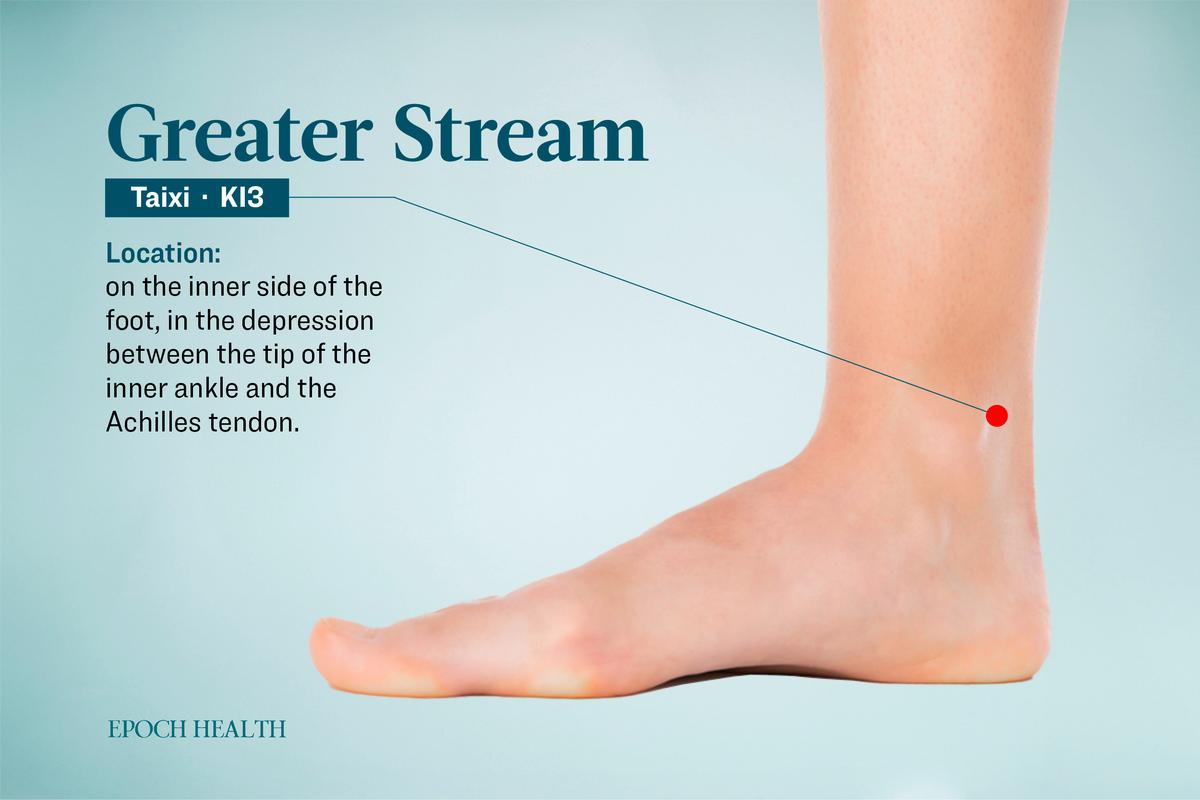
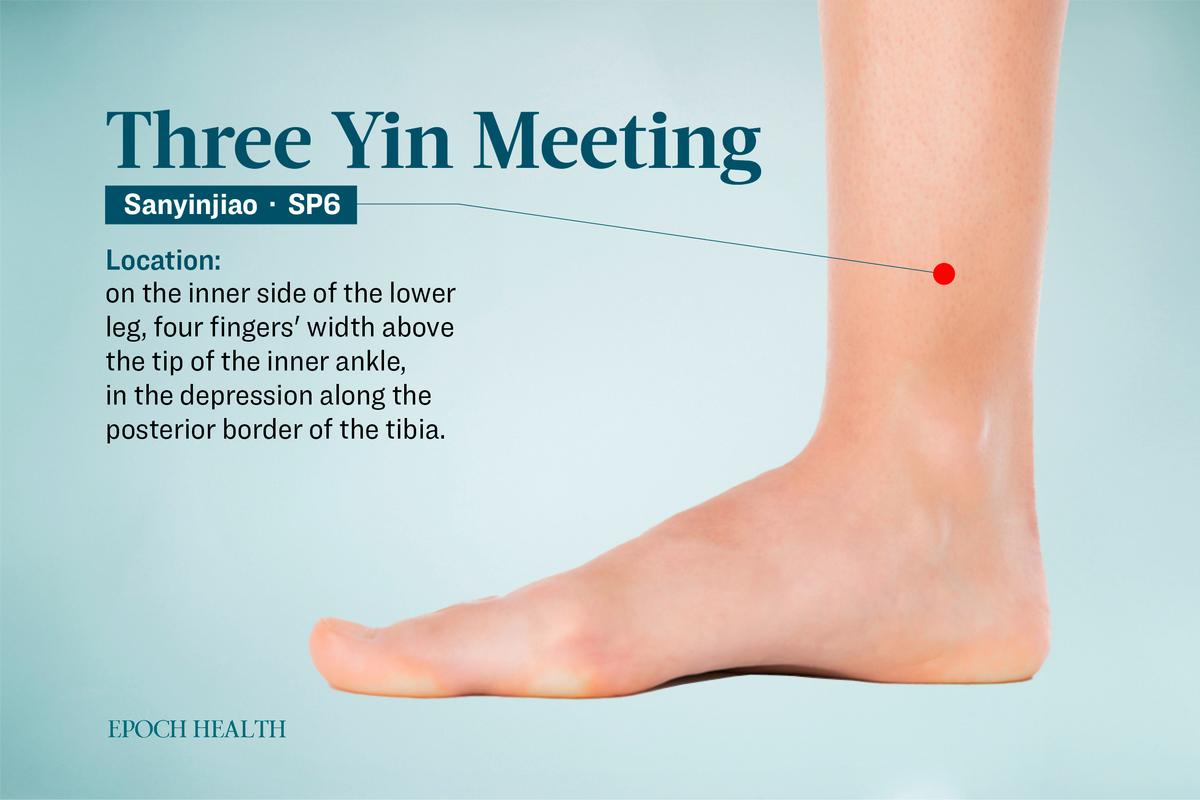
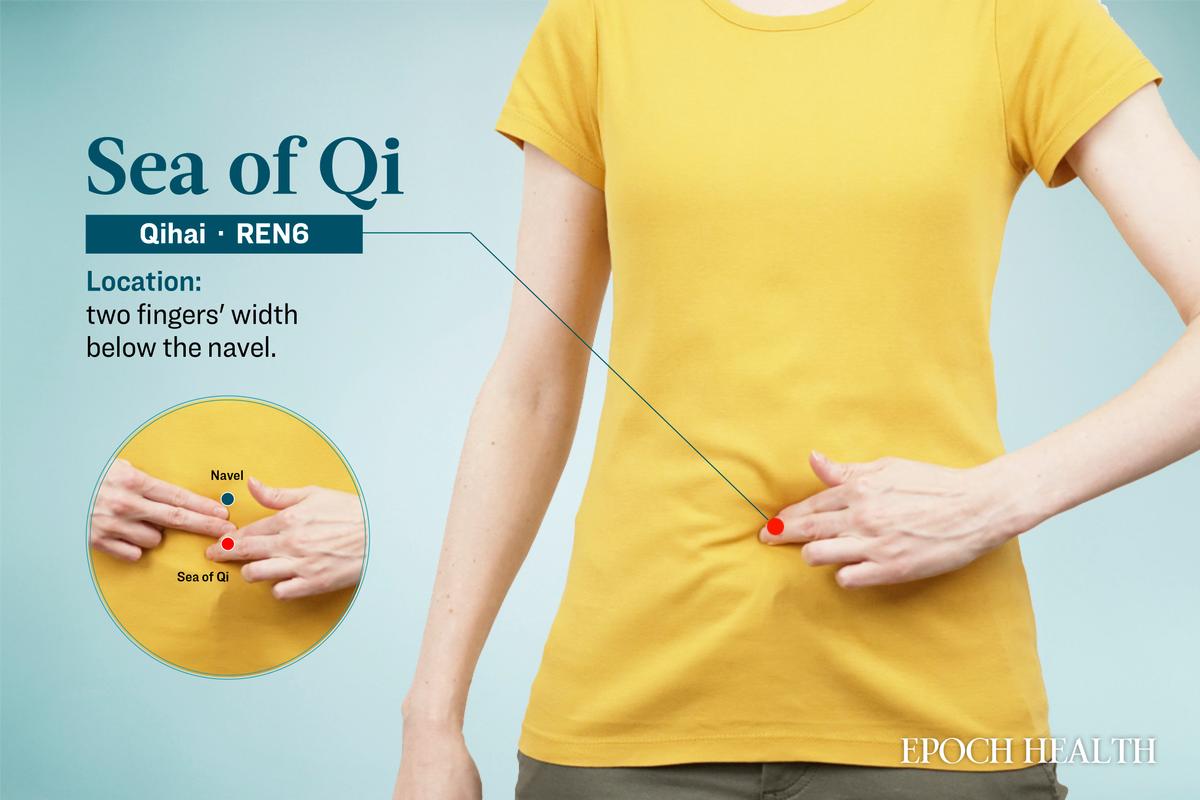
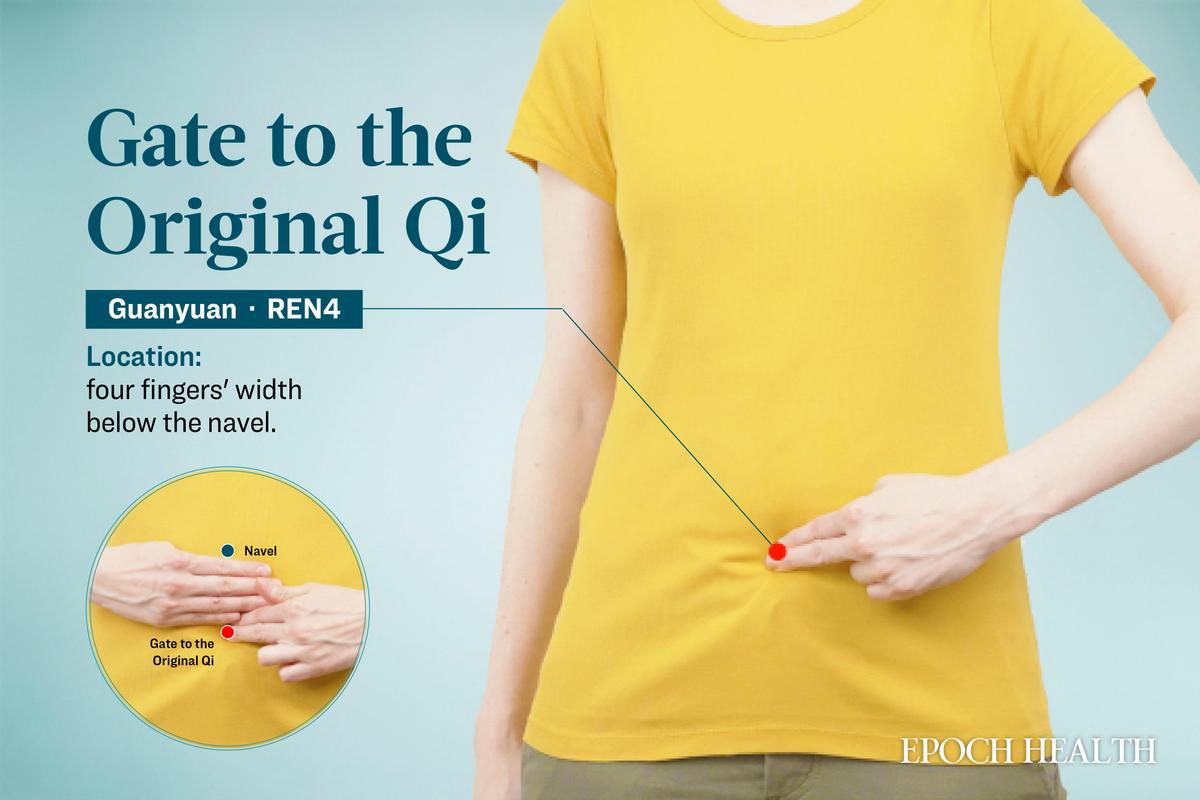
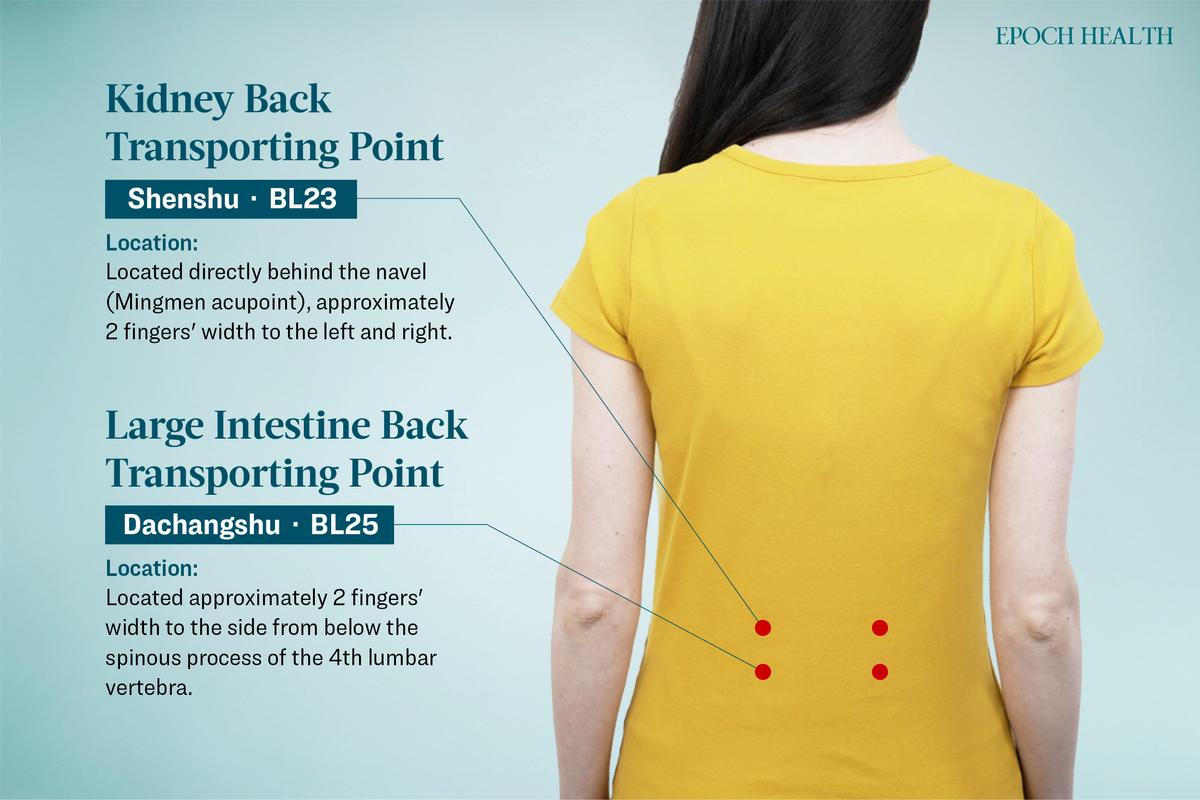
Ms. Yu also suggests doing exercises that stimulate the bladder and kidney meridians between 3 and 5 p.m., when the bladder meridian is most active. For instance, exercises such as standing and bending forward to touch the ground can help enhance the immune function of the urinary system.
According to traditional Chinese medicine, meridians are the channels through which energy flows in the human body. They are responsible for transporting qi and blood throughout the body. The bladder and kidney meridians are two of the primary channels.
The bladder meridian is the longest meridian in the body, extending from the top of the head to the back of the neck, then along both sides of the entire spine, and down the back of the thighs and calves. Along the bladder meridian, there are numerous acupoints such as Ganshu, Xinshu, Pishu, Feishu, and Shenshu. Stimulating the bladder meridian is equivalent to nourishing all internal organs.
2 Techniques and a Stretching Exercise to Boost Immunity
1. Massage the Kidney Meridian
Massage along the pathway of the kidney meridian starting from the sole of the foot. You can apply some massage oil to your hands or body beforehand.2. Tap the Kidney Meridian
Using cupped hands, tap along the pathway of the kidney meridian starting from the sole of the foot.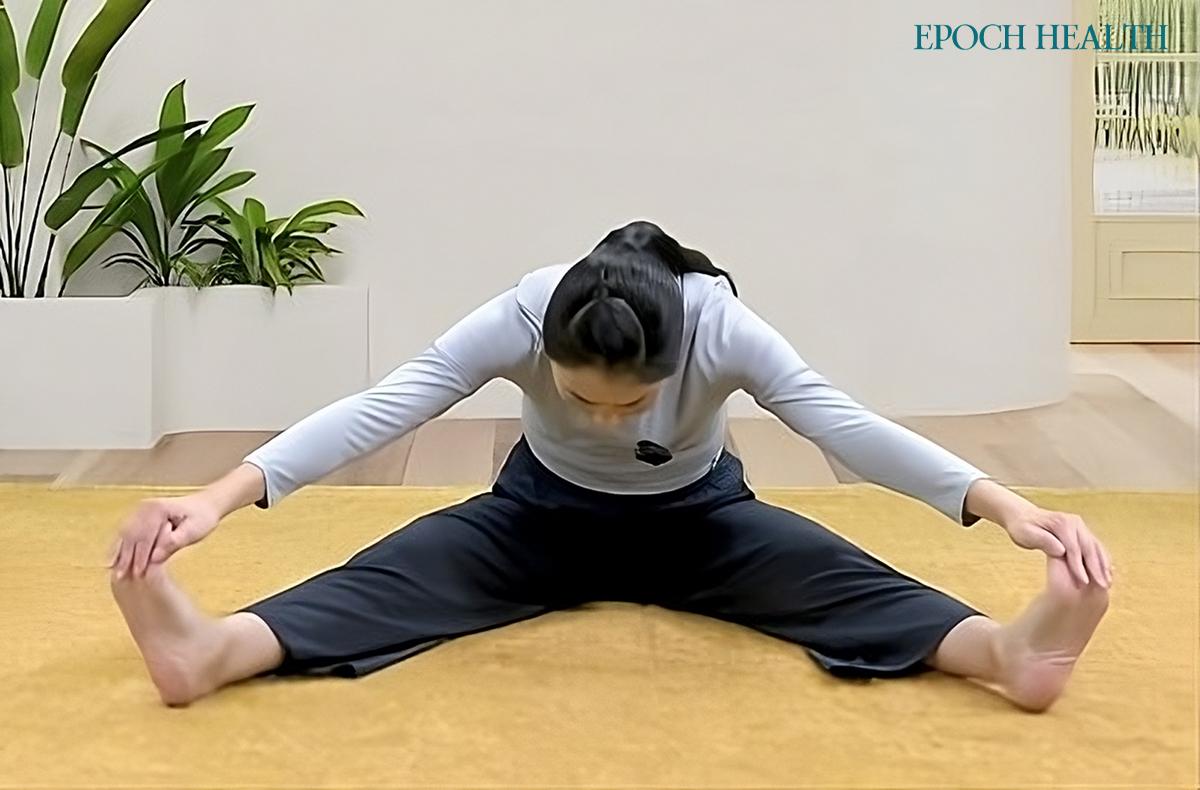
Stretching Exercise: V-Sit Stretch
Steps:- Sit with your legs extended and spread in a V-shape, with your toes pointing upward.
- Lean your body forward, extend your fingers toward your toes, and bring your abdomen close to the floor. Hold this position for 10 to 20 seconds.