Every year, the Environmental Working Group (EWG) releases a new list that causes a stir in the produce aisle—and this time, two newcomers, blackberries and potatoes, have landed on the Dirty Dozen list, prompting many shoppers to give their grocery carts a second look.
While the findings offer new insight into pesticide exposure, the report is meant to inform, not alarm.
“My goal is to get people to eat more produce, not less,” Elizabeth Shaw, a registered dietitian and author of four books on practical, healthful eating, who was not involved in the study, told The Epoch Times in an email.
Why They Made the List
The Dirty Dozen list highlights fruits and vegetables that tend to carry the highest levels and varieties of pesticide residue, based on federal data.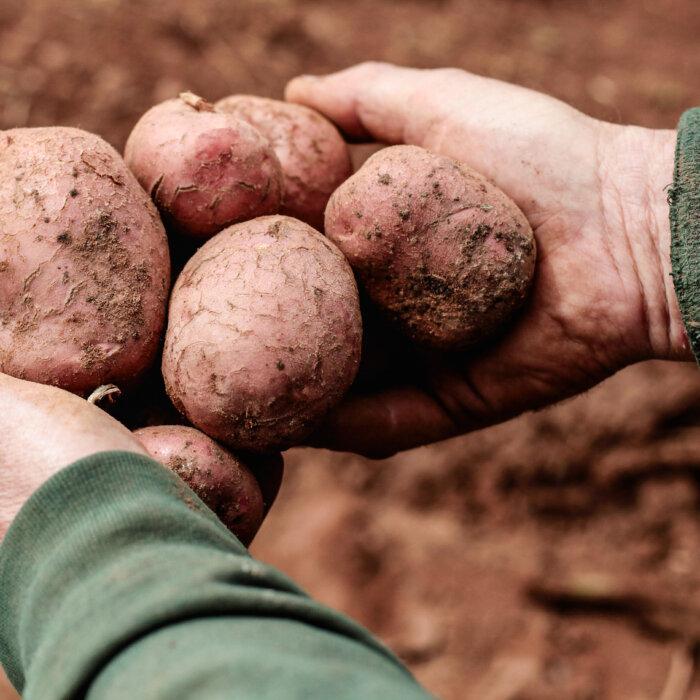

EWG researchers assessed data from pesticide residue tests conducted by the U.S. Department of Agriculture (USDA) on more than 53,000 samples of 47 fruits and vegetables.
This year, blackberries and potatoes joined the list after testing revealed frequent contamination with chemicals such as cypermethrin, a pesticide that the Environmental Protection Agency (EPA) classifies as a probable human carcinogen, and chlorpropham, a sprout inhibitor banned in the EU in 2019.
USDA testing found that 93 percent of conventional blackberry samples carried pesticide residues, with an average of four different substances per sample. Potatoes showed chlorpropham in 90 percent of samples tested.
These changes reflect how the EWG ranks pesticide risk. For the first time, the list weighs not just how often pesticides are found or in what amounts—but also how toxic the chemicals are, based on safety thresholds.
“This means we’re not only flagging produce with the most pesticides, we’re also highlighting those with potential health hazards,” Varun Subramaniam, associate scientist at EWG, said in the statement.
The full 2025 list, ranked by pesticide contamination and toxicity, includes spinach, strawberries, kale, grapes, peaches, cherries, nectarines, pears, apples, blackberries, blueberries, and potatoes.
The Clean 15: Safer Picks
For shoppers seeking lower-risk options, the EWG also publishes its Clean Fifteen list—fruits and vegetables with the lowest levels of detectable pesticide residues.This year’s newcomers include bananas and cauliflower, joining items including avocados, pineapples, onions, and papayas.
These fruits and vegetables are considered “clean” because their thick, inedible skins or outer layers act as natural barriers, limiting pesticide exposure to the edible parts. In the case of cauliflower, its outer leaves—typically removed before cooking—help protect the inner head from pesticide contact, much like the skins of avocados or bananas.
Asparagus, cabbage, watermelon, mangoes, carrots, mushrooms, kiwi, and fresh or frozen sweet corn and sweet peas rounded out the list.
Nearly 60 percent of Clean Fifteen items had no detectable residues at all, and only 16 percent carried two or more pesticides, according to an EWG statement released on June 11.
Bananas are a staple in children’s diets, so it’s encouraging to see them on the list, EWG scientists noted.
What We Know About Pesticide Risk
Research has linked certain pesticides to a wide range of health effects, including cancers, hormone disruption, fertility issues, and developmental harm in children.Still, Shaw cautions that legal safety limits matter—and most produce clears that bar.
“I work with the nonprofit Alliance for Food and Farming, which supports both organic and conventional growers,” she said. “More than 99 percent of the produce tested by the USDA is below legal safety limits set by the EPA.”
Smart Shopping, Safer Produce
The EWG’s guide is a tool—not a rulebook.“Buy what you can afford, be it organic or conventional produce, rinse it, and eat it,” Shaw said. “I think it’s important we put more of a spotlight on numbers and facts [of health benefits].”
- Rinse all produce under running water for at least 15 seconds to remove surface residues, dirt, and microbes.
- Scrub firm-skinned items such as potatoes and apples with a clean produce brush. Firm-skinned produce can hold residues even beneath the surface—brushing helps remove more than rinsing alone.
- Peel or trim outer layers from leafy greens such as cabbage or lettuce. Pesticides are most concentrated on the outer leaves.
- Soak in warm water to help remove dirt and residues, along with bacteria. This can be especially helpful for produce with crevices or textured surfaces, such as berries or broccoli.
- Skip the soap. The U.S. Food and Drug Administration and the USDA guidelines recommend using water only. Soaps and detergents are not approved for produce and may leave harmful residues.
Shaw’s key message is about keeping produce on the plate—not off it.
“You will do far more harm than good to your body in the name of ‘health’ by taking away important nutrients the body needs from fruits and vegetables if you stop eating them altogether,” she said.