Article Summary
- Arthritis is a general term that refers to more than 100 different types of arthritis and related conditions; the four most common categories are osteoarthritis, autoimmune inflammatory arthritis, infectious arthritis, and gout.
- Small food choices can significantly impact pain from arthritis. For example, choosing cruciferous vegetables that are high in sulforaphane, an organic sulfur that supports cell function, helps block the enzymes linked to joint destruction, and lowers inflammation that drives pain.
- Anthocyanins found in purple- and red-colored berries lower oxidative stress and inflammation and support gastrointestinal health, which is crucial to lowering inflammation and improving pain control.
- Marine-based fatty fish are rich in long-chained omega-3 fats that are highly bioavailable and essential to lower the inflammatory response driven by an imbalance between omega-3 and omega-6 fats.
When used correctly, food is medicine. Put another way, you are what you eat. You can’t get away from the fact that your body requires nutrients to function optimally, and those nutrients come from the food you consume.
The small choices you make each day, such as having a donut as a midday snack or a bowl of ice cream each night after dinner, have a way of catching up with you. One of the ways where food packs a powerful punch is in arthritis pain control.
Food impacts several pathways that make a difference in your pain level and even in the progression of the disease. Food manufacturers want you to believe that a calorie is a calorie—and that calories are all your body needs to survive. But if there is one thing the past years have taught us, it’s that food makes a significant difference to your health.
Arthritis Is Not a Single Painful Disease
It is crucial to understand several facts about arthritis. For example, the word arthritis is a general term that refers to more than 100 different types of arthritis and related conditions. Arthritis can permanently damage your joints and the symptoms of common arthritis include pain, stiffness, and swelling.1. Osteoarthritis
This is the most common type and can be found in nearly any joint of the body. More frequently, it appears in the knees, hips, spine, and hands. It used to be known as a wear-and-tear disease, but current evidence shows that it affects the whole joint and not just the cartilage, making the bone weaker and deteriorating the connective tissue.2. Autoimmune inflammatory arthritis
This is a global term that includes rheumatoid arthritis, psoriatic arthritis, juvenile arthritis, and axial spondyloarthritis. Although an exact cause has not been identified, your gut microbiome plays a critical role.3. Infectious arthritis
This painful condition is triggered by an infection that usually begins in another part of the body and travels to a joint. The symptoms can appear suddenly and cause intense swelling, pain, and fever. Treatment usually resolves the condition.4. Gout (metabolic arthritis)
This is the result of a buildup of uric acid crystals in the joints, more commonly in the big toe. Uric acid crystals are a byproduct of the breakdown of purines, which are substances found in organ meat, red meat, some seafood, and alcohol. There is some evidence to suggest that osteoarthritis or gut dysbiosis can also contribute to gout.
Sulforaphane Has Healing Properties
Cruciferous vegetables like broccoli, Brussels sprouts, cauliflower, and cabbage contain a compound called sulforaphane. This is an organic sulfur that has been shown to support cell function and division while at the same time causing apoptosis programmed cell death in certain cancers.2, 3, 4Sulforaphane did this by inhibiting metalloproteinases that have been implicated in the development and progression of osteoarthritis. The researchers found it also blocked inflammation to protect against cartilage destruction both in the lab and animal models.
Anthocyanins Play an Anti-Inflammatory Role
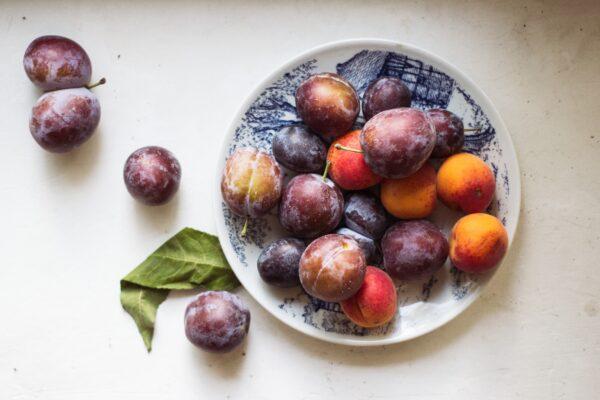
Research has demonstrated that there is power in the color purple.10 Purple- and red-colored berries are high in anthocyanins, which are secondary metabolites that plants produce to defend against predators. Anthocyanins work through a variety of pathways to exert beneficial effects on human health.They’re primarily known to address oxidative stress and reduce inflammation, which in turn helps pain control in patients with an inflammatory-driven condition, such as arthritis. The science also demonstrates the power of anthocyanins in lowering the progression of cognitive decline and protecting the heart, kidneys, and gastrointestinal tract.
“... the study showed that compounds from elderberries can directly inhibit the virus’s entry and replication in human cells and can help strengthen a person’s immune response to the virus.”
Let’s Spice Up Your Food
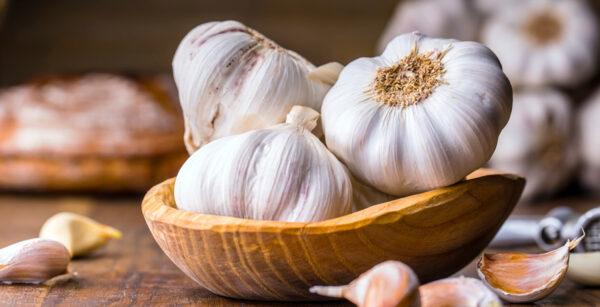
Bland food is never fun to eat. But did you know that by adding a few spices, you may reduce your pain level? Researchers have discovered that garlic, ginger, cinnamon, and turmeric are compounds that may improve pain control in people with arthritis.While the study was small and only included women, the results showed that it had a significant impact on tender and swollen joints with no changes in liver enzymes, lipid profile, fasting blood sugar, or erythrocyte sedimentation rate (ESR).
Balance Your Omega-3 and Omega-6 Fat
Historically, the human diet had an omega-6 to omega-3 ratio of close to 1:1. Yet the current Western diet is closer to a ratio of 20:1,22 which increases the inflammatory response and therefore has an impact on pain.Most processed foods and seed oils are high in omega-6 fatty acid. While there are omega-3 fats found in some plants, only marine-based fatty fish have long-chained omega-3 fats eicosatetraenoic acid (EPA) and docosahexaenoic acid (DHA) that are highly bioavailable and essential to good health.
Food Addresses Gut Health and Lowers Arthritis Pain
Finally, while no single food completely addresses gut health, most of your food choices will either support good gut health or harm it. For example, a diet high in ultra-processed foods is known to change your gut microbiome, which promotes the development of inflammatory diseases.25AhR also helps stem cells convert into mucus-producing cells in your gut lining. These cells also help extract nutrients from the foods you eat, all of which translate into improved gut function and health.
As you’ll note, there are several groups of foods that support pain control by lowering the inflammatory response and improving your gut health. Arthritis can be a difficult and life-changing condition that affects your daily activities. Consider taking these small steps to help improve your pain control without medication and take greater control of your life.
Sources and References
- 1 Arthritis Foundation, What Is Arthritis?
- 2 Cancer Research, 2000;60(5)
- 3 Science Direct, 2012;1823(8)
- 4, 5 Clinical Cancer Research, 2010;16(9)
- 6 Diabetes, 2008;57(10) Results/2nd subhead/ 1st para 35% DTP
- 7 CNN Health August 29, 2013
- 8 Live Science May 30, 2013
- 9 Arthritis & Rheumatism 2013;65(12)
- 10 Nutrients, 2022;14(10)
- 11 International Journal of Molecular Sciences, 2017;18(3)
- 12 Journal of International Medical Research, 2004;32(2)
- 13 Journal of Functional Foods,2019; 54
- 14 Science Daily April 23, 2019 para 2-5
- 15 Journal of the American College of Nutrition, 2018;37(8)
- 16 Arthritis and Rheumatism, 2001;44(11)
- 17 Phytotherapy Research, 2020; 34(11) Abstract
- 18 International Journal of Clinical Practice, 2020;24(7)
- 19 Journal of medicinal food, 2016; 19(8)
- 20 BMJ Open Sport and Exercise Medicine, 2021;7(1)
- 21 Trials, 2021;22(105)
- 22, 23 Nutrients, 2016;8(3)
- 24 Omegaquant, What Is the Omega-3 Index?
- 25 Nutrients, 2018;10(3)
- 26 Arthritis Foundation, inflammatory arthritis and gut health
- 27 Arthritis Health, October 5, 2017
- 28 Arthritis Research and Therapy, 2021; 23(42)
- 29 Oregon State University, Indole-3-Carbinol
- 30 Newsweek August 14, 2018