Long COVID has posed a challenge for doctors to treat.
Critical care specialist Dr. Paul Marik has labeled long COVID a syndrome rather than a disease due to its complicated symptoms like brain fog, fatigue, malaise, shortness of breath, tachycardia, and gastrointestinal problems, to name just a few.
The symptom clusters of long COVID have made it difficult to manage by controlling symptoms alone, leading some doctors to look for the cause of long COVID.
Light Therapy and Mitochondria Boosters
Light therapy, which includes sunlight exposure, may benefit long COVID patients experiencing fatigue and shortness of breath.California physician Dr. Jeffrey Nordella told The Epoch Times he believes that mitochondrial dysfunction is an underlying cause of many of his patients’ fatigue since mitochondria produce energy for cells.
Nordella said that supplements such as CoQ10, n-acetylcysteine, and dietary changes can help the mitochondria recover, giving the patient more energy.
Unlike ultraviolet rays that put a person at risk of melanoma, near-infrared light is noncarcinogenic and can penetrate clothes and sunscreen. Long COVID patients can get exposure to infrared light while being sun smart.
Near-infrared light triggers mitochondria to produce melatonin. Melatonin is a powerful antioxidant that can neutralize oxidants and prevent mitochondrial damage.
The brain releases melatonin from the pineal gland in the evening; it is also available as a supplement. Both signal to cells that it is time for sleep.

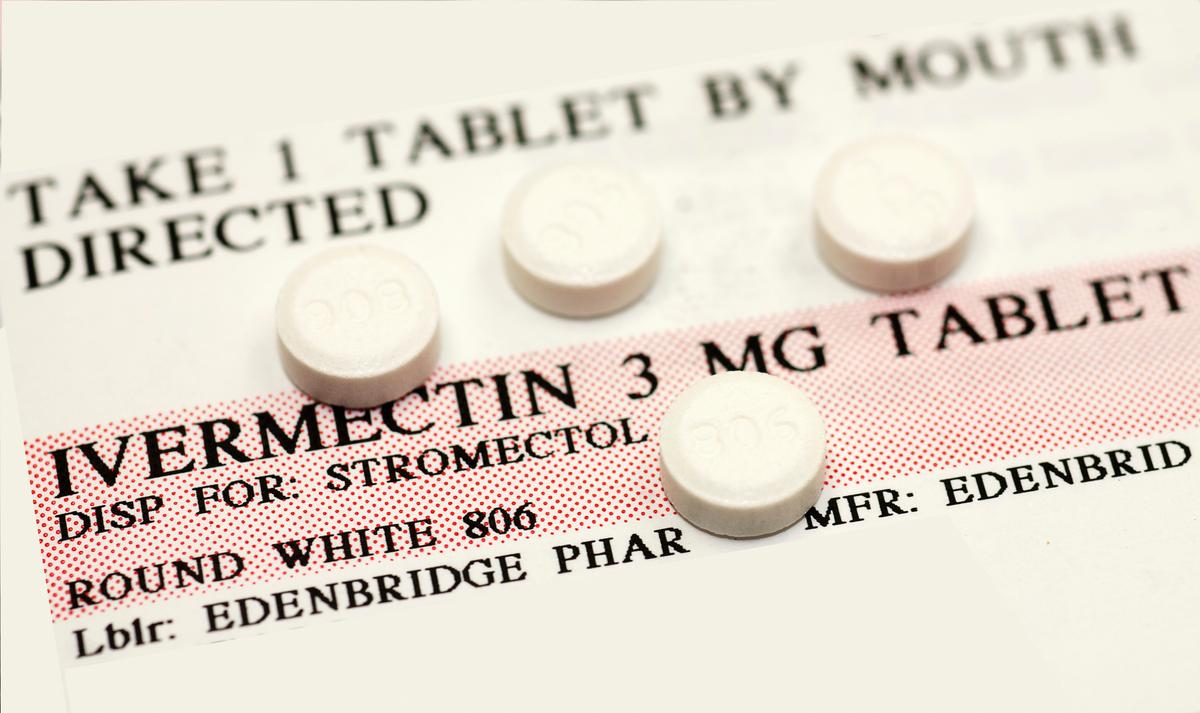
Ivermectin
Some clinicians recommend the use of ivermectin.Studies generally point to remnant spike protein as a contributor to persistent long COVID symptoms, as the spike protein may cause systemic inflammation by triggering the release of damaging cytokines.
Ivermectin also has anti-inflammatory properties.
Front Line COVID-19 Critical Care Alliance (FLCCC) co-founder Dr. Pierre Kory said that most patients tend to respond to ivermectin. For some people, it provides a dramatic change, while others notice its benefits only after they remove ivermectin from their regimen and notice a decline in health.
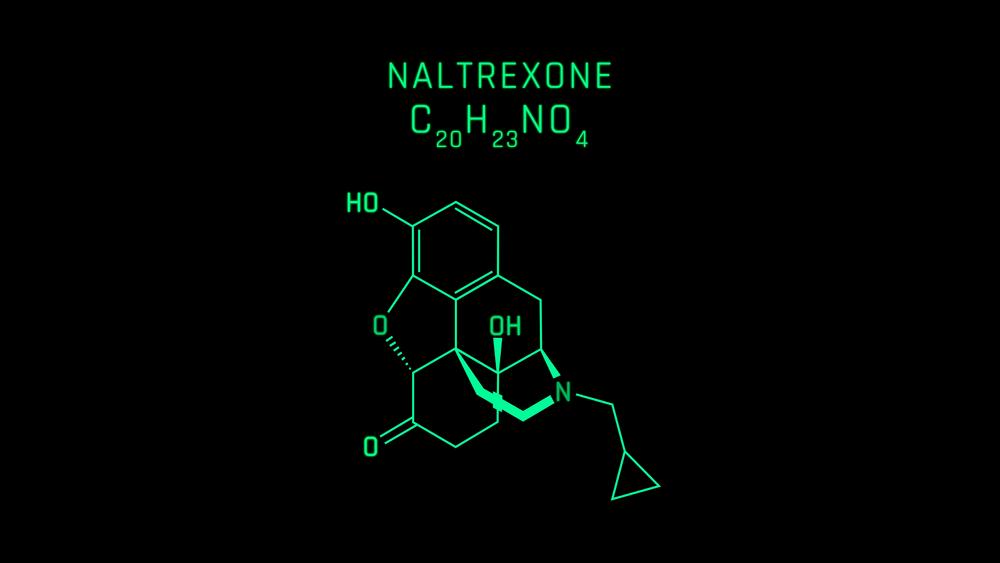
Low-Dose Naltrexone
Internal medicine physician Dr. Jessica Peatross recommends low-dose naltrexone. She believes that the drug gives the body a bit of a “reset,” rather than using medication that would lower cytokine levels, which cause a suppression of the immune response.Naltrexone is usually given as a medication to treat alcohol and opioid abuse. It can block the actions of opioids to prevent overdose.
However, when administered at a lower dose of 1 to 5 mg per pill, the drug exhibits anti-inflammatory and immunostimulant properties.
“We’ve been using it for many, many months,” said Marik. “Low-dose naltrexone is a very potent anti-inflammatory drug. It’s been used in many chronic inflammatory diseases.”
“It helps to reset everything for people, including the cytokine storm,” said Peatross.
Low-dose naltrexone can also alleviate neuroinflammation by reducing the activities of the immune cells in the brain.
In her prescription to long haulers, “It really helps with joint pains and the brain fog.”
Marik said that patients with neuralgic pain generally see significant benefits from the drug.
Probiotics
One cannot overstate the importance of a healthy gut.The gut produces most of the neurotransmitters used in the brain and is critical to an individual’s overall health and immune defense.
Hazan has found that severely infected patients and those with long COVID typically had imbalanced gut microbes, also known as gut dysbiosis. This imbalance is a common sign of ill health.
Replenishing other lost bacteria becomes difficult due to a lack of probiotic products.

Maraviroc
Maraviroc is an antiviral for HIV. It blocks an important immune receptor that triggers the release of cytokines.The drug is not approved for long COVID treatment, though doctors should be able to prescribe it off-label.
Pravastatin
Pravastatin is a statin used to lower cholesterol and triglyceride levels in the blood.“So we keep those cells [monocytes] from binding the blood vessels, it reduces the vascular inflammation, but what it also does is it makes the cells carrying [spike protein] die,” said Patterson.
Cytokine-Driven Treatment, A Topic of Debate
Data on maraviroc and pravastatin for long COVID treatment have been quite limited.Patterson said that cytokine-based treatment resolves the cause of long COVID symptoms.
However long-term data on these patients are still lacking.
Nordella, who uses IncellDx’s cytokine panel and recommended treatment as a guide for his patients, pointed out that long COVID is still a new disease.
He said it was not the best idea to medicate patients continuously; he said he was, however, hopeful that halting the inflammatory cytokines “would give symptomatic relief,” and may give the body an opportunity to recover.
Nordella also reiterated the importance “[of] uncover[ing] the exact driving force of inflammation.”
Vaccination, A Controversial Treatment Recommendation
Hazan and Peatross remarked on a phenomenon seen in rare cases: a long COVID patient reports a recovery or alleviation of symptoms after being vaccinated.Everyone’s immune system is different.
Some long COVID patients who were vaccinated said there was no change in their symptoms, while others said they felt worse.
Marik said he would not advise vaccinations for long COVID patients simply because that would increase the load of spike proteins in the body.
However, there are anecdotal cases where people have experienced relief in their symptoms after vaccination.
Justin Wilhites, aged 42, from California, who has had long COVID since March 2020, told The Epoch Times that he felt a significant improvement in his fatigue, weakness, shortness of breath, and pain for a month and a half during the period in which he received his initial shot.
However, in February 2022, a few weeks after his second primary dose, his long COVID symptoms suddenly returned, and his symptoms have persisted.
Since the onset of his long COVID symptoms in March 2020, Wilhites noticed that his symptoms have progressively worsened.
“It’s very contradictory and so puzzling for doctors,” said Peatross. “My professional opinion is that sometimes the body can find order out of chaos. Sometimes when you probe the immune system with a stressor, it’s able to find homeostasis in some people, and [for] others, the stressors are too much.”