Cholesterol may boost the immune system’s ability to fight and target tumors.
Dendritic cells act as the body’s scouts, patrolling for threats such as cancer cells and alerting the immune system to take action. To do this effectively, dendritic cells must mature and communicate with other immune cells—a process fueled by cholesterol.
How Cholesterol Fuels Immune Cells
The study, published in Nature Immunology, shows that cholesterol helps form small, cholesterol-rich structures on the surface of dendritic cells called lipid nanodomains. These hubs are vital for signaling the immune system to recognize and fight cancer.All cells in the body contain cholesterol for proper function. This cholesterol can be obtained through the diet, or the body may make its own cholesterol.
The researchers observed that without enough cholesterol, these hubs could not form properly, preventing dendritic cells from growing and limiting their ability to alert the immune system, ultimately impairing the body’s ability to detect and fight cancer.
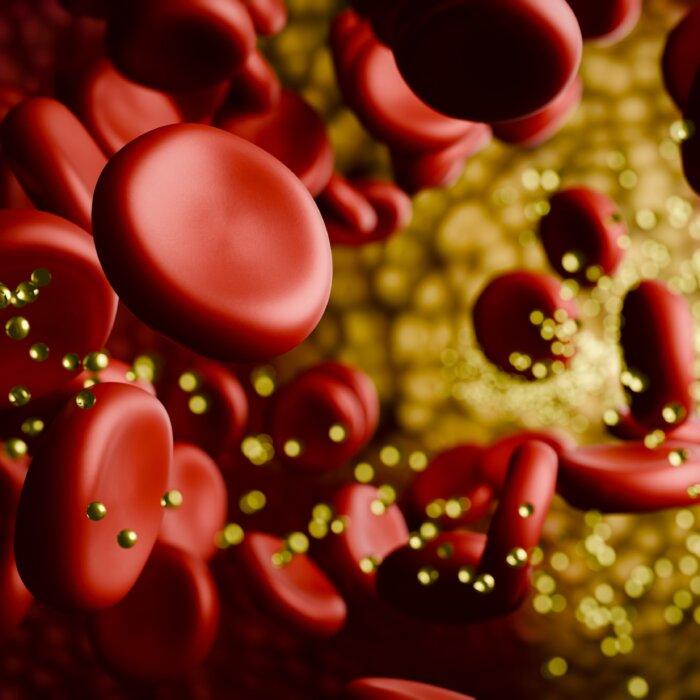
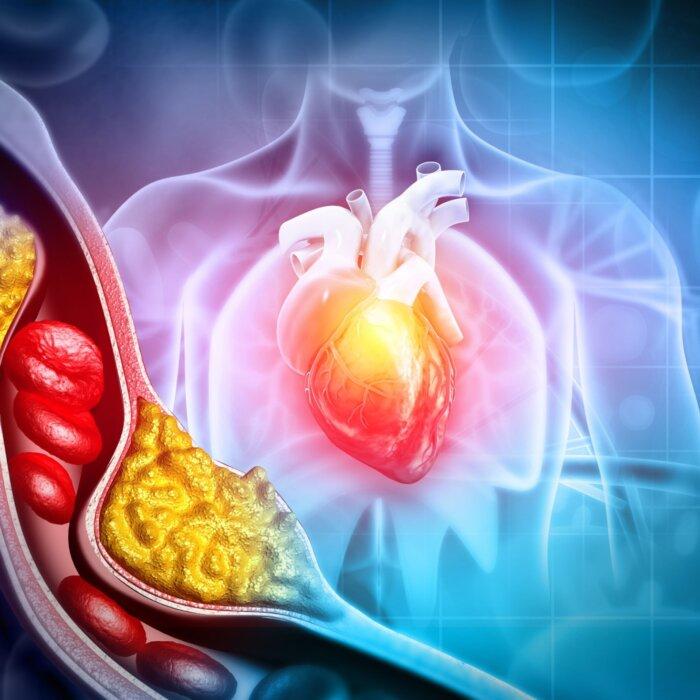
Dendritic cells use cholesterol from both neighboring (often dead or dying) cells and their own production to build structures that strengthen immune responses.
“We show that mobilization of newly acquired and synthesized cholesterol that is then trafficked and organized into lipid nanodomains on the plasma membrane is essential for cDC [dendritic cell] maturation,” the authors wrote.
A Key Regulator of Cholesterol
The researchers also discovered that manipulating the cholesterol metabolism within dendritic cells could strengthen the body’s natural immune defenses against cancer.AXL suppresses the movement of cholesterol and inhibits the assembly of lipid nanodomains, the study authors noted. This means that AXL slows down the process that helps dendritic cells grow and communicate effectively with the immune system.
Blocking AXL made dendritic cells mature faster and trigger stronger immune responses, including activating cancer-killing immune cells, producing immune-boosting signals, and improving the targeting of tumors for T-cell attack.AXL can be leveraged as a therapeutic target to enhance dendritic cell function and strengthen the body’s anti-tumor immune response, the authors wrote.
Cholesterol for Healthy Immune Function
While the study focuses on cholesterol’s role within dendritic cells, maintaining balanced cholesterol levels is important for overall immune function and can be influenced by diet and lifestyle choices.- Eat healthy fats: Focus on foods such as olive oil, avocado, fatty fish (such as salmon), and nuts, which provide good cholesterol and omega-3 fatty acids.
- Exercise regularly: Physical activity helps regulate cholesterol and supports cardiovascular health, which is tied to a stronger immune system.
- Avoid trans fats: Processed snacks, baked goods, and fried foods can raise levels of “bad” cholesterol in your blood and lower the levels of “good” cholesterol.