Story at a Glance
- Skullcap (Scutellaria barbata) is a traditional Chinese medicine (TCM) plant known in China as banzhilian.
- Researchers used DNA sequencing to uncover how skullcap produces one of its primary anti-cancer compounds, a clerodane diterpenoid known as scutebarbatine A.
- The team uncovered skullcap’s genomic sequence, revealing clues about how it produces anti-cancer compounds.
- Scutellaria barbata, known as barbed skullcap, is used in TCM cancer treatments, particularly for advanced metastatic cancers.
- There are multiple types of skullcap, and though the names are often used interchangeably, they’re different plants with unique health benefits.
Now, researchers with the Centre of Excellence for Plant and Microbial Science (CEPAMS), which is a collaboration between the Chinese Academy of Sciences (CAS) and the John Innes Centre (JIC), used DNA sequencing to uncover how skullcap produces one of its primary anti-cancer compounds, a clerodane diterpenoid known as scutebarbatine A. [2]
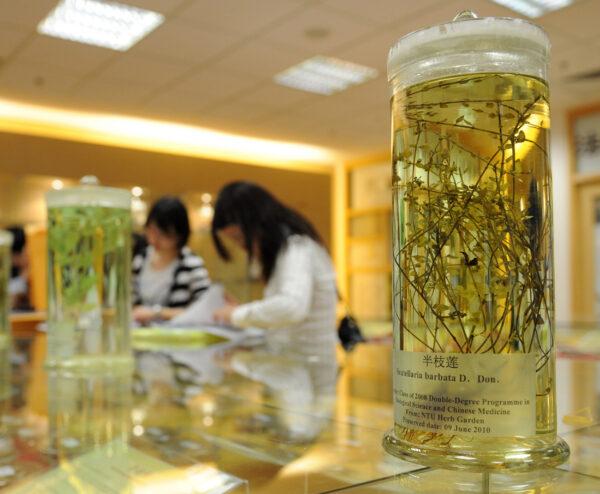
Genetic Basis for Skullcap’s Anti-Cancer Prowess Uncovered
The team uncovered skullcap’s genomic sequence, revealing clues about how it produces anti-cancer compounds. Study author Cathie Martin with JIC explained, “We have found that the primary metabolite has activity against cancer cells but not noncancer cells, which is especially important for an anti-cancer metabolite. Now we are looking to develop synthetic methods for producing more of the lead compound.” [3]While the team is hoping to create synthetic versions of the compound using a host such as yeast, skullcap has a long history of medicinal use. Scutellaria barbata, known as barbed skullcap, is used in TCM cancer treatments, particularly for advanced metastatic cancers.
Barbed Skullcap Shows Anti-Cancer Promise
Barbed skullcap, a perennial herb, is widely used in China and Korea, traditionally for its anti-inflammatory and anti-tumor properties. It contains alkaloids, flavones, polysaccharides, organic acids, and neoclerodane diterpenoids, [5] each with unique active effects.Scutebarbatine A from skullcap has been found to induce apoptosis, or cell death, in human colon cancer cells. “Scutebarbatine A promotes apoptosis specifically in cancer cells by reducing the abundance of the inhibitors of apoptosis proteins,” according to the CEPAMS team. [6]
The leaves, stems, and flowers of Scutellaria barbata are particularly rich in clerodanes like scutebarbatine A, and more than half of clerodanes known in nature have come from species of the mint family. [7]
Further, scutebarbatine A (SBT-A) from skullcap’s root has also been found to inhibit the proliferation of liver cancer cells while triggering their apoptosis. “SBT-A is a potential agent for the treatment of HCC [hepatocellular carcinoma],” researchers wrote in the Journal of Biochemical and Molecular Toxicology. [8]
Skullcap may even help prevent cancer, as research suggests it significantly reduces the risk of liver cancer in patients with chronic hepatitis B, a major risk factor for liver cancer. [9] Polysaccharides from skullcap significantly inhibit invasion and metastasis of certain human lung cancer cell lines, while SBT-A had anti-cancer effects in non-small cell lung cancer lines. [10]
Chinese Skullcap ‘Huang-Qin’ Has Antihistamine Properties
There are multiple types of skullcap, and though the names are often used interchangeably, they’re different plants with unique benefits. Compared to Scutellaria barbata, for instance, Chinese skullcap (Scutellaria baicalensis) has medicinal properties attributed to 4'-deoxy-flavones from the roots.As noted by the CEPAMS team, “Consequently, although the two Scutellaria plants are medicinally important, their therapeutic properties are based largely on different bioactive compounds.” [13] Chinese skullcap is native to China and has been used in traditional Chinese medicine for thousands of years, most notably in the treatment of diarrhea, dysentery, high blood pressure, hemorrhaging, insomnia, inflammation, and respiratory infections. [14]
Flavones in Chinese skullcap include baicalin, wogonoside, and their aglycones baicalein wogonin, which are known to have anti-cancer, antibacterial, antiviral, antioxidant, anticonvulsant, liver protective, and neuroprotective effects. When Chinese skullcap is prepared using its roots, it’s known as Huang-Qin.
It may also have anti-allergy potential, including helping to alleviate food allergy symptoms by regulating systemic immune responses of T helper (TH) cells. “These results indicate that skullcap may be a potential candidate as a preventive agent for food allergy,” according to researchers. [15]
American Skullcap Is Another Beneficial Herb
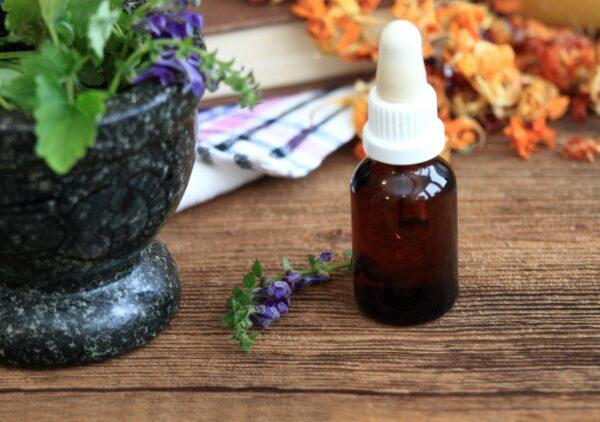
While American skullcap (Scutellaria lateriflora) also belongs to the mint family, it’s a different plant from Scutellaria baicalensis and Scutellaria barbata. During the 1800s and 1900s, American skullcap was sometimes prescribed for nervousness or related symptoms, particularly muscle spasms, irritability, sleeplessness, tremors, and restlessness. [16]Named for the close-fitting metal skull caps worn during medieval periods, which resembled the plant’s flowers, this calming herb has continued to receive praise for its stress- and anxiety-relieving effects, which it’s said to exert without some of the side effects, like drowsiness, that other relaxing herbs may cause.
Known as a nervine herb, which is one that acts on the nervous system, American skullcap has such strong relaxant effects that it’s sometimes used to treat barbiturate and tranquilizer withdrawal symptoms. [17]
Phenolic compounds, particularly flavonoids, are believed to be responsible for many of American skullcap’s beneficial effects. [18] In addition to its uses for anxiety, skullcap has shown promise as an anticonvulsant and has been shown to be effective in rodents with acute seizures. [19]
- Hypertension
- Hysteria
- Epilepsy
- Diarrhea
- Headaches
- Nervous exhaustion
- Nervous disorders of the digestive system
- Heartburn
- Fever
- Snake and insect bites
Be Careful With Skullcap Supplements
Skullcap supplements have a history of adulteration, so be sure any supplements you take come from a high-quality source. In particular, American germander, sometimes called wild germander, wood sage, and wild basil, which is potentially toxic, has been found to contaminate skullcap supplements since the 1980s, as revealed by the late botanist Steven Foster. [22]“There are those who believe that skullcap and germander can look similar because they are both members of the mint family (Lamiaceae or Labiatae). Foster, and various herbal experts, believe that their physical characteristics are distinct enough to warrant an accurate identification with the naked eye, i.e., in the field …
Many Herbs Suppress Tumor Growth
Skullcap is just one example of an herbal remedy with powerful anti-cancer effects. There are many others, with similarly promising properties. One paper reviewed the therapeutic potential of compounds isolated from herbs used in Chinese medicine, including flavonoids, terpenes, and quinones. One of the terpenes, artemisinin, which is derived from sweet wormwood, was found to have excellent anti-cancer potential. [25]Emodin, a compound found in Chinese rhubarb (Rheum palmatum), is another example. It may help prevent colon cancer, [26] confirming one of its ancient uses as an anti-cancer remedy in China. As a revered medicinal herb in TCM, Chinese rhubarb, also known as rhei or dahuang, [27] has long been prized for its antibacterial, anti-inflammatory, and anti-fibrotic properties.
- Emodin induces apoptosis and significantly inhibited the cell growth of four bladder cancer cell lines
- Emodin is anti-metastasis and has inhibited the proliferation and invasion of breast cancer cells when administered in combination with curcumin
- Emodin may reverse multidrug resistance, which is a significant obstacle to cancer treatment, and “inhibits cell growth in several types of cancer cells and regulates genes and proteins related to the control of cell apoptosis, cell invasion, metastasis, and cell cycle arrest”
How to Grow Skullcap
One of the benefits of herbal remedies is that you can often grow them at home for your personal use in teas and tinctures. Skullcap is a perennial herb, which means if you plant it correctly, it will keep coming back year after year. American skullcap prefers partial shade to full sun, [31] and typically blooms from July to October in USDA zones 3 to 9. [32]Meanwhile, Chinese skullcap flourishes in sunny areas and is known to thrive in sandy and dry soils, especially in mountains. In the United States, Chinese skullcap may do best planted as part of a rock garden. [33] Many skullcap varieties require stratifying seeds before you put them in the ground.
To do so, put the seeds in a sealed plastic bag with moistened sand (about three times as much sand as seeds) or a damp paper towel, then place them in the refrigerator for at least a week. [34] The seeds can then be started indoors (germination will take about two weeks) and moved outdoors as seedlings after the threat of frost has disappeared.
Seedlings can be planted one-inch deep into compost-amended soil. Keep them well watered and continue after the plant grows larger; they do best in moist soil. Skullcap can also be grown from cuttings or divided roots, which can be taken from a healthy, mature plant. Mature skullcap can grow to reach one to three feet tall. Once the plant blooms, it’s ready to harvest and can be used fresh or dried.