In the most unexpected way, Jenny Dunlap stumbled upon a solution for her oldest son’s attention-deficit/hyperactivity disorder (ADHD).
When her youngest child was diagnosed with Type 1 diabetes, Dunlap’s whole family stopped eating sugar and grains. After eliminating these foods, her older son, John—whose behavioral and social struggles had not been resolved with various therapies or medication—was suddenly like a different person.
“He brought home A [grades],“ Dunlap said. ”All of his teachers were happy. He was organized. His constipation went away. All sleep issues went away. There were no peer problems anymore. It was literally like a light switch.”

Power of Elimination
Some children with ADHD may benefit from avoiding certain foods, according to a review on the role of nutrition in managing ADHD. Published in Current Nutrition Reports, the review found scant evidence to support supplementing with micronutrients, probiotics, and omega-3 fatty acids.However, a diet described as a “few-foods diet” may become a therapeutic option for children with ADHD. The strategy involves eliminating most foods from the diet for a period of time and then slowly reintroducing them one at a time to see whether they trigger ADHD symptoms.
Up to 60 percent of those using the diet responded positively, the authors wrote, revealing the role food intolerance may play in ADHD symptomatology.


“This promising personalized nutrition-based approach to the management of ADHD deserves further systematic investigation and should be considered in all children with ADHD,” the authors wrote.
Official Recommendations
Currently, conventional treatment for children with ADHD involves either medication or behavioral therapy.Medication should not be a first-line treatment for preschoolers. Instead, younger children should first receive behavioral classroom interventions.
Parent training in behavior management is so effective for all children that the American Academy of Pediatrics guidelines suggest that it be recommended before pursuing an ADHD diagnosis.
Methylphenidate, a nervous system stimulant known by brand names such as Concerta and Ritalin, can be used for 4- and 5-year-olds if behavioral interventions do not result in significant improvement and if there is moderate to severe functional disturbance.
“The clinician needs to weigh the risks of starting medication before the age of 6 years against the harm of delaying treatment,” the guidelines state.
Proper Use of Medication
Dunlap was less concerned with the official guidelines and more focused on following her intuition when John was young. That meant avoiding medication as long as possible.The wild one of her three children, John often got into trouble. He lost friends and was kicked off a team sport. His teachers frequently complained, and after various vitamins, cognitive behavioral therapy, coping skills, and meditation failed, Dunlap finally relented and got the medication she had been avoiding. By then, John was in fourth grade.
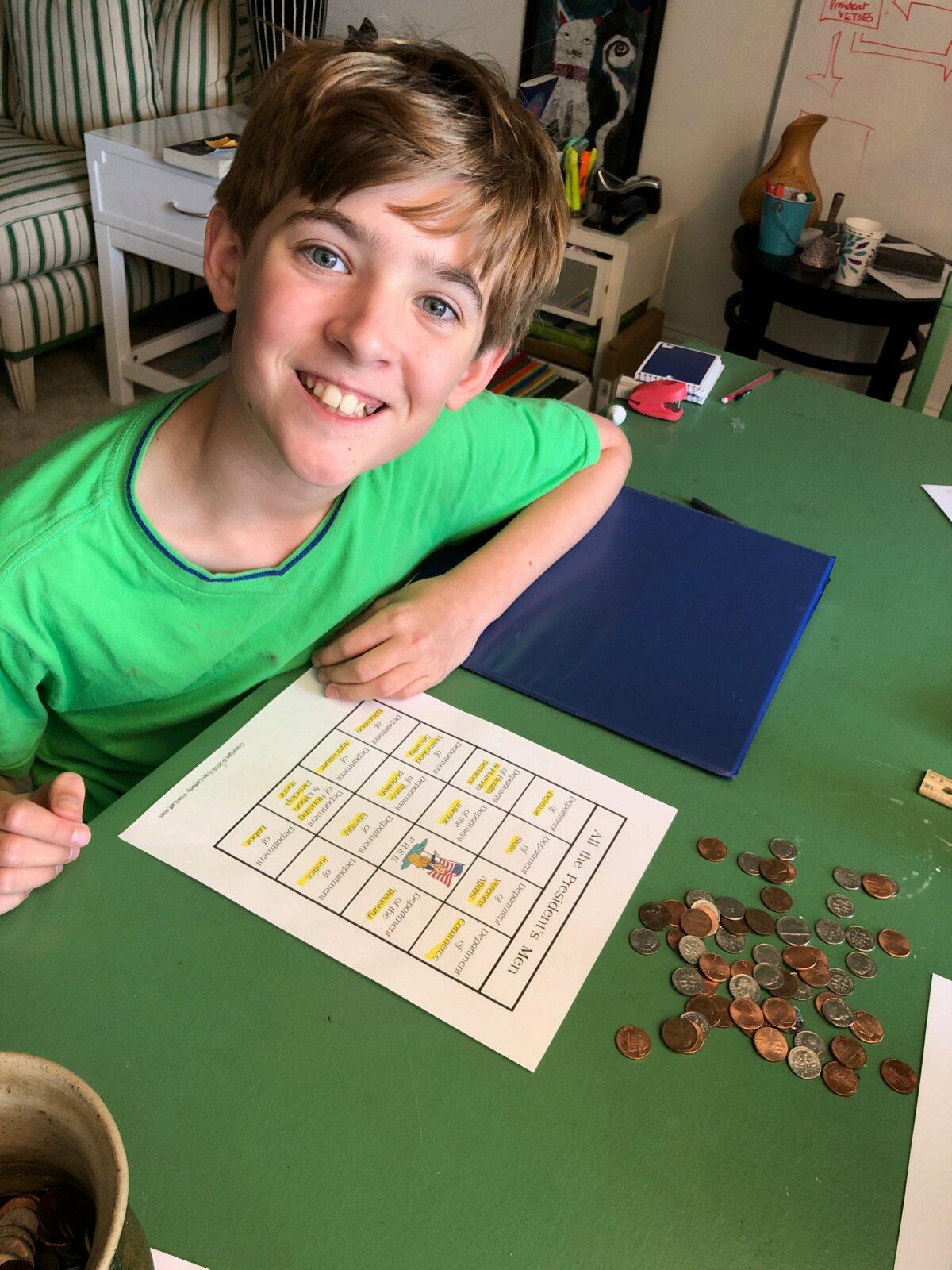

John tried several stimulant medications until he ended up on Concerta, which Dunlap described as “the best of the worst.” Still, the drug was not a panacea. John struggled emotionally and did not have optimal sleep or bowel movement habits.
Reflecting on John’s journey, Dunlap said she was frustrated that nutrition and diet were never addressed at any of the appointments John had over the years, particularly after failed cognitive behavioral therapy and continued struggles.
Food as a Root Cause?
It is conceivable that poor, sugar-laden eating patterns are driving symptoms that mimic or exacerbate ADHD, psychotherapist Karen A. Dwyer-Tesoriero told The Epoch Times.One common scenario is children who eat sugary cereals for breakfast, starting their school day with a sugar crash that causes them to act out or become lethargic and inattentive, she said.
Psychologists and researchers Bonnie J. Kaplan and Julia J. Rucklidge recommended dietary changes before counseling and family therapy.
In their book, “The Better Brain,” they wrote that mental health clinics should educate all new referrals on nutrition and how to shop for whole foods. They estimated that one-third of mental health referrals, including those with ADHD, would need no further services if they adjusted their diets.
The Ease and Affordability of Diet
A good start is eliminating artificial dyes, flavors, and additives, according to Julie Matthews, certified nutrition consultant and author of “The Personalized Autism Nutrition Plan,” a book that also covers ADHD.From there, parents can consider a gluten-free diet, dairy-free diet, or the Feingold diet, a whole food diet with no artificial colors, flavors, or preservatives that is also low in naturally occurring salicylates, a toxin produced by some plants, Matthews told The Epoch Times.
“It comes down to what is bothering the individual and removing that,” she said. “It’s a bit tragic that something so simple could make such a profound difference, and yet people are not hearing about it when it’s such an easy thing to change.”
In some cases, according to Matthews, there may be imbalances in the gut microbiome or other nutritional changes that are more difficult to pinpoint. However, in many cases, it boils down to eating a healthier diet with fewer additives.
Careful Integration of Guidelines
Medication is helpful, and it has a place among other tools.Integrative pediatrician Dr. Joel “Gator” Warsh told The Epoch Times that a careful application of ADHD recommendations should involve earnestly trying behavioral therapy and parent training before medication, particularly in younger children, as the guidelines suggest.
Cognitive behavioral therapy begins with a diagnosis that identifies a child’s unique struggles and then involves tools that target that child’s specific struggles, such as improving focus or reducing impulsivity.
Parent training is used to educate parents on the way their child’s brain works and how to best support deficiencies with tools learned in therapy.
“When symptoms remain severe—impacting safety, school performance, relationships, and daily functioning—medications can have an important role,” Warsh said. “In those cases, short-term use of stimulants, carefully monitored, can give children the ability to focus, follow routines, and begin building healthier work and life habits.”
Other Options
Besides behavioral and parental training, experts said, there are plenty of other ways to deal with symptoms such as hyperactivity, behavioral outbursts, and lack of focus, which are common in young children.Warsh suggested offering daily opportunities for vigorous play, creating more structured routines, reducing screen time, and optimizing sleep. Additionally, there could be underlying contributors such as anxiety, learning differences, and poor gut health.
Be cautious about trendy programs, he said, such as mindfulness apps and broad elimination diets, for which evidence is mixed. Consider asking about an individualized education program at school.
- Identify an exercise or movement such as dancing or stretching that your child likes and encourage it daily.
- Encourage kids to hyperfocus on something they love.
- If children start misbehaving, calmly tell them that there will be consequences, rather than reacting to intense emotions.
- Pick one battle at a time, such as working on closing cabinet doors after use. Do not work on other behaviors until they have mastered one.
- Substitute immediate rewards for behavior charts, such as offering time for video games when you notice that children have behaved well or have completed a task without asking.
- Use visual checklists for routine expectations, such as for getting dressed and ready to leave the house or for brushing teeth.
“There are a lot of careers out there that really lend themselves to ADHD,” she said. ”Our society is filled with adults who have ADHD, and it is not, for lack of a better word, like the kiss of death.”