Story at a Glance
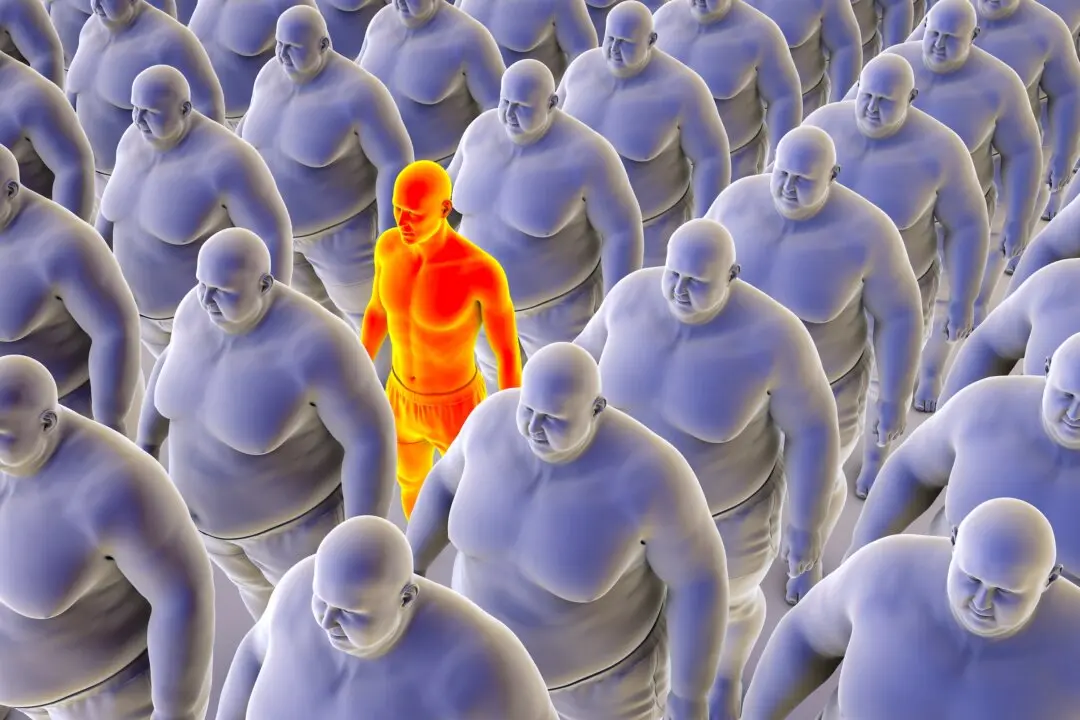
- Boosting choline, a precursor for acetylcholine, may be an important part of pain relief, but an estimated 90 percent of the U.S. population is deficient.
- Researchers from the University of Chicago revealed that targeting an acetylcholine receptor led to pain-relieving effects in mice, even in animals that were tolerant to opioids.
- The pathway did not activate the brain’s reward system, so there’s little chance of addiction, and there was no tolerance built up or withdrawal symptoms when the treatment stopped.
- Choline plays a significant role in human health, from neurotransmitter synthesis to cell structures, and may be involved in the development of nonalcoholic fatty liver disease (NAFLD), atherosclerosis, and neurological disorders.
- Krill oil and eggs, particularly the yolks, are excellent choline sources.
How Acetylcholine May Relieve Pain
Acetylcholine is an excitatory neurotransmitter that excites nerve cells, triggering them to send a message.3 A 2011 study revealed that acetylcholine decreased the activity of pain-excited neurons and increased the activity of pain-inhibited neurons in the cornu ammonis region of the hippocampus.4The University of Chicago study specifically involved an area of the brain called the ventrolateral periaqueductal gray (vlPAG), a “critical nexus” for systems involved in pain control.
“That was a huge and extremely unexpected outcome. Persistent inhibition was not on our radar at all. It was always a conundrum to me, but we saw that there is recruitment of another signaling pathway that is altering potassium channel function and causing these cells to shut down.”


“Not only do these cells relieve pain, they also accurately mirror the pain state of the organism. Through imaging methods, we can reproducibly monitor these neurons and acetylcholine in the vlPAG. This provides us a valuable biomarker for the pain state of an organism.
“This unexplored role of acetylcholine also points towards its potential involvement in the central sensitization processes that contribute to the development of chronic pain conditions. Modifying acetylcholine signaling provides an opportunity to relieve pain and prevent the establishment of the chronic pain state.”
Why Do You Need Choline?
Choline was identified in 18627 and officially recognized as an essential nutrient by the Institute of Medicine in 1998.8 It plays a significant role in human health, from neurotransmitter synthesis to cell structures, and has a large impact on the development of nonalcoholic fatty liver disease (NAFLD), atherosclerosis,9 and neurological disorders.10- Synthesis of phospholipids needed for cell membranes, including phosphatidylcholine and sphingomyelin.
- Modulating gene expression.
- Cell membrane signaling.
- Fat transport and metabolism: Choline is needed to carry cholesterol from your liver, and a choline deficiency could result in excess fat and cholesterol buildup.15
- Early brain development.
“Cholinergic neurons use the neurotransmitter acetylcholine, and Alzheimer’s disease is often treated by increasing acetylcholine levels or preventing its breakdown.”
There’s a Good Chance You’re Choline-Deficient
An estimated 90 percent of the U.S. population is deficient in choline,25 and, according to a study published in the journal Nutrients, only 8 percent of U.S. adults (including only 8.5 percent of pregnant women) are getting enough on a daily basis.26 The amount of choline you need depends on your age, sex, and whether or not you’re pregnant or nursing. Generally, the recommended intake is 425 milligrams (mg) a day for women and 550 mg/day for men.27- Endurance athletes: Endurance exercises, like marathons and triathlons, can deplete choline levels. Studies show that supplementing with choline before these types of stressful exercises can help keep levels of choline in the blood from getting too low.29,30
- People who drink a lot of alcohol: Excess alcohol consumption can increase your need for more choline while simultaneously increasing your risk of deficiency.31
- Postmenopausal women: Postmenopausal women have lower estrogen concentrations, which can increase the risk of organ dysfunction in response to a low-choline diet.32
- Vegetarians and vegans: Animal foods like beef liver, eggs, and krill oil are the highest sources of dietary choline. Because vegetarians and vegans have dietary restrictions that eliminate some or all of these choline-rich foods, it can be more difficult to get an adequate amount of the nutrient through diet alone.33
The Best Sources of Choline
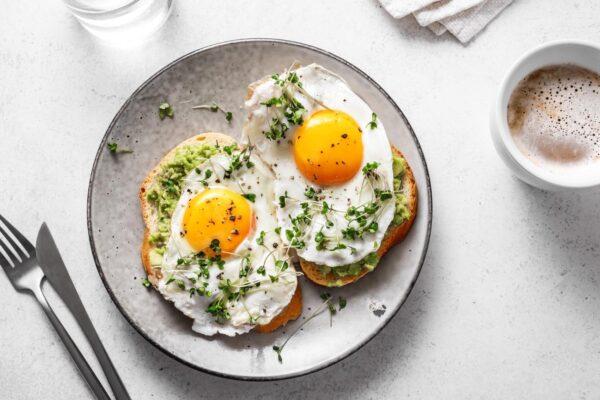
Eggs, particularly the yolks, are an excellent choline source. Among egg consumers, over 57.3 percent met the adequate intake levels for choline, compared to just 2.4 percent of people who consumed no eggs. In fact, the researchers concluded that it’s “extremely difficult” to get enough choline unless you eat eggs or take a dietary supplement.34 Other dietary sources of choline include:35- Grass-fed beef liver.
- Cauliflower.
- Atlantic cod.
- Alaskan salmon.
- Kidney beans.
- Quinoa.
- Brussels sprouts.
- Broccoli.
- Shiitake mushroom.
Enzymes may then turn TMA into trimethylamine-N-oxide (TMAO), a potential biomarker for insulin resistance and heart problems. But krill oil contains fatty acids in the form of phosphatidylcholine (PC)—unlike fish oil, which contains them in triglyceride form.
“Krill oil is increasingly recognized as a useful source of phosphatidylcholine, in addition to its acknowledged role in providing the omega-3 fatty acids EPA and DHA. In a former study, phosphatidylcholine was shown to raise plasma choline levels more efficiently compared to ingestion of free choline as choline chloride.”
More Help for the Pain Epidemic
About 21 percent of U.S. adults are suffering from chronic pain, with new cases occurring more often than new cases of other common conditions like diabetes, depression, and high blood pressure.41 If you’re among them, seek out natural options first before resorting to drugs.The solution you need depends on the underlying cause of your chronic pain. Back pain, for instance, typically responds well to exercises, chiropractic adjustments, acupuncture, and massage. Often, addressing the emotional component of your pain using tools like the Emotional Freedom Techniques is also helpful.
◇ References
- 1 Neuron November 1, 2023, 111, 1-21
- 2, 5, 6 The University of Chicago September 20, 2023
- 3, 23 Cleveland Clinic, Acetylcholine
- 4 J Neural Transm (Vienna). 2011 Apr;118(4):555-61. doi: 10.1007/s00702-010-0545-x. Epub 2011 Jan 19
- 7 Annals of Nutrition and Metabolism, 2012; 61(3)
- 8, 22 Nutrition Reviews, 2009;67(11):615–623
- 9, 11, 25 Nutr Rev. 2009 Nov; 67(11):615-623
- 10 Nutrients, 2020;12(6)
- 12, 14 National Institutes of Health, Choline
- 13 Oregon State University, Choline, Summary
- 15 J Biol Chem. 2002;277(44):42358-65
- 16 ARYA Atheroscler. 2011;7(2):78-86
- 17 JAMA. 2002;288(16):2015-22
- 18 Curr Opin Clin Nutr Metab Care. 2013;16(3):339-45
- 19 Oregon State University Linus Pauling Institute
- 20 Am J Clin Nutr. 2009;90(4):1056-60
- 21 Am J Clin Nutr. 2011;94(6):1584-91
- 24 NIH, Carnitine, Health Professional
- 26, 34 Nutrients August 5, 2017
- 27 Linus Pauling Institute, Micronutrient Information Center
- 28 FASEB J. 2014;28(7):2970-8
- 29 Eur J Appl Physiol Occup Physiol. 1993;67(1):87-91
- 30 J Am Coll Nutr. 2000;19(6):768-70
- 31 J Exp Med. 1954;100(6):615-27
- 32 Am J Clin Nutr. 2010;92(5):1113-9
- 33 BMJ NPH. 2019;0:1-4
- 35 National Institutes of Health Office of Dietary Supplements
- 36 Lipids. 2011;46(1):25-36
- 37 Nutrients. (2019) 11:2548. doi: 10.3390/nu11102548
- 38 Front. Nutr., 18 August 2020 | doi: 10.3389/fnut.2020.00133, Future Directions
- 39 Lipids Health Dis. 2015 Dec 15;14:163. doi: 10.1186/s12944-015-0162-7
- 40 Nutrients. 2019 Oct; 11(10): 2548, Discussion
- 41 National Institutes of Health May 16, 2023
- 42 Phytotherapy Research, 2020; 34(11) Abstract
- 43 Pain. 2007 May;129(1-2):210-23. doi: 10.1016/j.pain.2007.01.020. Epub 2007 Mar 1
- 44 Nutrients. 2020 Oct; 12(10): 3216
- 45 EurekAlert! November 13, 2020
- 46 BBC News February 13, 2018
- 47 Neuropsychopharmacology. 2020 Jan; 45(1): 205–216
- 48 JAMA. 2017;318(17):1661-1667