Cabbage is rich in antioxidants, making it an excellent choice for boosting immunity, especially during flu season. Additionally, the sulfur compounds in cabbage have been found to possess cancer-fighting properties. However, individuals with hypothyroidism should consume it with caution.
This article will explore the nutritional content, health benefits, and precautions for consuming cabbage.
Abundant in Vitamins and Minerals
Cabbage is rich in the following vitamins and minerals:- Vitamin C, a powerful antioxidant that enhances immune function, promotes skin health, and aids in wound healing.
- Vitamin K, which is crucial for the coagulation process and bone health.
- B vitamins, especially vitamin B6, which can improve pyrrole disorder. Pyrrole disorder is characterized by a biochemical imbalance in the body. Patients with this disorder have high levels of pyrrole in their urine, which leads to the loss of vitamin B6 and zinc. Notably, they often exhibit symptoms similar to those of mental and immune system disorders.
- Folate (vitamin B9), which is crucial for DNA synthesis and repair. It is especially vital for pregnant women, as it can prevent neural tube defects in infants.
- Potassium, magnesium, calcium, and iron. Potassium helps regulate blood pressure; magnesium supports bone health and energy production; calcium contributes to healthy bones and teeth; and iron is essential for blood production.
Antioxidant and Anti-Cancer Properties
In addition to vitamin C, cabbage contains anthocyanins and polyphenols. Oxidative stress occurs when the body’s production of oxidants exceeds its antioxidant defenses, damaging cells and tissues and causing inflammation. Oxidative stress is associated with a range of diseases, such as atherosclerosis, Alzheimer’s disease, chronic obstructive pulmonary disease (COPD), and cancer. The polyphenols and vitamin C in vegetables and fruits can help prevent and reduce oxidative damage.A study published in Annals of Oncology indicated that cruciferous vegetables such as cabbage have a preventive effect on various cancers, especially pharyngeal, esophageal, colorectal, breast, and kidney. Consuming cruciferous vegetables once a week can reduce the risk of these cancers by 17 percent to 32 percent.
In addition to antioxidants and vitamins, cruciferous vegetables’ anti-cancer effects are attributed to a bitter sulfur compound called glucosinolate. This compound is converted into potent anti-cancer isothiocyanates in the body, inhibiting tumor growth and promoting cell death in cancer and precancerous cells that could potentially develop into tumors.
A population study published in the European Journal of Clinical Nutrition found that people who consumed more cabbage had a 39 percent lower risk of developing colorectal cancer compared to those who consumed less. This study only showed the preventive effect of eating cruciferous vegetables on colorectal cancer in women.
Digestive Health Benefits: High in Dietary Fiber
The dietary fiber in cabbage contributes to intestinal health by promoting bowel movement, preventing constipation, and aiding the growth of beneficial bacteria. In addition to colorectal cancer prevention, cabbage is also helpful for conditions such as irritable bowel syndrome, Crohn’s disease, and ulcerative colitis.A recent study published in Nutrients in January showed that combining cabbage and chestnut honey can effectively improve gastric mucosal damage caused by gastritis. This is because both cabbage and honey possess antioxidant and anti-inflammatory properties. Chestnut honey is darker and has a higher polyphenol content than regular honey. Furthermore, adding honey can improve the taste of cabbage and reduce its bitterness.

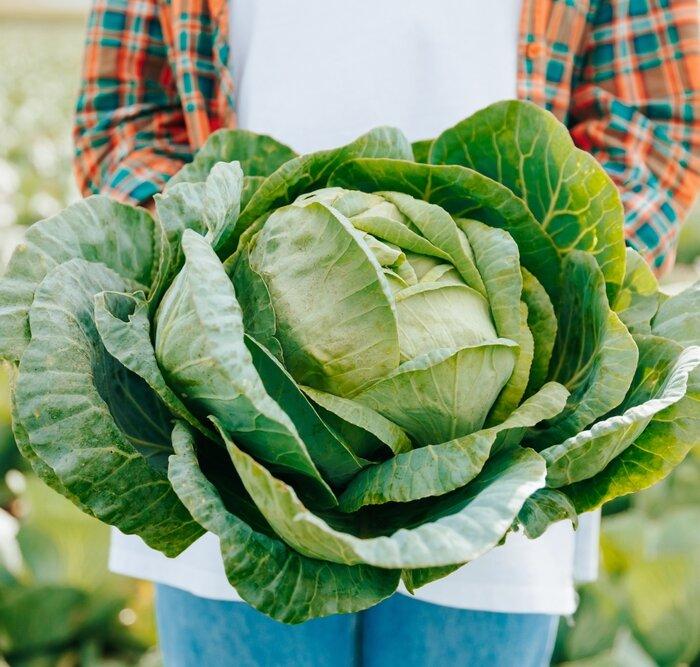
Cabbage is low in calories, making it an ideal choice for weight control. It is high in water content and dietary fiber, virtually fat-free, and helps increase satiety.
Considerations for Those With Thyroid Disorders
While cabbage is beneficial for most people, those with hypothyroidism should limit their consumption. This is because the glucosinolates in cruciferous vegetables may affect the thyroid’s absorption of iodine, essential for thyroid hormone production. Thyroid hormones are crucial for maintaining metabolism and overall body function.Consuming cabbage, cauliflower, broccoli, or other cruciferous vegetables has minimal impact on thyroid function in healthy individuals. However, for those with hypothyroidism, there is no need to avoid eating cabbage completely. Cooking methods like steaming can reduce the glucosinolate content in the vegetable. Additionally, eating more seafood, milk, eggs, and iodized salt is advisable to ensure adequate iodine intake.
Stir-Fried Cabbage With Camellia Oil for Added Benefits
Cabbage can be prepared in a variety of ways. It can be eaten raw, steamed, boiled, stewed, stir-fried, or used in salads.One good option to try is stir-frying cabbage with Camellia oil. This oil is fragrant and has a high smoke point, adding a unique flavor to the cabbage. Camellia oil is rich in monounsaturated fatty acids and contains polyphenols and other antioxidants, which can help alleviate gastritis and duodenitis. Research has shown that consuming Camellia oil can prevent oxidative damage and ulcers in the gastrointestinal tract.