
How TCM Understands Lung Health
In TCM, the lungs are considered one of the most delicate and easily affected organs. Unlike modern Western medicine, which focuses heavily on anatomy and pathology, TCM takes a more holistic view—seeing the lungs as a respiratory organ and a critical regulator of the body’s energy and defenses.
TCM recognizes five major organ systems—heart, liver, spleen, lungs, and kidneys—each of which plays a unique role in maintaining health. Among these, the lungs are considered especially sensitive to environmental changes. TCM identifies six external factors—wind, cold, heat, dampness, dryness, and fire—as potential causes of disease. Because the lungs are directly connected to the outside world through the nose and skin, they are usually the first to be affected when these harmful elements enter the body.
One of the core principles in TCM is that “the lungs govern qi and respiration.” Qi refers to the body’s vital energy—the life force that flows through invisible channels called meridians and powers all physiological processes. The lungs are responsible for drawing in clean air (or “heavenly qi”) and helping distribute this energy throughout the body.
When the lungs are functioning well, qi flows smoothly, breathing is easy, and the immune system is strong. When the lungs are weak or under attack, qi becomes disrupted, leading to fatigue, shortness of breath, coughing, or greater susceptibility to illness.
Because of this central role, TCM strongly emphasizes protecting and nourishing the lungs, especially through food, herbs, and lifestyle practices that help restore balance. Beyond easing respiratory symptoms, supporting the lungs is about strengthening the body’s entire energy system and resilience.
Common Threats to Lung Health
From a Western and TCM standpoint, the lungs are among the most vulnerable organs in the body. In modern medicine, lung conditions are often caused by infections like colds, flu, pneumonia, smoking, pollution, and inhaling harmful substances such as dust or chemicals. These factors trigger inflammation, leading to symptoms like fever, coughing, and difficulty breathing, which, in severe cases, can become life-threatening.
TCM agrees that the lungs are highly sensitive, but offers a broader interpretation of why they are so easily affected. In TCM, the lungs are known as the body’s “tender organ” because they are the most exposed to the external environment. They are responsible for managing respiration and defense, drawing in fresh air and helping to circulate qi, the body’s vital energy, while forming the first barrier against invading pathogens.
TCM emphasizes that environmental influences—such as cold air, dryness, or wind—can disturb the lungs’ balance and allow what it calls “external pathogenic factors” to enter the body. This can result in an energetic imbalance that manifests as coughing, congestion, or general fatigue.
An old Chinese proverb states, “Doctors fear treating coughs as much as builders fear finding leaks.” Just as a hidden water leak can be tricky and time-consuming to fix, coughs in TCM often reflect deeper imbalances and require a tailored, step-by-step approach to healing.
Unlike a one-size-fits-all method, TCM looks at the patient’s constitution—their overall physical and energetic makeup—as well as the stage and nature of the illness. For example, a cough caused by dryness will be treated differently from one caused by cold or heat. A personalized method helps address both the symptom and its root cause.
A Personalized Approach to Coughs: Not All Are Alike
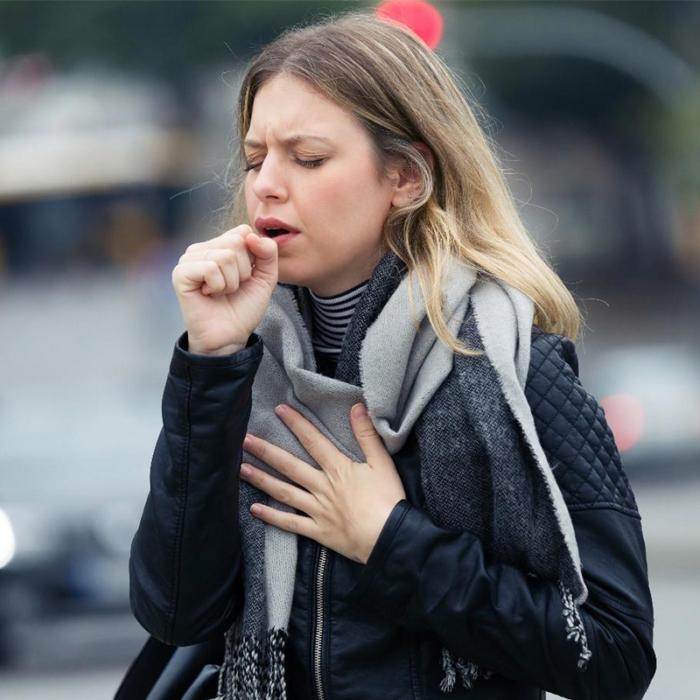
In Western medicine, a cough is typically categorized by its cause—viral, bacterial, allergic, or linked to asthma. In TCM, the diagnosis goes deeper than the pathogen itself. TCM looks at the pattern of the illness, including how it presents in the body and how it interacts with a person’s overall constitution.
This diagnostic method is called “syndrome differentiation and treatment” (bian zheng lun zhi). It means that even if two people have the same symptom—like a cough—the root causes and treatments may be entirely different depending on the energetic imbalance in their bodies.
TCM classifies most coughs into two major categories:
- Cold-type coughs: Caused by exposure to cold environments or what TCM calls “cold pathogens,” cold-type coughs often come with symptoms like clear or white mucus, chills, and a feeling of tightness in the chest. Warming remedies such as ginger or cinnamon are used to “dispel the cold” and restore balance.
- Heat-type coughs: Linked to internal heat or inflammation, heat-type coughs often present with yellow or green phlegm, sore throat, and a dry or burning sensation in the chest or throat. TCM recommends cooling herbs and foods to “clear heat” and reduce inflammation.
Sometimes, a person may develop a cold-type cough initially, but as the illness progresses, it transforms into a heat-type pattern due to inflammation in the lungs. This progression is why TCM treatments are often given in stages and adjusted as symptoms evolve.
TCM also considers that overuse of cooling medications—such as antibiotics or anti-inflammatory drugs—can push the body too far in the other direction, leading to lingering cold imbalances and chronic coughs. In those cases, restoring warmth with herbs or food therapy becomes essential.
The takeaway? In TCM, a cough isn’t just a cough—it’s a sign of an internal imbalance. Identifying the right pattern allows for a more personalized and effective treatment approach, whether through herbs, food, or lifestyle changes.
Foods and Herbs That Nourish the Lungs
TCM has long taught that what you eat can directly influence your respiratory health. Some foods soothe your throat, relieve coughing, and support deeper lung healing by restoring balance to your body’s internal energy, or qi.
TCM classifies foods by their temperature—cold, cool, warm, hot, or neutral—and flavor—sweet, sour, bitter, or pungent. Each of these traits interacts with specific organ systems, a concept known as meridian tropism. Think of it as the food “choosing a path” to target an area of your body.
Five time-tested foods and herbs help hydrate, soothe, and protect the lungs—many backed by ancient wisdom and modern research.
Pears: A Natural Moisturizer for the Lungs
Pears are known in TCM as a “cooling” fruit that soothes dryness and clears internal heat. They’re particularly helpful for dry coughs, sore throats, and thirst caused by fever or inflammation.
TCM view: Pears belong to the lung and stomach meridians, helping to generate fluids, ease phlegm, and calm coughs.
A 2021 review found that people who ate more pears had a lower incidence of asthma. Among ex-smokers, higher pear intake was associated with a 30 percent reduced risk of developing chronic obstructive pulmonary disease (COPD).Fritillaria (Bei Mu): A Trusted Herb for Cough Relief

Fritillaria is a traditional herb widely used in TCM to treat various types of coughs and lung conditions. Two commonly used varieties are Chuan Bei Mu and Zhe Bei Mu, each suited to different symptom patterns.
It can be used whether the phlegm is scant or abundant and is particularly beneficial for coughs caused by dryness in the lungs, such as those associated with autumn dryness. Common symptoms may include a persistent cough with little phlegm, difficulty expectorating, blood-streaked sputum, dryness of the mouth and nose, and a dry, scratchy throat. A traditional remedy for this condition is stewed pear with Chuan Bei Mu.
Snow Fungus (Tremella): The ‘Plant-Based Collagen’

Tremella fuciformis, commonly known as snow fungus, is sweet in flavor and neutral in nature. It is associated with the lung and stomach meridians and is known for its ability to nourish yin (hydrating energy), moisten the lungs, support stomach health, and promote fluid production.
It is commonly used for conditions such as dry coughs with scanty or blood-streaked phlegm, dryness of the mouth and throat, and yin-deficiency-related symptoms such as neurasthenia, insomnia, and vivid dreaming.
As a food and a medicinal ingredient, snow fungus is mild in nature and safe for regular consumption. It provides rich nourishment while remaining light and easy to digest, supporting overall vitality and internal balance.
Ginkgo Nut: Small Nut, Big Benefits

Ginkgo nut, also known as Bai Guo, is highly valued in TCM for its ability to enhance lung qi, relieve coughing and wheezing, reduce urinary frequency, smooth wrinkles, protect blood vessels, and improve circulation.
Regular intake of ginkgo nuts is believed to promote a healthy complexion, boost vitality, and support longevity, making them a popular health food suitable for all ages.
Lily Bulb: Lung Soother and Mood Calmer

Lily bulb is cold in nature, sweet with a slightly bitter taste, and associated with the lung, heart, and kidney meridians. Its nourishing properties are comparable to those of ginseng, offering benefits such as replenishing yin, moistening the lungs, calming the heart, soothing the mind, and relieving coughs.
It is commonly used to treat chronic dry cough, blood-streaked phlegm, sore throat, and hoarseness. It is also prescribed during the recovery phase of febrile illnesses when residual heat remains, as well as for emotional symptoms such as anxiety, palpitations, insomnia with vivid dreams, and mental restlessness.
Lily bulb is particularly suitable for menopausal women, as well as those with general weakness, neurasthenia, or sleep disturbances. However, it is not recommended for people with wind-cold coughs, cold, or weakened digestive function, or frequent loose stools.
Easy TCM-Inspired Recipes
1. Stewed Pear With Chuan Bei Mu
Ingredients:- 10 grams Chuan Bei Mu
- 1 medium-sized Chinese white pear
- Rock sugar to taste
- Soak Chuan Bei Mu in water
- Wash pear and remove core, creating a hollow space in the center
- Place soaked Chuan Bei Mu and soaking water into the hollowed-out pear
- Steam pear in a pot for about one hour
- Add rock sugar to adjust the sweetness before serving
- Decoction: Take 3 to 10 grams of Chuan Bei Mu, decoct in water, and drink once daily.
- Powdered form: Grind Chuan Bei Mu into a fine powder and take 1 to 2 grams once daily.
Once the cough improves, Chuan Bei Mu should be discontinued, as its cooling properties may trigger coughing if overused.
2. Snow Fungus and Ginkgo Dessert
Ingredients:- 15 grams ginkgo nuts
- 20 grams snow fungus
- 10 grams rock sugar
- Remove shells and inner cores from ginkgo nuts. Rinse thoroughly.
- Clean snow fungus, soak until soft, trim off tough stem, and tear into small pieces.
- Place the ginkgo nuts and snow fungus into a pot with water. Bring to a boil over medium heat.
- Lower the heat and simmer for about one hour. Add rock sugar and stir until dissolved.
Final Thoughts
Whether you’re dealing with a lingering cough, recovering from illness, or simply seeking stronger lung health, TCM offers a rich, natural path to healing. Understanding your body’s patterns and choosing the right herbs and foods can calm inflammation, hydrate your lungs, and boost immunity—without relying solely on pharmaceuticals.
In the TCM tradition, food is medicine. When chosen with care, the right ingredients don’t just silence your cough—they restore harmony and vitality throughout your entire body.
Some of these herbs may be unfamiliar, but many are available at health food or Asian grocery stores. Since each person’s condition is unique, consult a qualified doctor for personalized treatment.