Thinning hair and a receding hairline may be more than signs of age—they could also be the result of what you are eating.
In an interview on “Health 1+1” on NTD, a sister outlet of The Epoch Times, Tsai Yi-fang, a nutritionist at KOII Nutrition Taiwan, said that for hair to grow well, hair follicles need a stable supply of nutrients, including protein, vitamin D, iron, and zinc. A diet that consistently favors sweets, sugary drinks, fried foods, and processed foods can damage hair follicles.
Hair Needs 4 Essential Nutrients
Hair follicles depend on a steady supply of key nutrients to support healthy growth and reduce the risk of thinning.
1. Keratin
The main component of hair is keratin, so protein is the most basic building block for hair follicle growth. Most people can meet their needs by eating high-quality protein from eggs, fish, lean meat, and tofu, Tsai said. Older people with smaller appetites and insufficient protein intake can discuss the need for protein supplementation with a healthcare professional.

2. Vitamin D
3. Iron
Women are more prone to iron deficiency due to menstrual blood loss, especially those with heavy periods or those who eat less meat. Significant hair loss and frequent fatigue could indicate a need to check ferritin levels, which reflect the body’s iron stores.
4. Zinc
Zinc is involved in protein synthesis, and men, who typically have higher muscle mass and metabolic needs, require more zinc. Meat, seafood—especially oysters—eggs, beans, and nuts are all good sources of zinc.
“Before choosing health supplements, [for hair loss] I think everyone should get a blood test first,” Tsai said. A blood test can reveal deficiencies in nutrients such as vitamin D, iron, and zinc, allowing for targeted supplementation.
Deficiencies in nutrients such as iron, zinc, vitamin A, biotin, and selenium can affect hair health, but excessive supplementation can also cause side effects. For example, excessive selenium may actually cause hair loss, she said.
A Nutritionist’s Hair-Nourishing Diet
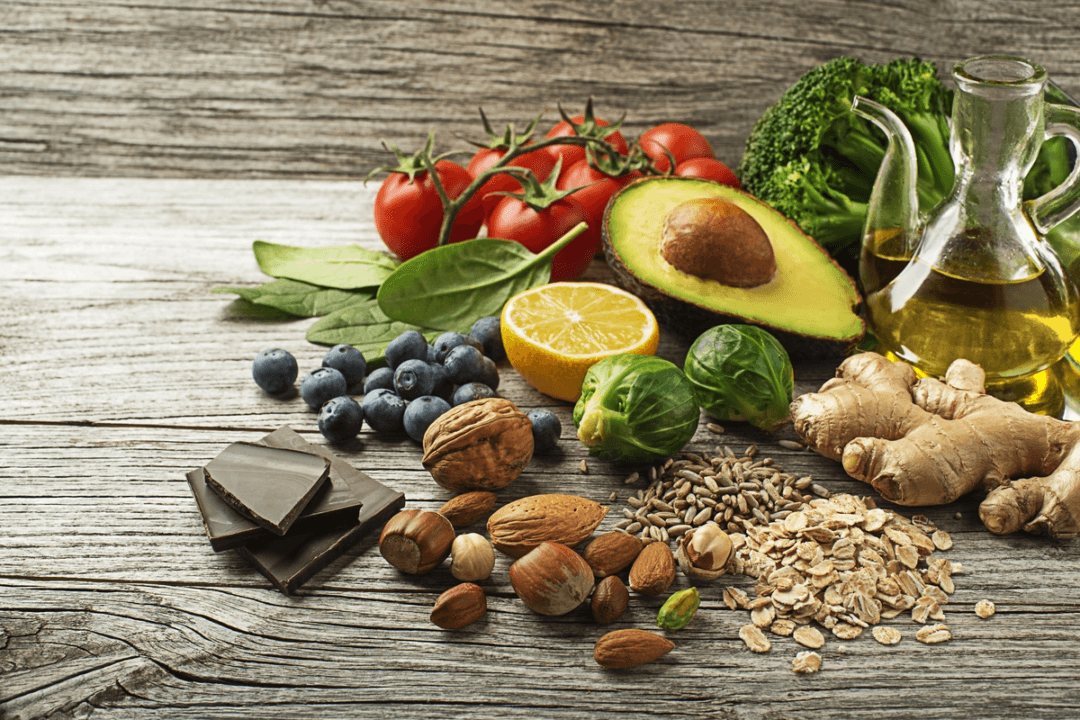
Healthy hair does not require expensive supplements; a balanced diet and attention to certain key foods may be sufficient.
Tsai recommends eating seafood at least once a week. Oysters, mussels, shrimp, and fish are excellent sources of zinc, she said.
Moderate amounts of lean meats such as beef, pork, and lamb provide high-quality protein, iron, and zinc. Eggs are also beneficial for hair health, providing protein, biotin, vitamins A and B, and iron.
Dark green vegetables such as spinach and broccoli, as well as red and yellow vegetables such as carrots, pumpkin, and bell peppers, provide vitamin A precursors and various phytochemicals (compounds naturally found in plants). When cooking, use vegetable oils such as olive oil, avocado oil, and sesame oil to provide vitamin E and essential fatty acids.
4 Types of Food to Avoid for Healthier Hair
Nourishing the hair requires reducing certain foods that can negatively affect hair follicle health.
1. Sugar
2. Ultra-Processed Foods
These foods are high in oil, salt, sugar, and additives, and should not be eaten in place of healthy protein, vegetables, and whole grains.
3. Saturated Fats
Including moderate amounts in the diet is fine, Tsai said, but fried foods and high-oil diets can contribute to an oily scalp and clog hair follicles.
4. Raw Egg Whites
Raw egg whites may affect biotin absorption, so it is best to avoid eating them raw. Biotin is a B vitamin that helps the body metabolize nutrients such as fats and proteins. Although biotin deficiency is rare, it may lead to thinning hair.
Other Causes of Hair Loss
While diet is crucial for maintaining healthy hair follicles, not all types of hair loss can be improved through diet, Tsai said. Male pattern baldness is also related to hormones and genetics. Stress is another common trigger for hair loss, potentially causing hair follicles to enter the resting phase prematurely.
People prone to hair loss due to genetics or hormonal factors should maintain a balanced diet, regular sleep schedule, and appropriate stress management to help maintain healthy hair follicles, she said.
If you experience sudden, significant hair loss, circular bald patches, or a red, swollen, and painful scalp, seek medical attention as soon as possible. The same applies if hair loss is accompanied by fatigue, menstrual irregularities, or significant weight changes, as these symptoms may point to an underlying condition such as thyroid disease, anemia, or an immune disorder.