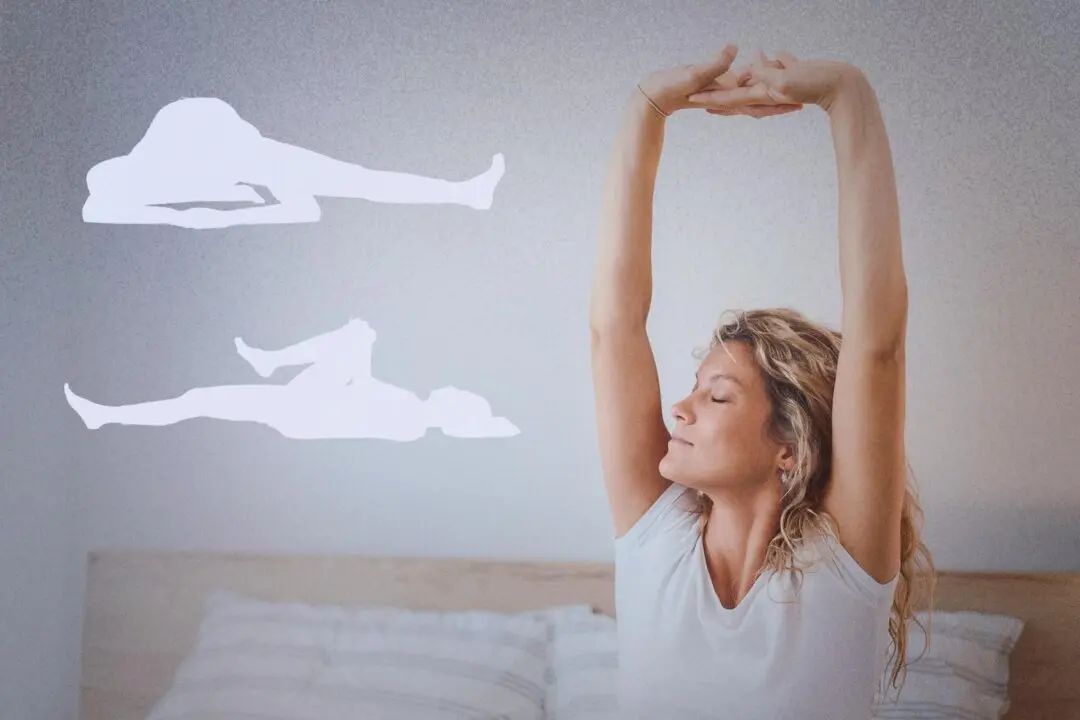
For many older adults, mornings can be tough. Stiff joints, tight muscles, and a heavy, sluggish feeling often greet them before their feet even touch the floor. That’s where simple reverse exercises for the hands and legs come in—they help loosen up the body and ease into the day feeling refreshed.
3 Causes of Muscle and Joint Stiffness
Chen Chaolong, director of We-Care Traditional Chinese Medicine Clinic in Taiwan, explains that morning muscle and joint stiffness may stem from three conditions:- Excessive fatigue: Overexertion the previous day can lead to delayed onset muscle soreness, causing muscle tightness and stiffness.
- Cold or physical discomfort: Catching a cold or being exposed to chilly conditions may trigger muscle tension and joint stiffness.
- Injury-related swelling: Swelling from an injury can lead to muscle and joint stiffness.
3 Common Spots for Muscle and Joint Stiffness
Chen notes that clinical observations indicate morning stiffness most frequently occurs in the following three areas:- Fingers: After waking up, hands may feel inflexible and unable to bend. Chefs, homemakers, and those who work long hours on a keyboard often have hand-related issues such as carpal tunnel syndrome and stenosing tenosynovitis.
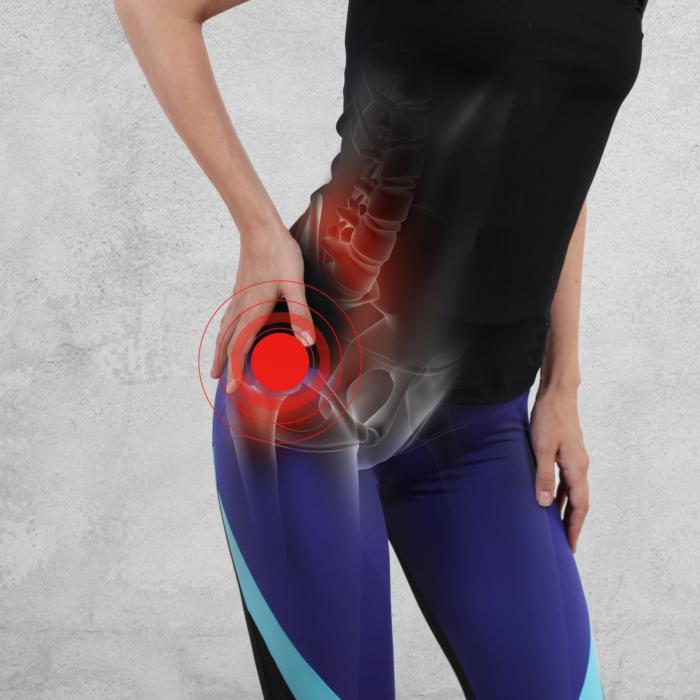
- Hip and thigh muscle groups: When the thighs or hips are heavily strained, delayed onset muscle soreness can occur after overuse, potentially leading to excessive muscle tightness.
- Knees: In those with chronic inflammation or arthritis, fluid seepage or swelling around the joints during sleep can cause tension in the surrounding muscle tissue, making the knees particularly prone to morning stiffness and discomfort.
Reverse Exercises to Combat Muscle Tightness
The human body is not suited to maintaining the same posture for extended periods, especially in areas with less muscle mass, such as the fingers, which are more prone to fatigue and tightness. Performing exercises in the opposite direction of daily movements for specific joints or muscles can help improve joint mobility and stability, alleviating muscle tension and stiffness.Chen recommends practicing the following reverse exercises to help prevent and relieve stiffness and discomfort in the upper and lower limbs:
1. Finger Flick Exercise
Step 1: Clench both hands into fists.Step 2: Flick your fingers outward forcefully, as if shaking water off your hands after washing, extending all five fingers as straight as possible.
Step 3: Repeat the flicking motion every 1-2 seconds with effort, performing 20-30 repetitions.
2. Wrist Flexion Exercise
Step 1: Extend both arms straight out, parallel to the ground.Step 2: Extend all fingers straight, then slowly bend them downward, and return to the original position. Repeat 30 to 50 times.
The finger flexor and wrist extensor muscles govern finger bending and wrist extension. Engaging in finger flick and wrist flexion exercises can effectively relax these muscle groups, alleviating stiffness and discomfort associated with conditions such as trigger finger, carpal tunnel syndrome, and stenosing tenosynovitis.
3. Vajrasana (Diamond Pose)
Step 1: Kneel on the ground with both knees together and the tops of the feet (instep) touching the ground.Step 2: Slowly lower your buttocks to sit on your heels, keeping your back straight.
Diamond pose effectively stretches the anterior tibialis muscle located on the front of the shin and increases ankle mobility. It is also beneficial for relieving symptoms of plantar fasciitis.
4. Child’s Pose (Balasana)
Step 1: Start from the Vajrasana position, kneeling with buttocks on heels. Bend your body forward, bringing your head toward your knees.Step 2: Either wrap your arms around your head or extend them straight forward. Hold the pose for 30 seconds.
This exercise helps ease tension in the back and hip muscles, encouraging whole-body relaxation and reducing physical exhaustion.
Gentle, targeted movement in the morning relieves stiffness, stimulates circulation, activates muscles, and sets a positive tone for the rest of the day. By listening to your body and integrating these simple reverse exercises, you can turn slow, achy mornings into a more flexible and energized start.
Views expressed in this article are the opinions of the author and do not necessarily reflect the views of The Epoch Times. Epoch Health welcomes professional discussion and friendly debate. To submit an opinion piece, please follow these guidelines and submit through our form here.