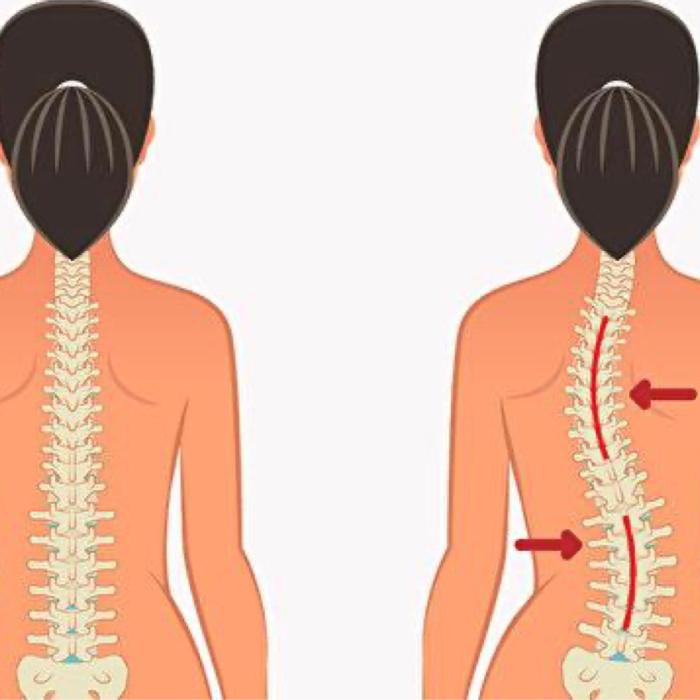
4 Treatment Methods for Scoliosis
1. Braces
Back braces are recommended for periods when scoliosis rapidly worsens, especially for children experiencing rapid bone growth and for adults with spinal instability and degeneration after middle age. Their scoliosis may worsen quickly, and braces can help cushion or halt further deterioration of the spinal curvature.2. Pain Management
Pain is likely to occur when scoliosis causes the tissues around the spine to bear asymmetric pressure for an extended period. Severe pain may worsen scoliosis and diminish the effectiveness of spinal correction. At this stage, treating the pain becomes a priority. Of course, using the correct method to address the condition is the fundamental solution.3. Surgery
The medical consensus suggests that children with thoracic scoliosis exceeding 45 degrees, lumbar scoliosis exceeding 40 degrees, or adults with scoliosis exceeding 50 degrees should undergo scoliosis surgery. However, different ages and surgical approaches may entail different risks, so careful consideration is essential.4. Exercises
Most exercises focus on enhancing bodily functions rather than bringing about structural changes. For example, they aim to improve muscle strength, flexibility, cardiopulmonary function, and stamina. While these exercises may lead to structural changes such as muscle growth and fat reduction, they do not significantly improve body misalignment or scoliosis degree. These exercises include yoga, stretching, Pilates, weight training, core training, aerobic exercise, swimming, and more.The most effective exercise programs for improving scoliosis involve actively training the brain to control body movements. This requires precise coordination of different body areas and movements to correct the deviation direction of scoliosis, improve posture, and correct the degree of curvature. These programs, such as the Schroth Method from Germany and the SEAS Method from Italy, require the guidance of a professional spinal correction therapist for assessment and treatment.
3 Self-Correction Exercises for Scoliosis
1. Cupping-Enhanced Postural Exercise
This exercise utilizes the cupping therapy developed by Dr. Shiyuan Zhong, a Chinese orthopedic expert, and effectively treats structural scoliosis. This exercise relaxes tense muscles and myofascia on both sides of the spine, correcting scoliosis. It also enhances muscle strength, contributing to spinal stability.Cupping therapy utilizes silicone cups that can be suctioned onto the skin and do not fall off during exercise. Using cupping to lift the muscles in the treatment area can enhance the effectiveness of this spinal health exercise.
Attach 12 cupping cups to the upper back, lower back, and back of the knees.
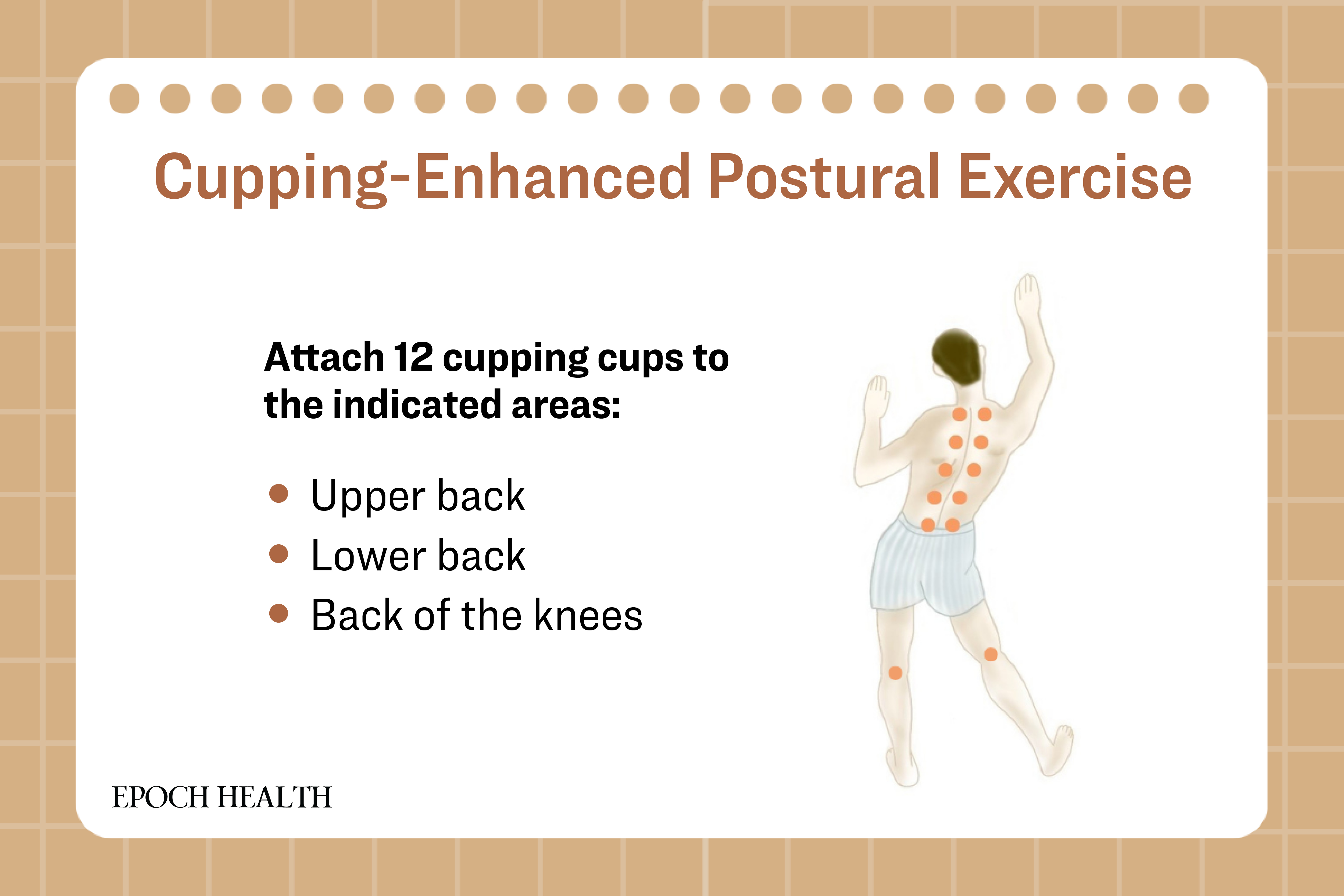 Attach 12 cupping cups to the back, lower back, and back of the knees. (The Epoch Times)[/caption]
- Stand with feet shoulder-width apart.
- Raise both arms overhead, keeping upper arms parallel to the shoulders, and bend both elbows to 90 degrees.
- Lift the right hand to the right upper side while tilting the hips to the left.
- Then, lift the left hand to the left upper side while tilting the hips to the right, simultaneously returning the right hand to the original position.
- Alternate sides, repeating for about 5 minutes.
2. Caterpillar Exercise
Lie flat on your back with both arms raised and placed on each side of your head while pressing down with both feet.- Sway your body from side to side like a caterpillar, moving your entire spine back and forth 10 times.
- Flex both feet, pointing the toes toward your body.
- Perform steps 1 and 2 a total of 5 times.
3. Hip Sway Exercise
Lie flat on your back with both legs elevated, place your hands on your waist, and lift your hips off the ground.- Place both hands on the upper edge of the pelvis (around belt level) and use this point as a pivot. Sway your hips from side to side (avoiding vertical movement) 10 times.
- Move both hands up by 2 finger widths, then sway your hips from side to side 10 times. Repeat step 1.
- Move both hands down by 2 finger widths, then sway your hips from side to side 10 times. Repeat step 1.
This exercise primarily targets local lumbar scoliosis and strengthens the core muscles. It also helps release tension in the muscles, joints, ligaments, and myofascia on both sides of the spine. Patients with long-term lumbar scoliosis have reported improvements in their condition and reduced pressure on the lower back and legs after practicing this exercise for over a week.
6 Habits for Scoliosis Prevention
1. Maintain Good Posture
Poor posture is not a known cause of scoliosis, but addressing or preventing scoliosis progression must begin with posture. Learning how to sit, stand, walk, and move the body correctly is crucial for scoliosis patients and often involves relearning basic movements, much like a baby. Most cases of adult-onset scoliosis are degenerative, and maintaining good posture helps reduce spinal stress, preventing scoliosis formation.2. Get Moving
It is important not to remain in one posture for too long, as the spine, especially in individuals with scoliosis, is subjected to asymmetrical pressure even in optimal postures. Prolonged periods of writing, reading, or using electronic devices often result in poor posture. Therefore, children must learn and adopt several alternative postures.3. Monitor Sleeping Posture
Good sleeping posture cannot correct scoliosis, but we must avoid sleeping positions that could worsen it. For instance, sleeping on your stomach is particularly harmful as it increases pressure on the cervical spine and can cause the thoracic spine to sag forward, intensifying asymmetrical pressure and escalating the risk of scoliosis progression. When sleeping on your side, it is best to bend both legs and avoid crossing one leg over the other, as this can result in pelvic tilt and lumbar scoliosis.4. Avoid Carrying Heavy Objects on Your Back
Supporting the body’s weight is already a significant burden on the spine of scoliosis patients. Carrying heavy loads further accelerates muscle fatigue and increases asymmetrical pressure on the bones and intervertebral discs, worsening the curvature. Given the trend of school bags becoming increasingly heavy for children nowadays, limiting the weight they carry to no more than 10 percent of their body weight is necessary.5. Limit Certain Types of Exercise
Avoid long-distance running, trampolining, ballet, and rhythmic gymnastics, as they can increase asymmetrical pressure on the spine.I have a patient who is a high school student and practices gymnastics. Fortunately, she is flexible and adapts quickly. After practicing the caterpillar exercise mentioned above, her scoliosis promptly improved.