Many of our physiological processes follow an instruction manual—our cellular DNA. However, DNA is susceptible to damage, which can accelerate aging and result in diseases such as cancer. So how can we prevent, mitigate, or even repair DNA damage?
If you were to unwind human DNA, it would be approximately two meters long; it’s structured like a long, twisted ladder, about 10 micrometers in diameter, and coiled within cells’ nuclei.
DNA carries the instructions necessary for human development, survival, and reproduction. Our cells read these instructions to produce various proteins essential for life processes. For example, DNA serves as a guide for cells to produce various hormones, including insulin.
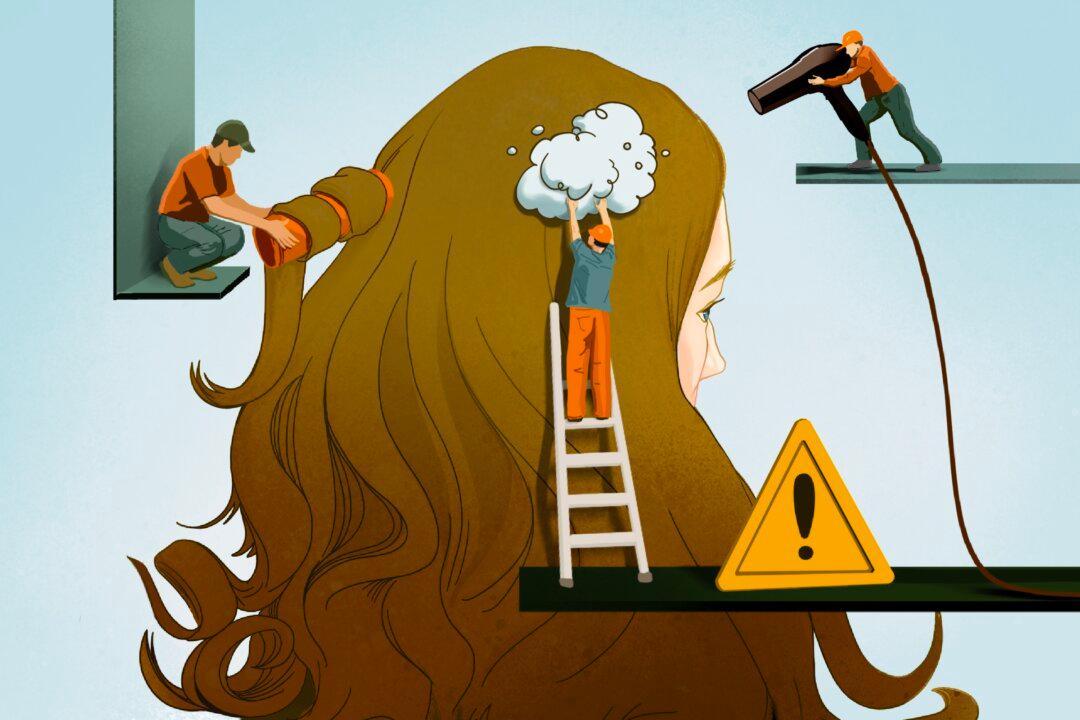
DNA is actually quite fragile. Even though it resides within the cell nucleus, it’s constantly exposed to threats and susceptible to damage.
Damage From the External Environment
Ultraviolet radiation, ionizing radiation, chemical toxins, air pollution, and tobacco smoke, among other factors, can cause DNA damage.“When the DNA is damaged, the instructions can be corrupted, and the proteins that are made can be abnormal, or not made at all,” Dr. William Li, president and medical director of the Angiogenesis Foundation and bestselling author of “Eat to Beat Disease: The New Science of How Your Body Can Heal Itself,” told The Epoch Times.
“This DNA damage is the basis for mutations in our cells that can ultimately lead to cancers forming in our organs. This is why repeated sunburn, or chemical exposure, or cigarette smoking, for example, often leads to cancer.”
Man-made radiation and naturally occurring cosmic radiation, which we are protected from by the Earth’s atmosphere, can also contribute to cancer, Lu said.
Damage From Within the Cell
In addition to damage from the external environment, DNA faces various threats from within the cells.Metabolism converts nutrients into energy and vital substances to sustain life, but other byproducts, such as reactive oxygen species (ROS), are also generated during this process.
“ROS are classified as free radicals, and they are not a single substance but rather a category of substances,” Lu said.
“Think of DNA as a ball of yarn in which the fibers are perfectly twisted together,” Li said. “Think of free radicals and ROS like metal pins that can snag, pull, and cut the yarn so the fibers are broken and untwisted.”
DNA Repair Mechanisms in the Human Body
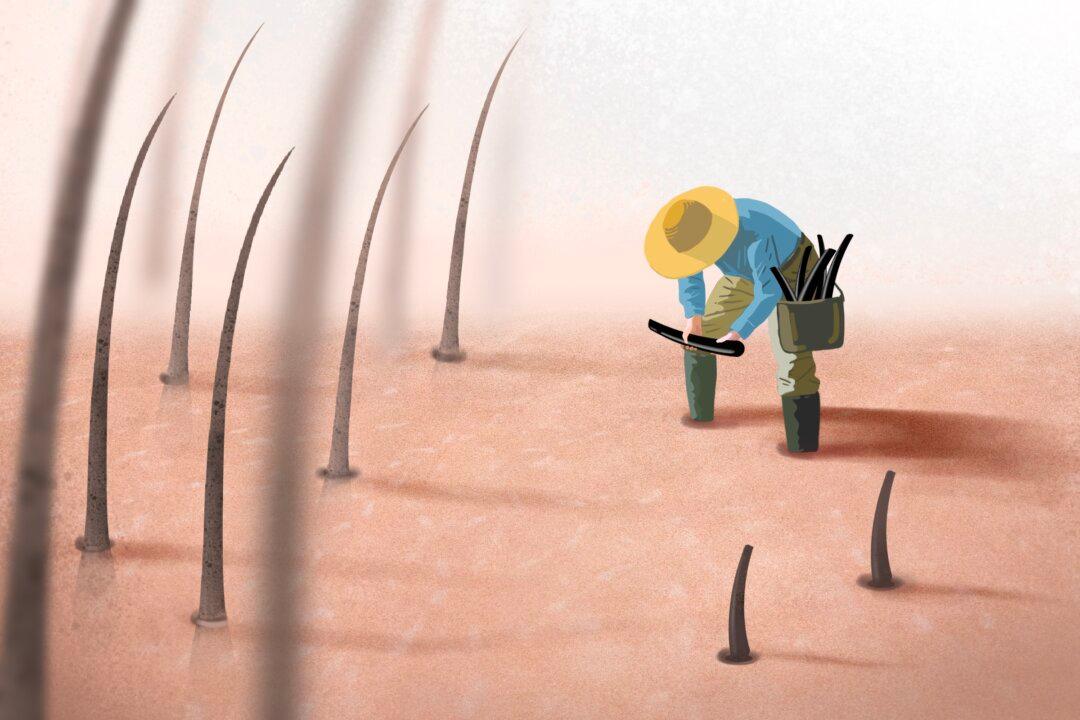
“There are repair mechanisms in our bodies, so generally, there are no issues,” Lu said. “Within the cells, specific enzymes continuously monitor and assess the condition of DNA. If any damage is detected, they will recruit specific proteins to repair the DNA.”Enzymes in cells act like scissors, trimming off the damaged sections of DNA and replacing them with the correct structure and sequence. “Our DNA is hardwired to defend and protect itself,” Li wrote in his book “Eat to Beat Disease.”
Why ROS Are Important for Health
Although ROS can damage DNA, they are essential to human health.It’s a misconception that ROS and free radicals are entirely harmful substances, Lu said.
Although they can cause damage, they are crucial in maintaining cellular and physiological functions. For example, they aid in clearing cellular debris within the body.
Hydrogen peroxide is an example of an ROS produced during cellular respiration. It serves as a vital signaling molecule, playing a significant role in the body’s immune defense. Another ROS, nitric oxide, is well known for its physiological functions in expanding blood vessels and increasing blood flow. It also acts as a signaling molecule and contributes to the body’s innate immune defense in conjunction with hydrogen peroxide.
Nutrients Can Help Protect DNA
As we age, the antioxidant capacity of cells may decline. In certain disease conditions, such as infections and inflammation, the increase in the production of ROS and other oxidants may surpass the antioxidant capacity, leading to a state known as oxidative stress.This condition can be exacerbated by factors such as air pollution, chemicals, highly processed foods, high-fat diets, stress, tobacco smoke, and alcohol.
“The effect of these bioactives is to neutralize the free radicals, so they are no longer able to damage DNA and cells. This function of neutralizing free radicals is known as antioxidation,” Li said.
Vitamins A, C, and E
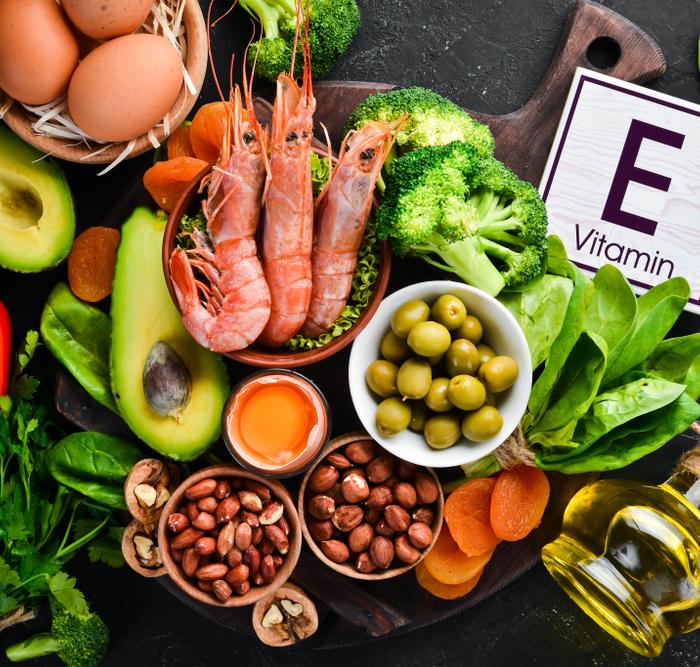
Vitamins A, C, and E are antioxidants that can eliminate free radicals within cells, preventing or reducing damage caused by oxidation. They are abundant in various fruits and vegetables.Lycopene
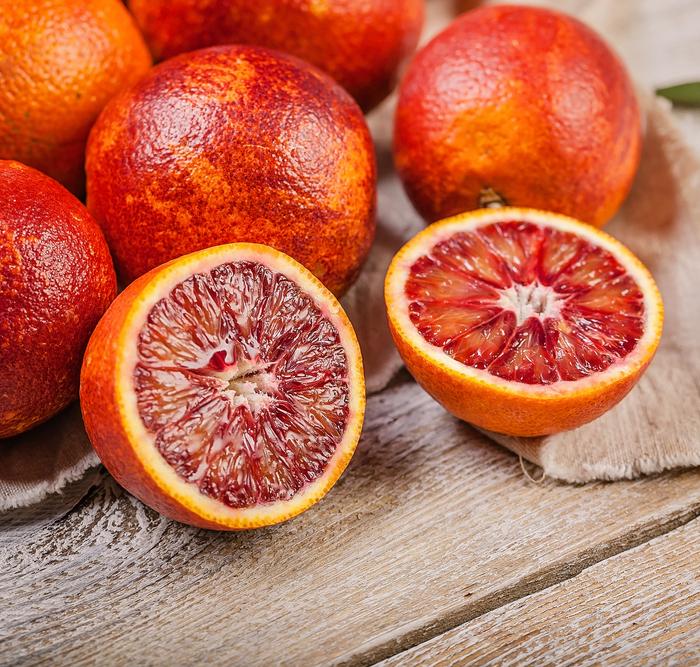
Red-colored fruits and vegetables such as tomatoes, apricots, pink grapefruit, and watermelons are rich in the antioxidant lycopene.Flavonoids
Apples, grapes, citrus fruits, berries, onions, olive oil, and tea are rich in flavonoids, which exhibit antioxidant effects.Should We Take Antioxidant Supplements?
When it comes to antioxidant effects, people often think of antioxidant supplements.“Supplements are attempts to put together in a capsule or pill bioactive chemicals that have antioxidant effects. They can be helpful, but it is impossible to replicate enormous amounts of the bioactives present in fruits and vegetables,” Li said.
Eating whole foods is the best approach to protecting your DNA against oxidative stress and damage from free radicals, he said
Lu also warned against taking supplements to get these antioxidants. “Consuming more fruits to obtain antioxidant benefits is fine, but I personally recommend being extremely careful with antioxidant supplements. It’s best not to take them blindly, as they could potentially cause significant harm to the body.”
“Based on the data I have seen and my own research experience, I firmly believe that the harm caused by blindly taking such health products far outweighs the benefits,” Lu said.
He believes that maintaining a healthy, balanced lifestyle, including a proper diet, positive emotions, and regular exercise, is more beneficial for DNA protection and repair than taking supplements.