Do you often go to reach for something essential, such as a phone or a wallet, and find you’ve left home without them? Are you spending more time looking for items around the house you were sure were where you left them?
Knocking Acupuncture Points on Head Exercise
One day, Ayi, a salaried worker under 30 years old, rode his motorbike to a business meeting. Surprisingly, after the meeting, he could not locate it. He reported the loss to the police and went back to work. Eventually, he remembered where he had parked the motorbike and thought he had just made a “silly mistake.”Due to the pressures of work, staying up late, irregular routines, and general overuse of the brain, early dementia is becoming more common.
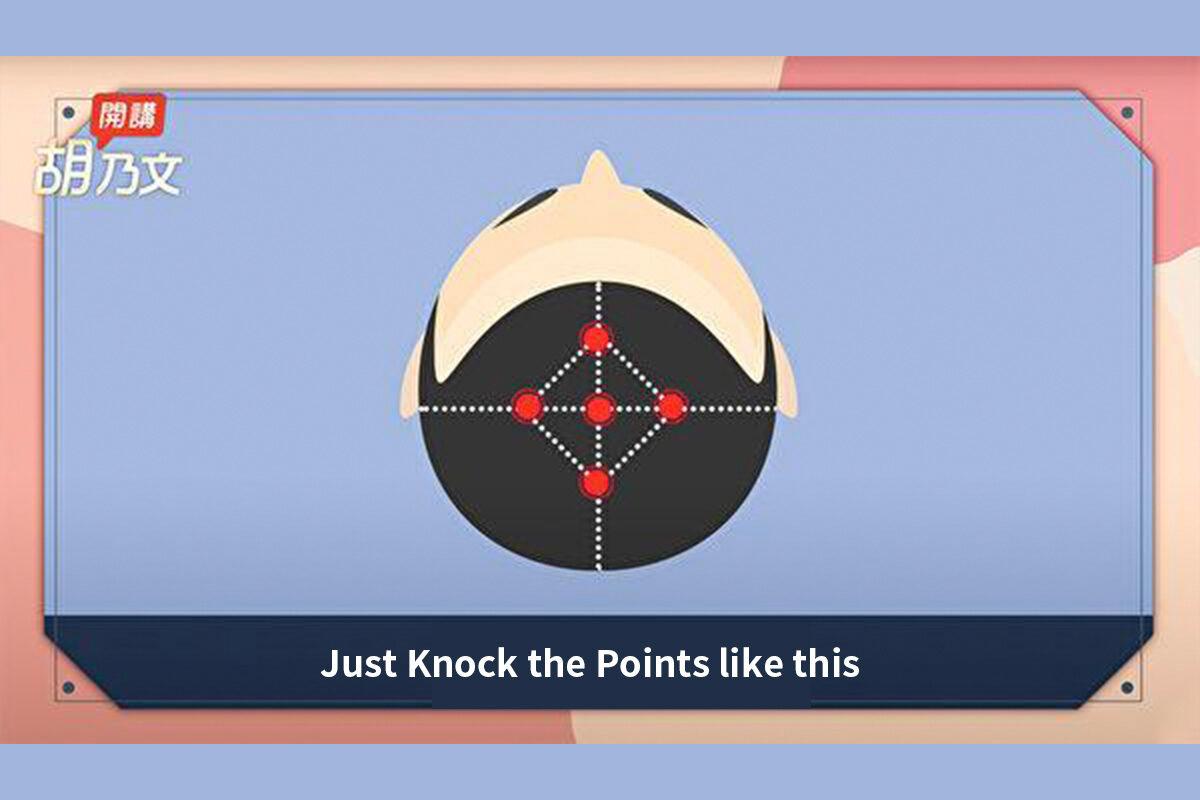
A healthy practice to support a strong mind and memory is called “Knocking Acupuncture Points on Head.”
The “Baihu” pressure point is located on the top of the head, at the center of the intersection of the middle sagittal line and the connections of two ear apexes. The “Sishengcong points,” are four acupuncture points located 1 cun (approx. the width of thumb) respectively anterior, posterior, and lateral to the Baihu point.
Acupuncture Points on Hands and Feet
Two acupuncture points located on the hands and feet can also improve memory.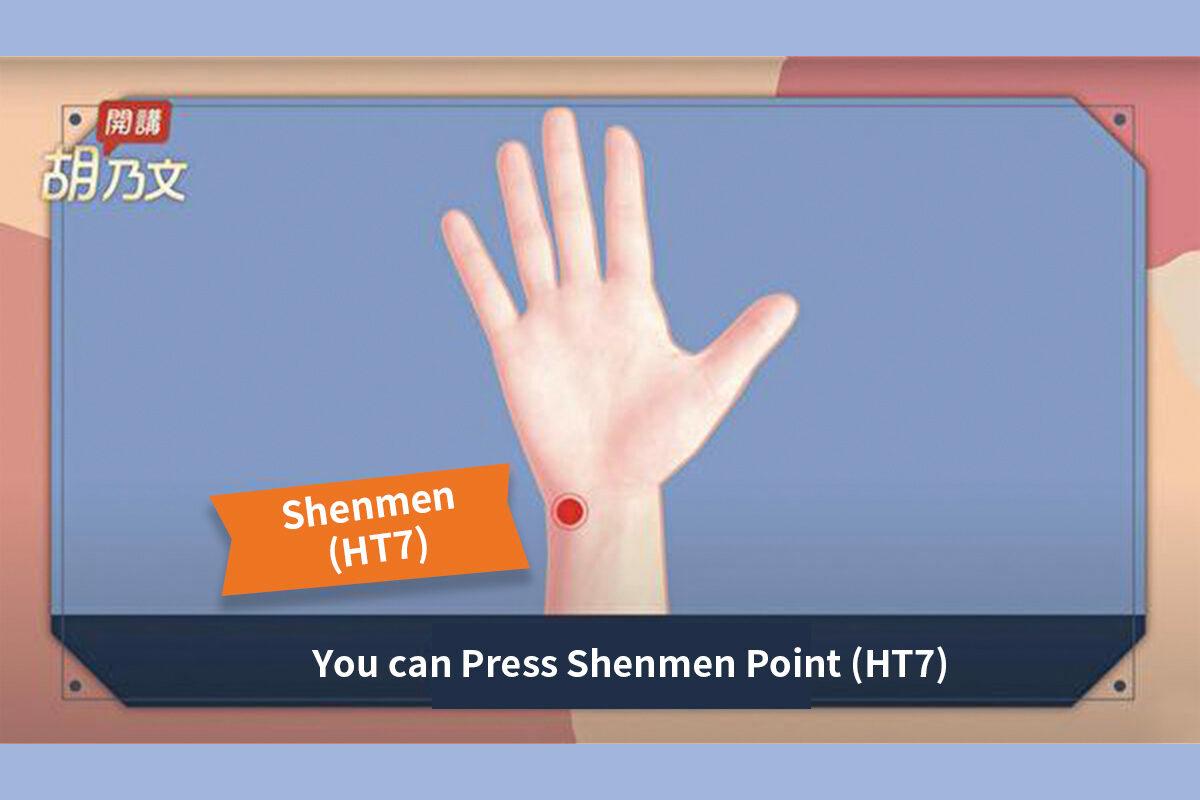
Shenmen point is an acupuncture point of the Heart Sutra, located on the wrist crease, a hollow towards the medial tendon. Pressing Shenmen point can calm you down, help you sleep well, and improve memory.
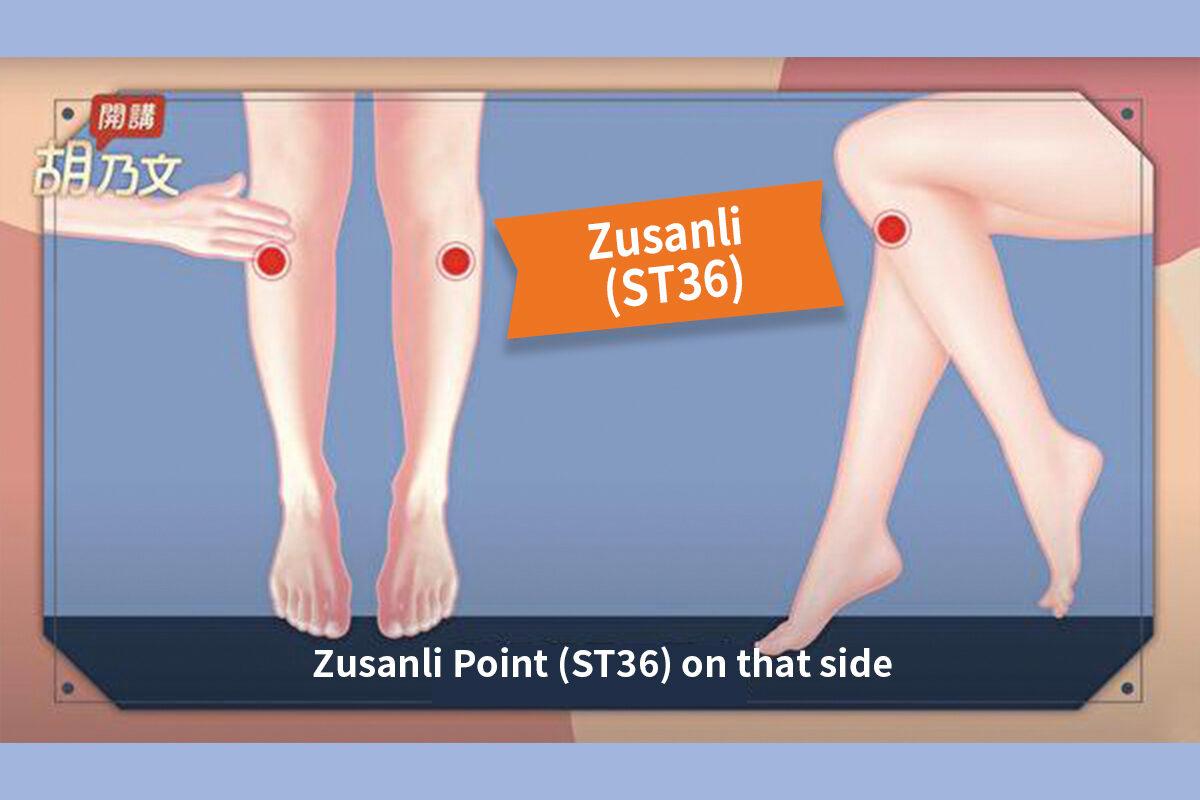
Zusanli point, located about the width of four fingers below the kneecap, is a very good acupuncture point for improving digestion. Massaging that point can also improve memory—once your digestion and absorption are improved, delivery of essential nutrients to the brain is more efficient.
Acupoints are recognized by Chinese culture and TCM as places with many nerve endings and blood vessels. Traditional Chinese medicine has found that acupoints are located in the viscera and meridian circulation routes distributed on the surface of the body. They are specific locations where qi and blood gather, transfer, and enter and exit.
In TCM, “qi” and blood are the most important fundamental substances necessary for life. The concept of “qi” can be understood as the “energy” or “vitality” that constitutes life in the body. This energy flows throughout the body to maintain life activities. Illnesses or other conditions only appear when there is a qi imbalance or deficiency in the body.
Empty Your Mind
Sorting thoughts in the brain is an important step between the input and output of knowledge. For example, the ‘Knocking Acupuncture Points on Head Exercise’ as well as exercising frequently, can serve to empty your mind.Sorting starts when the mind is empty. Spending 15 or 20 minutes every day fast walking, or riding a bike, can not only strengthen the health of your heart, but can also activate the brain, reduce memory decline, improve logic, and strengthen communication skills.
Seated meditation and listening to music can also help quiet the mind. Listening to slow-tempo music, for example, one beat per second can calm the mind. I played very relaxing music in the clinic, which induced calm and quiet—even the chattering kids would eventually quiet and calm down.
Soups to Calm the Mind and Enhance Memory
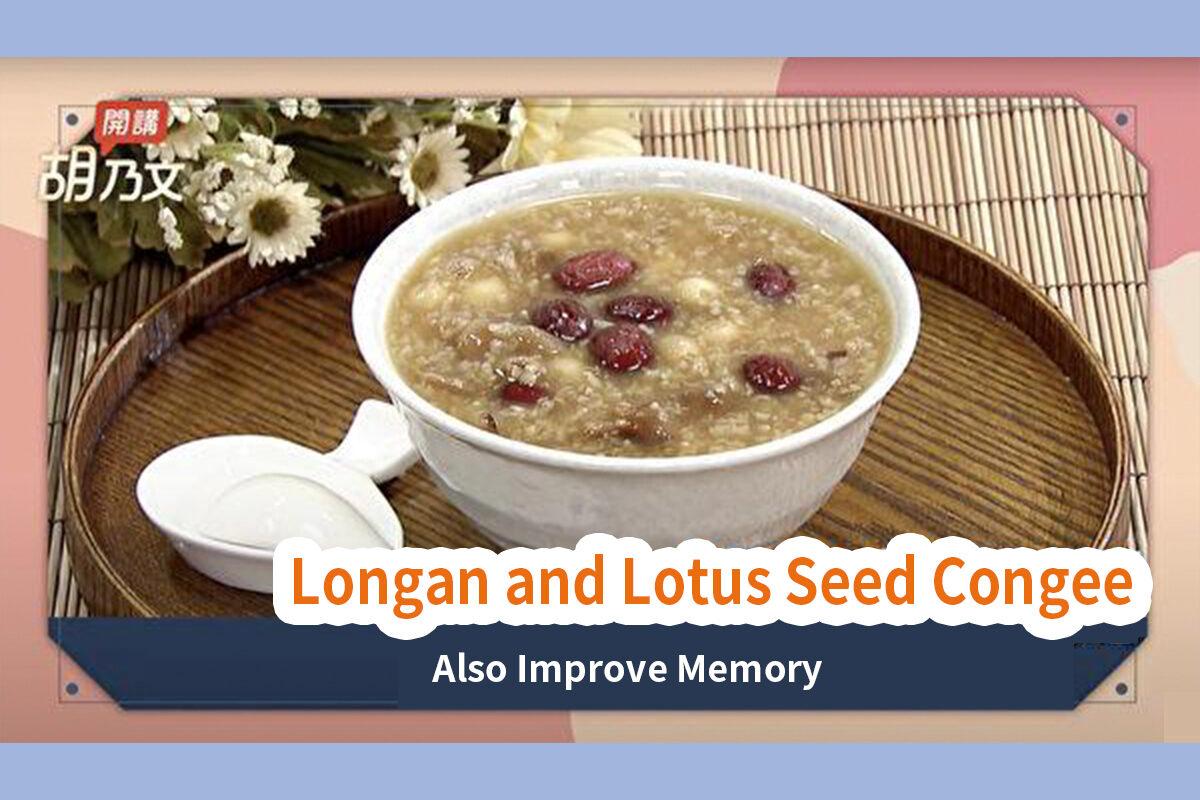
Longan and Lotus Seed Congee
Ingredients*:5 grams red date
5 grams longan meat
30 grams sticky rice
15 grams lotus seed
The congee is a good choice for children as a snack in the afternoon or a late-night meal, especially for children who study late at night.
Longan can activate memory. Lotus seeds are calming the mind and nourish the spleen and stomach. Red date and sticky rice also function as benefiting the spleen and the stomach. Eating congee promotes digestion and absorption.
- Clean all ingredients.
- Put all ingredients into a pot of water. Bring to a boil, and turn the heat to low.
- Serve when the soup cools down.
Thick Soup for Intelligence and Calming
Ingredients*:15 grams Walnut meat
5 grams Poria cocos
15 grams Spine date seed
5 grams Snow fungus
- Soak the snow fungus for ten minutes, and shred it into pieces.
- Boil them with other ingredients in a pot.
- It is ready for drinking when the soup cools down.
TCM states “nourish a body part by eating the food that is visually similar to a respective body part.” The shape of a walnut is similar to the cerebrum, therefore it can nourish the cerebrum.