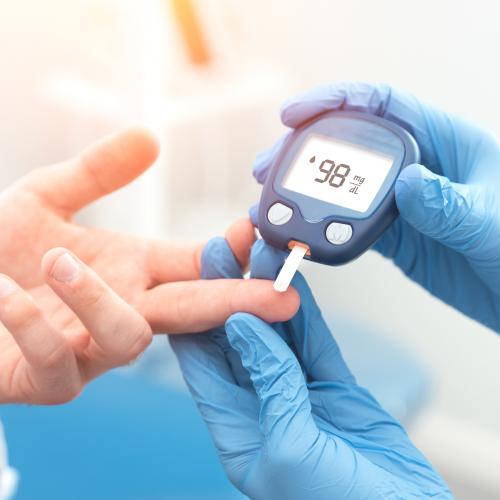
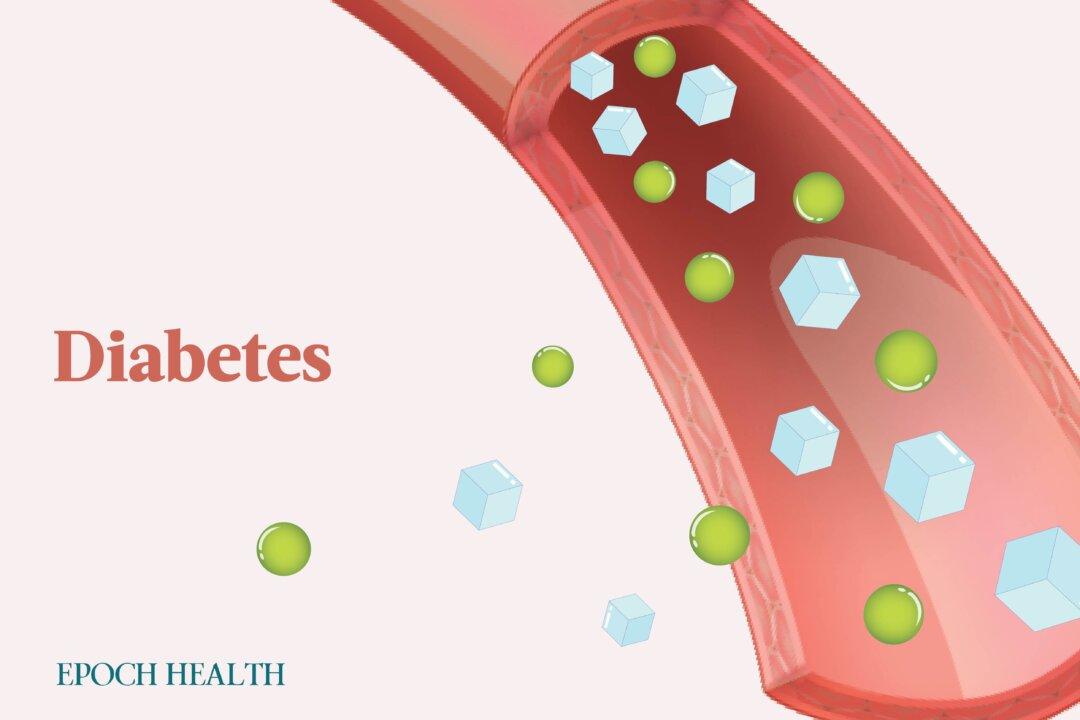
Researchers suggest that confidence and self-efficacy can help children with Type 1 diabetes manage their condition.
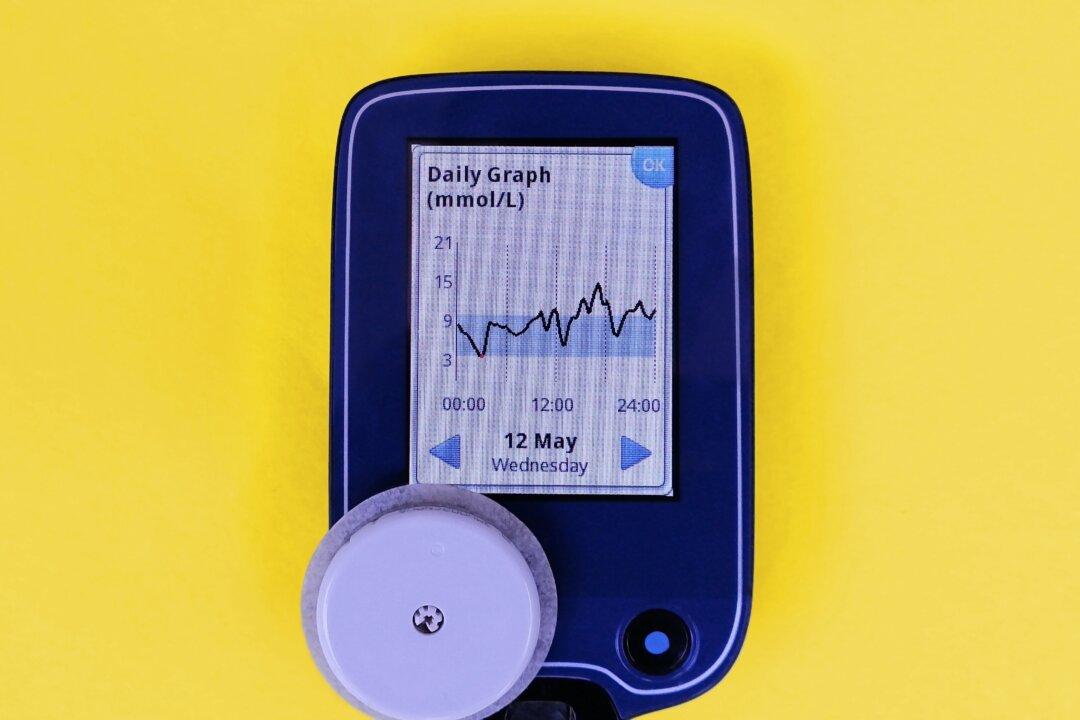
Addressing the emotional burden of living with Type 1 diabetes helps patients improve their mental health and control their glucose levels.

A new study shows vitamin D improves the function of insulin-producing cells and extends the ‘honeymoon phase’ of the condition in young people.

A new study led by a team of Stanford University researchers uncovers key factors involved in why autoimmune diseases disproportionately affect women.

There was an unexpected surge in the diagnosis of Type 1 diabetes among children and teenagers worldwide during the COVID-19 pandemic.