The China-founded retailer disclosed mounting legal and regulatory pressure as it pursued a Hong Kong IPO after stalled U.S. and London plans.

The sell-off hit offshore Chinese shares as weak spending data, global tech selling, and tighter cross-border controls added pressure.

Regulators are tightening oversight of offshore brokerages and Hong Kong banking channels as concerns grow over capital outflows through financial markets.
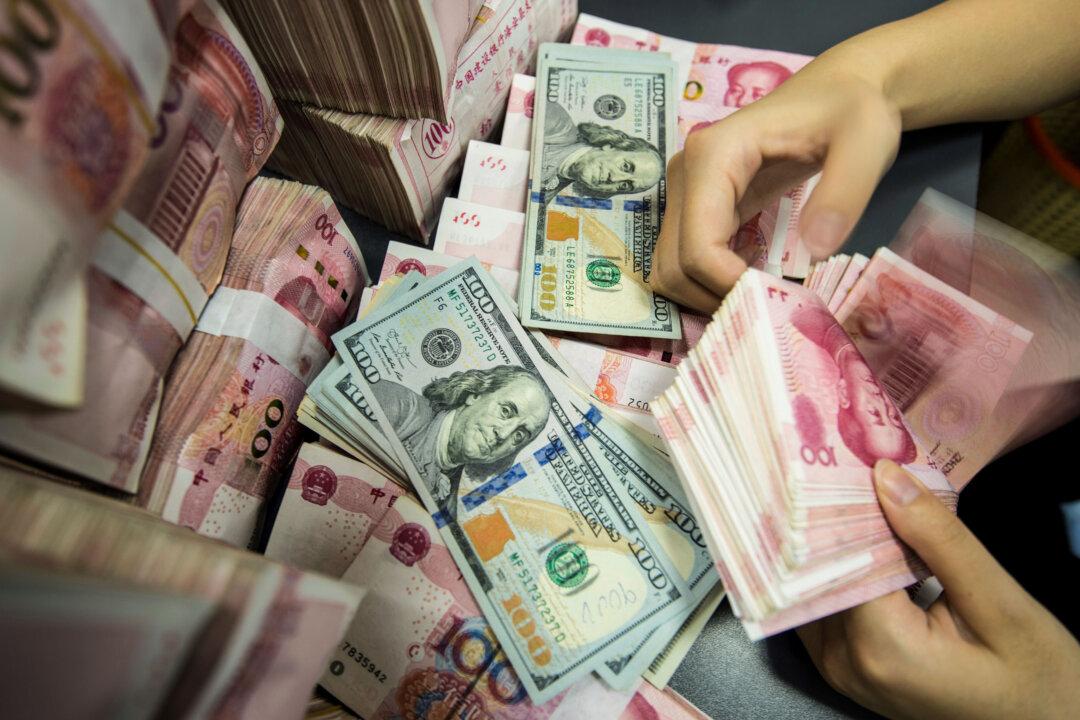
Chinese regulators have intensified efforts to curb unauthorized overseas investing as mainland investors increasingly seek stronger returns outside China.
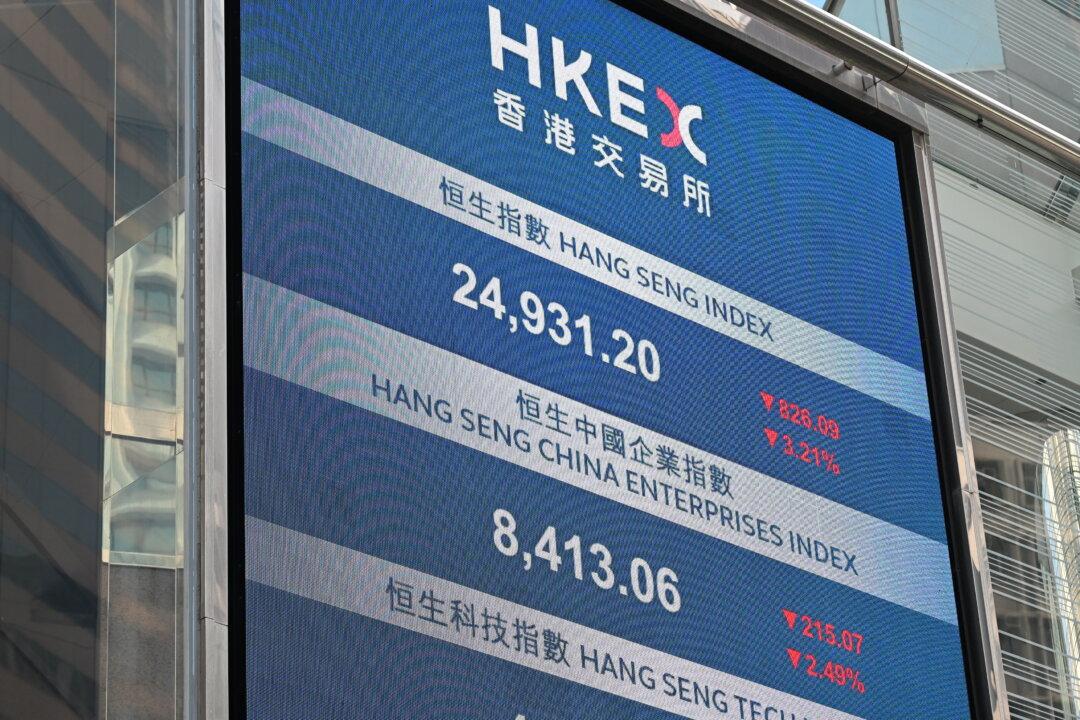
The clampdown hits a route that Chinese investors use to trade U.S. and Hong Kong stocks, raising capital-control and other concerns.
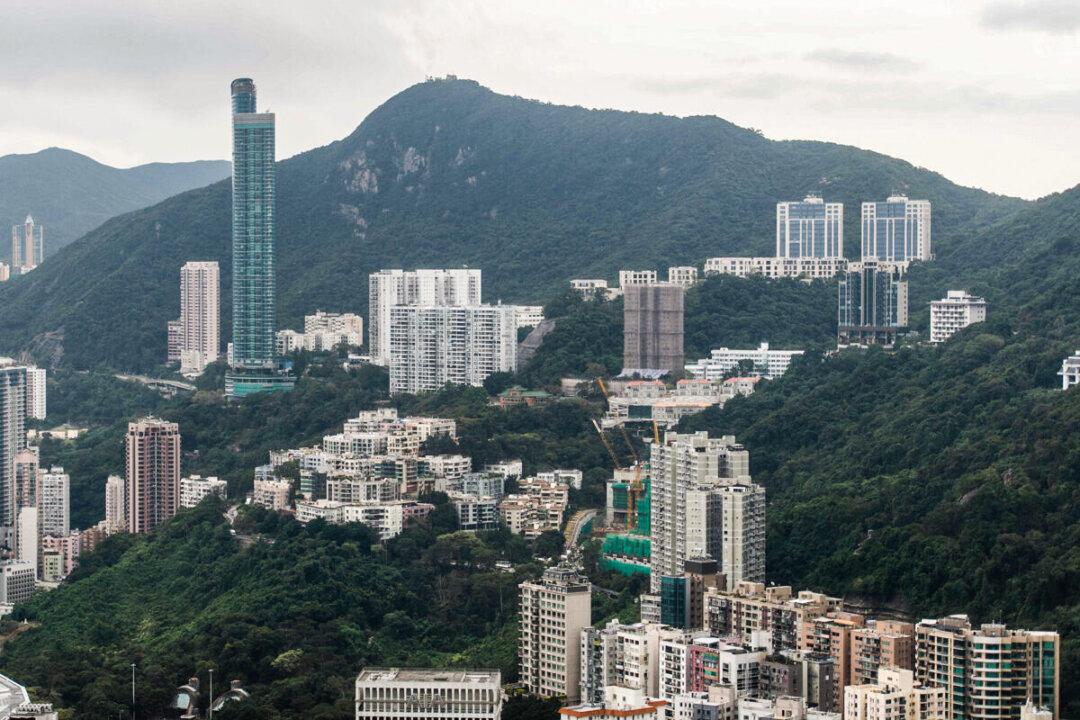
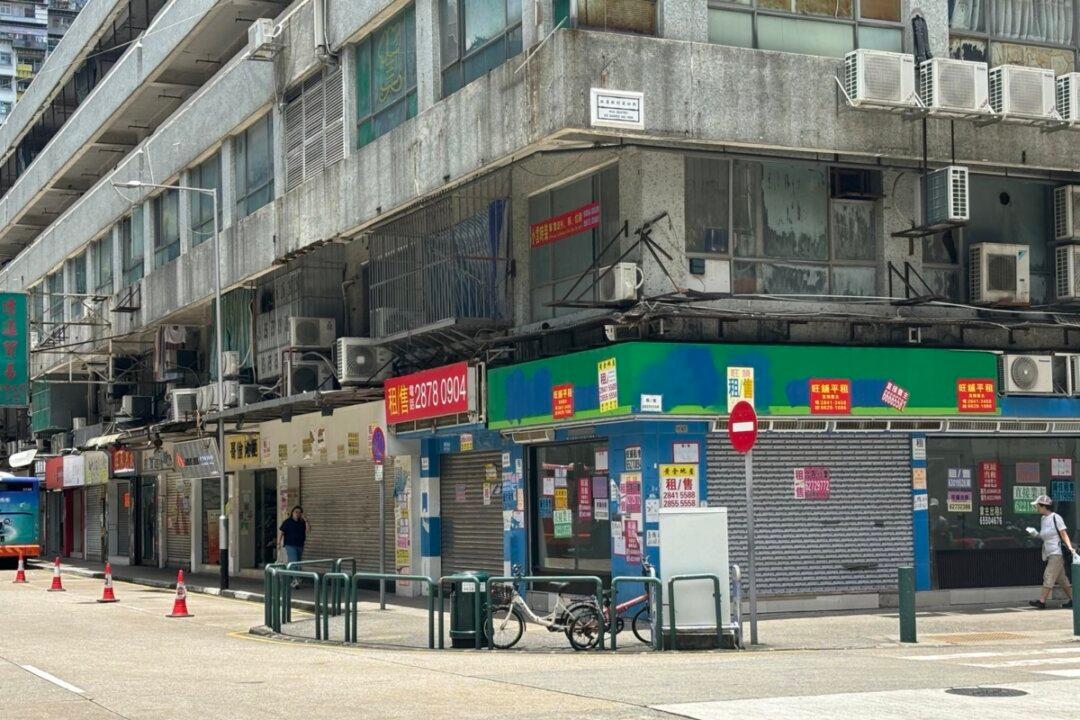
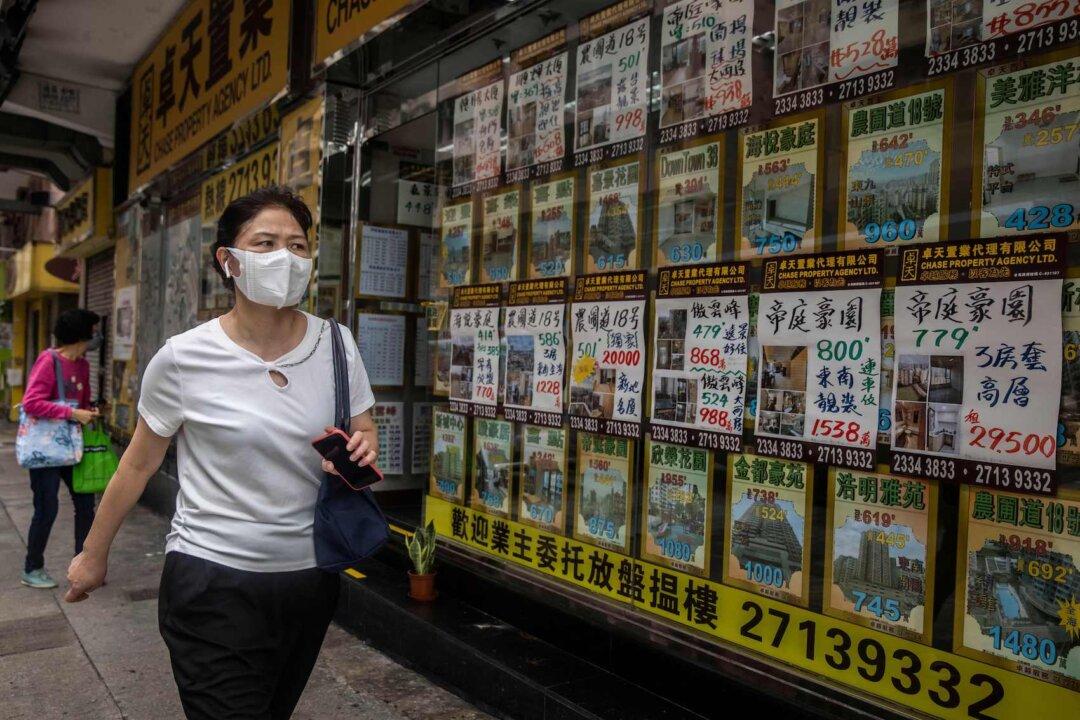
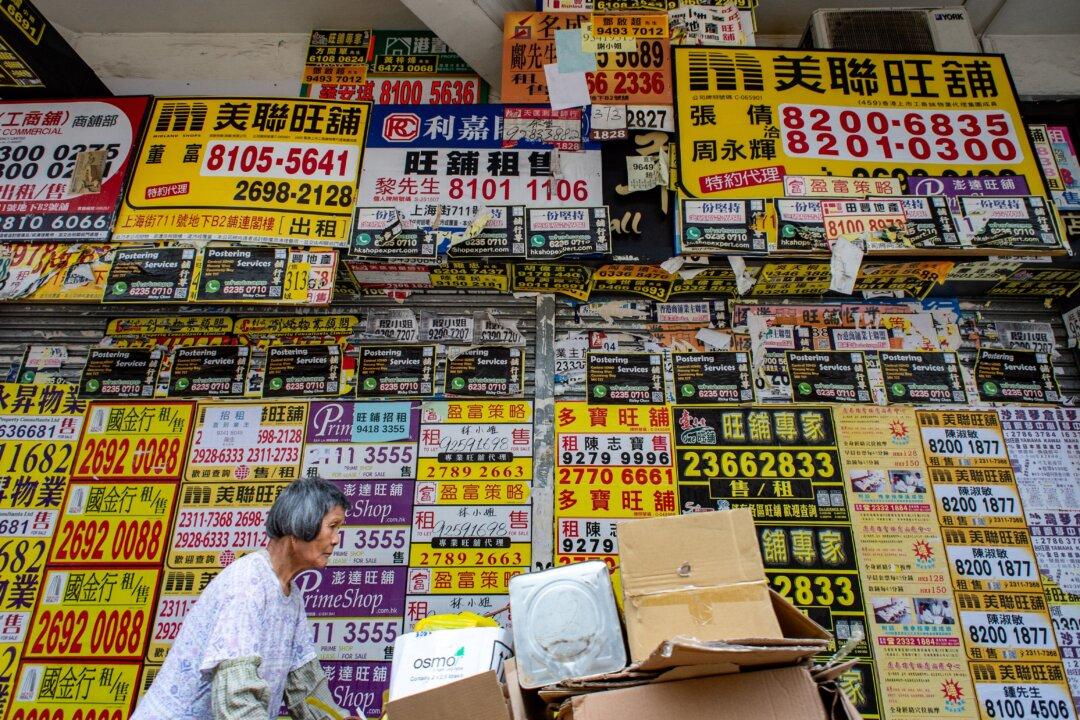
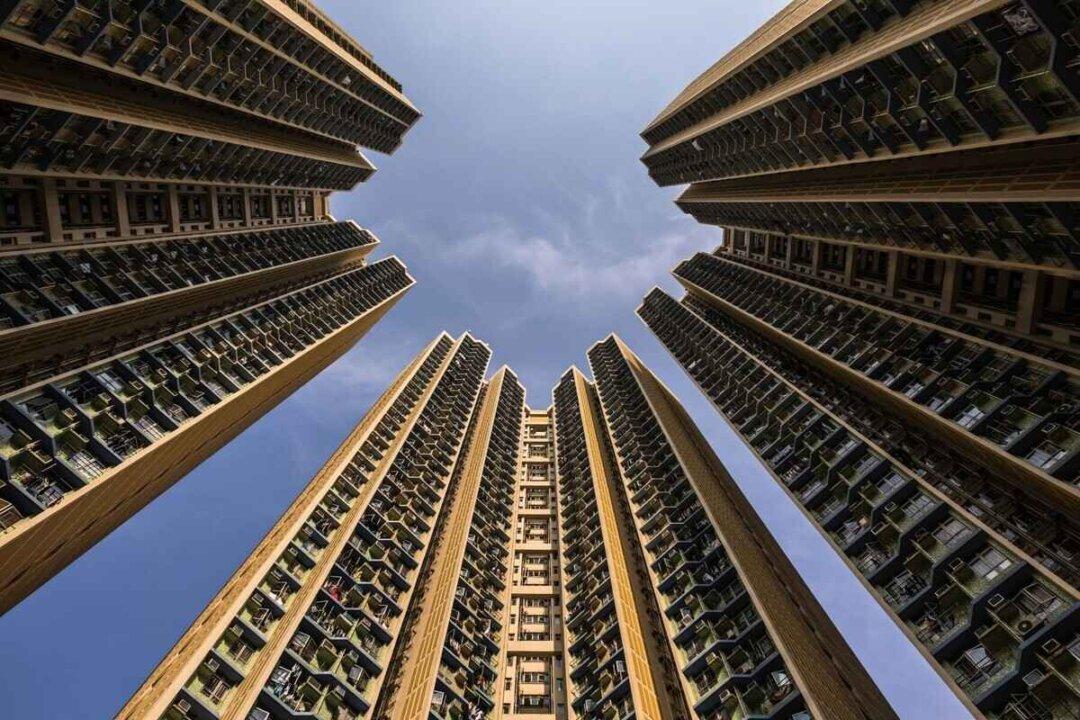
Hong Kong is grappling with a severe real estate crisis and economic downturn.
Many U.S. sanctioned mainland Chinese companies leverage Hong Kong’s financial hub to access international capital from investors.

Hong Kong’s lure as an international financial center has declined, and Western capital is moving away from Hong Kong, Veteran banker Victor Ng Ming-tak said.
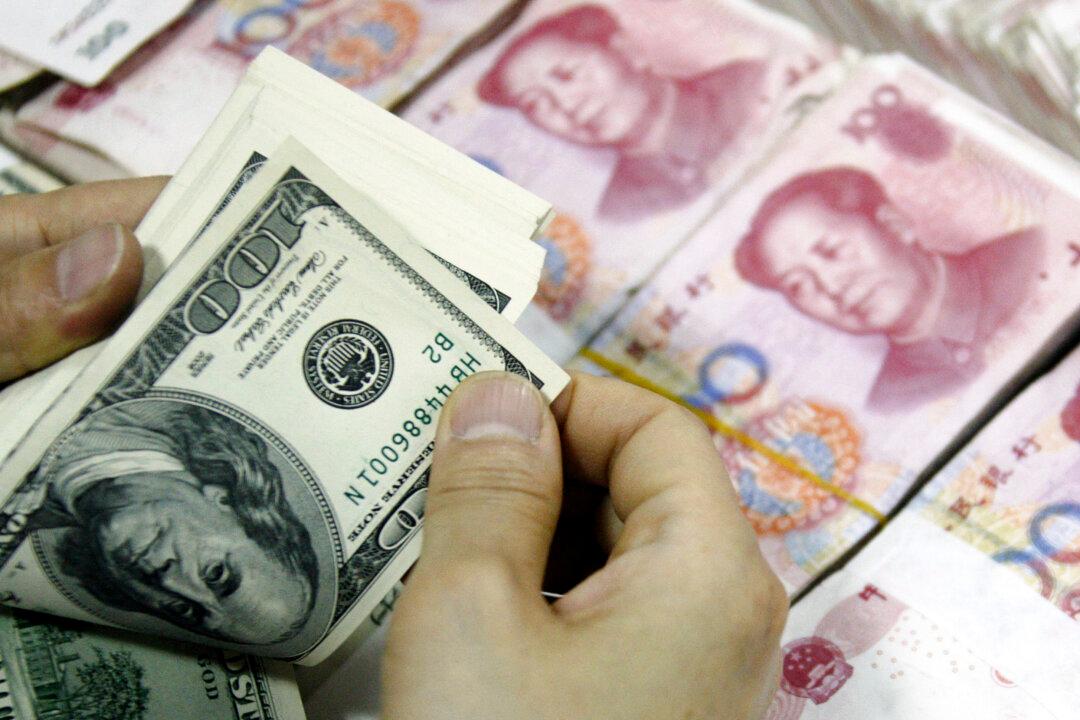
If the USD-yuan exchange rate breaks through 8, it could trigger a global crisis of confidence in the Chinese economy, says economist David Huang.
Billionaire tycoon Li Ka-shing is engaged in a protracted power struggle over ports in the Panama Canal.

The company’s stocks were briefly halted on the Hong Kong Exchange after the news emerged.
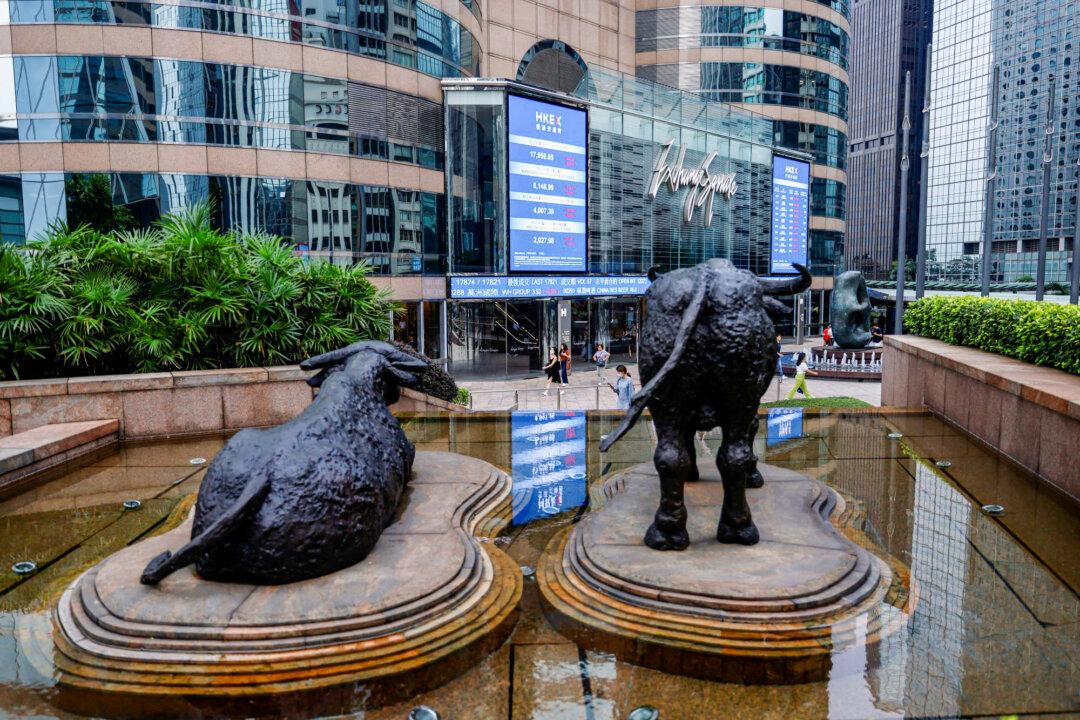
Mr. Roach, the former good friend of Beijing, reminisced about how he was captivated by Hong Kong after landing at the old Kai Tak Airport in the 1980s.

A policy built entirely on punishments or giving up will be counterproductive, leading to further undermining of remaining autonomy, the CSIS report said.
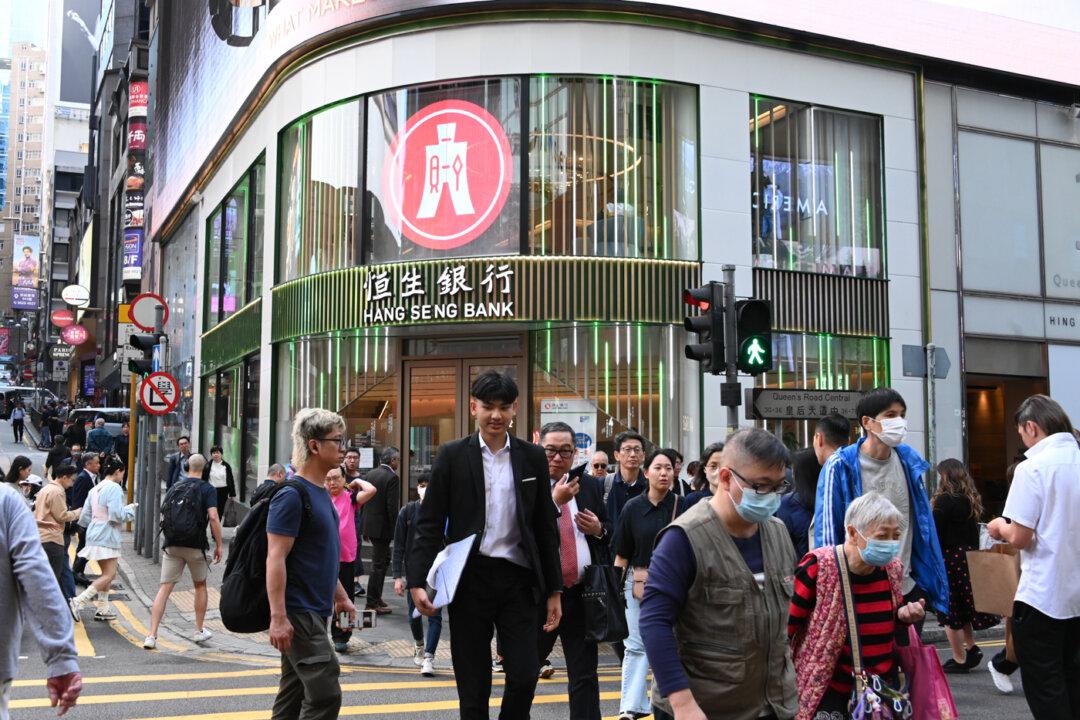
Dubai has pushed Hong Kong’s port out of the number 10 place. The shuffle reflects the rapidly declining fortunes of the port, once the world’s busiest.