R | 2h 16m | Romance, Drama | 2026
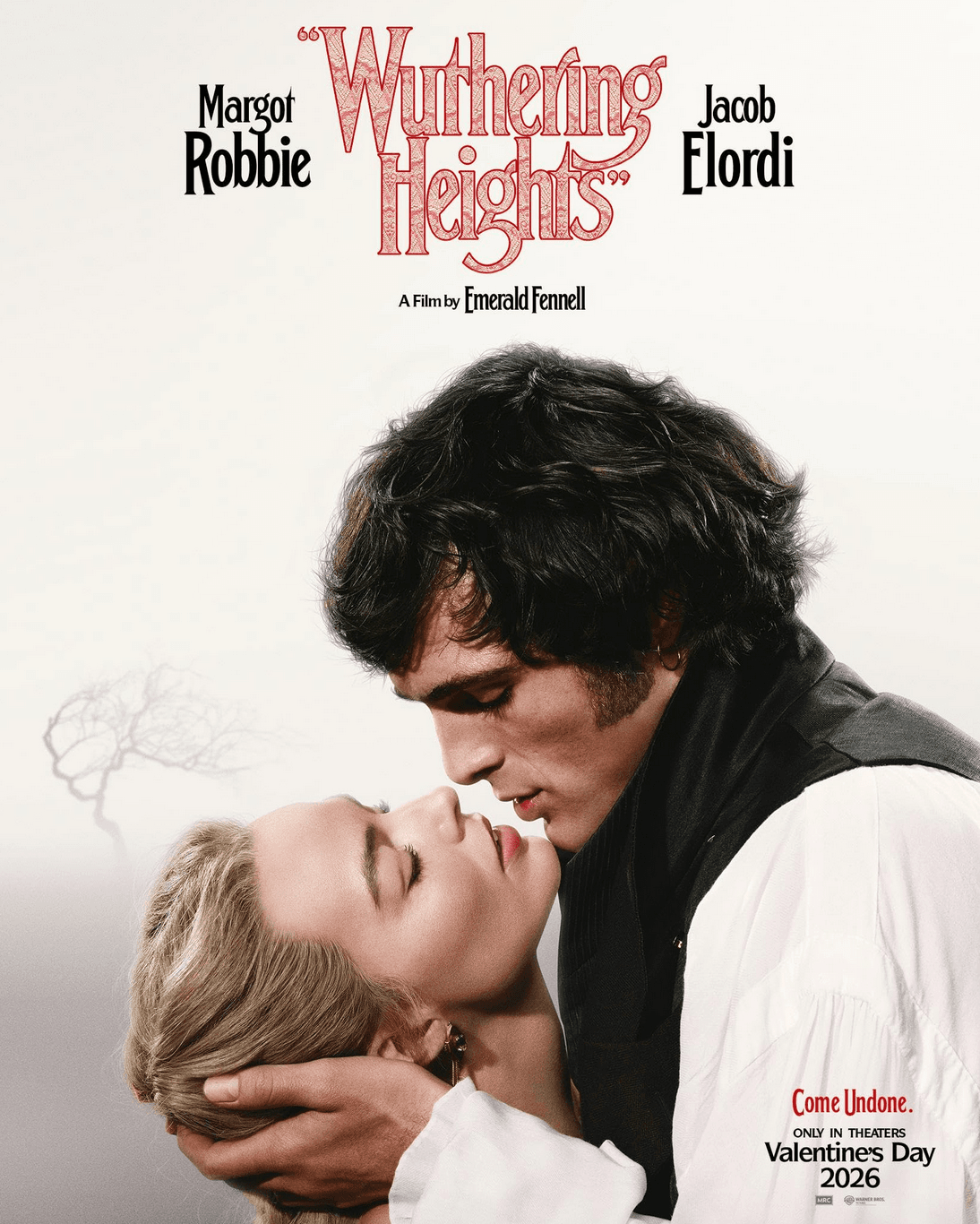
One of 2026’s most highly anticipated films, Emerald Fennell’s “Wuthering Heights,” starring Margot Robbie and Jacob Elordi, released on Valentine’s Day weekend.
Based on Emily Brontë’s 1847 tempestuous love story, this treasured Victorian period classic has been adapted for the screen countless times, as far back as 1939. For nearly 200 years, readers have been drawn to its unorthodox storytelling, raw emotion, complex characters, and poignant commentary on class disparity.
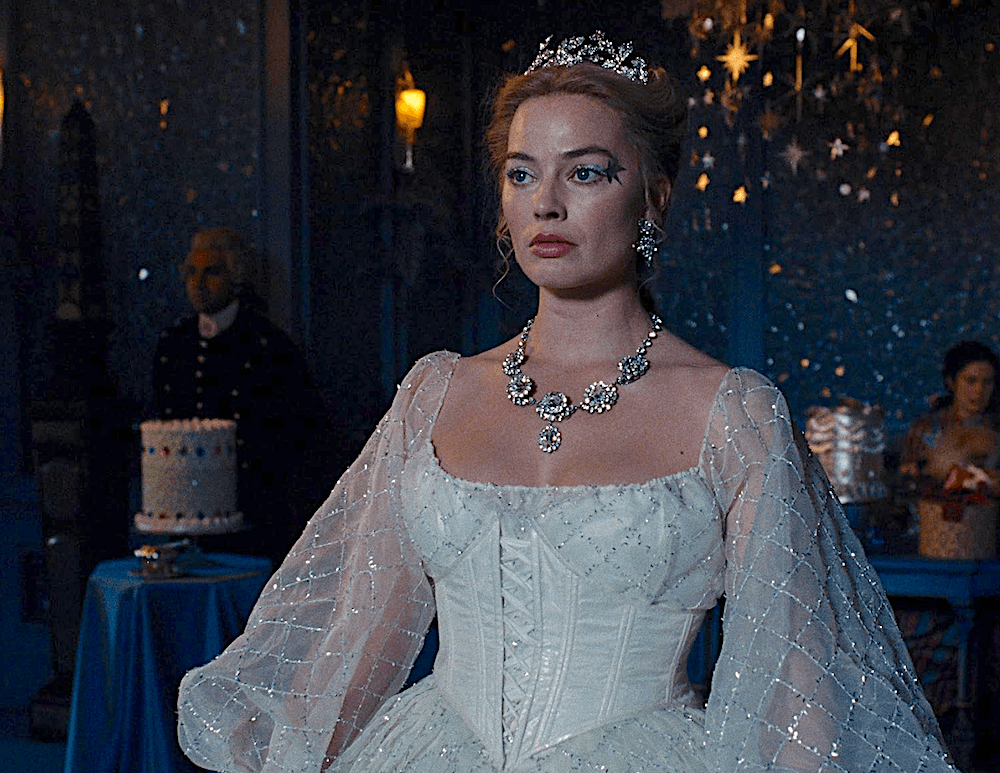
Lead characters Catherine and Heathcliff are two of literature’s most enduring protagonists, so fans of all ages have been smacking their lips in anticipation of this 2026 rendition.
Besmirching a Classic
But British director Fennell’s highly ambitious adaptation fearlessly and shamelessly stomps away from the source material, which raises the question—how far away can you go and still call it “Wuthering Heights”? The film’s title even has intentional quotation marks, which is clearly intended to convey that this is the director’s take and not a straightforward retelling. Fennell basically wrote her own script vaguely similar to Brontë’s novel and just slapped the name “Wuthering Heights” on it.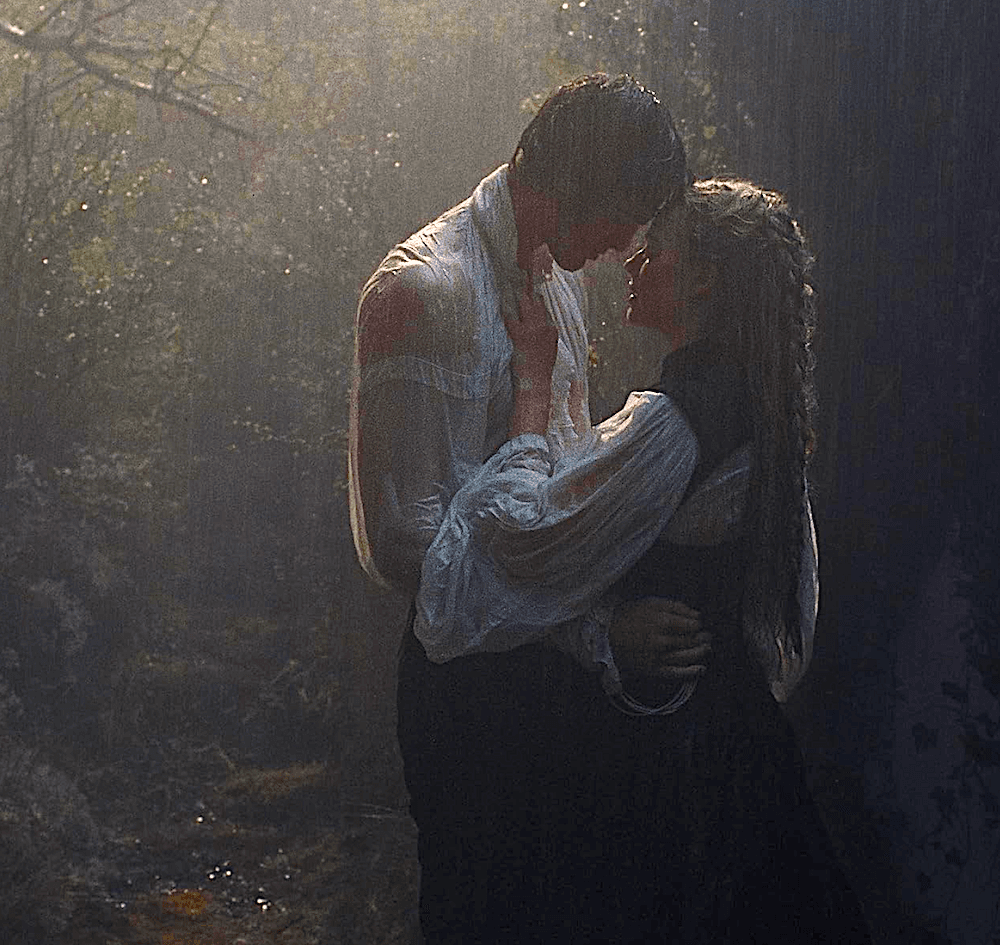
The Story
Also unfaithful to the source material are the prominent story features that were either drastically changed or cut entirely, most notably Catherine’s missing brother Hindley. The ending has been entirely re-imagined. It’s just not “Wuthering Heights” anymore.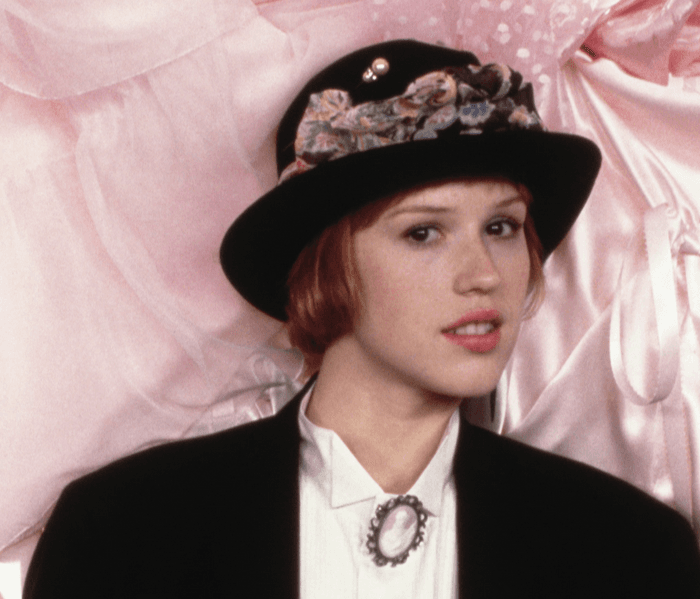
It feels like the story was mutilated to make room for the excessive amount of violent sex scenes, along with a series of visuals of mundane, inanimate objects intended to metaphorically represent various aspects of sex. While inventive, they feel hugely obscene and steep the entire project in a viscous broth of “ick.”
Casting
The casting feels off for a period piece. It’s clearly a case of “How about we cast two of Hollywood’s currently hottest actors, have them play an extended game of tonsil-hockey, on Valentine’s Day, and won’t that be grand?“ Not to mention ”Won’t that make a lot of money?” Gorgeous Margot Robbie is a great actress and producer, and as a heterosexual male I certainly appreciate her playing a good game of tonsil-hockey, but I could have done without the X-rated visual metaphors.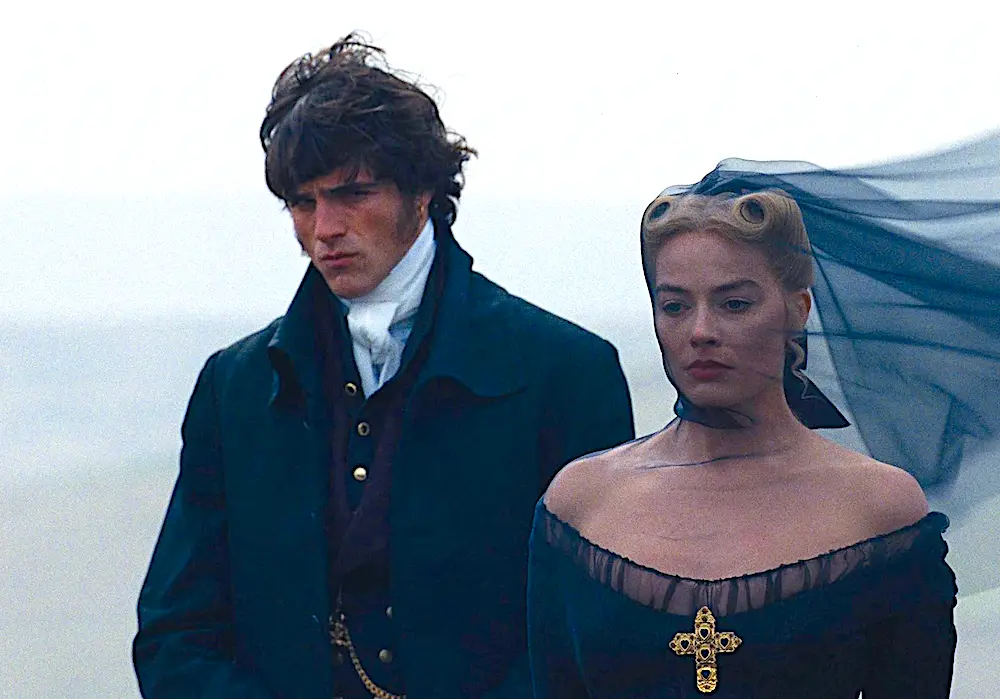
In the novel, Heathcliff is described as having dark hair, skin, and eyes. His ethnicity is never explicitly stated, but it’s often theorized that he’s distinctly non-Caucasian—an intentional choice by Brontë to emphasize his social differences when compared to wealthy, Caucasian Catherine. And so, while Jacob Elordi can certainly be described as tall, dark, handsome, and he gives a decent acting performance, his hotness does nothing in terms of bringing the authentic Heathcliff to life.
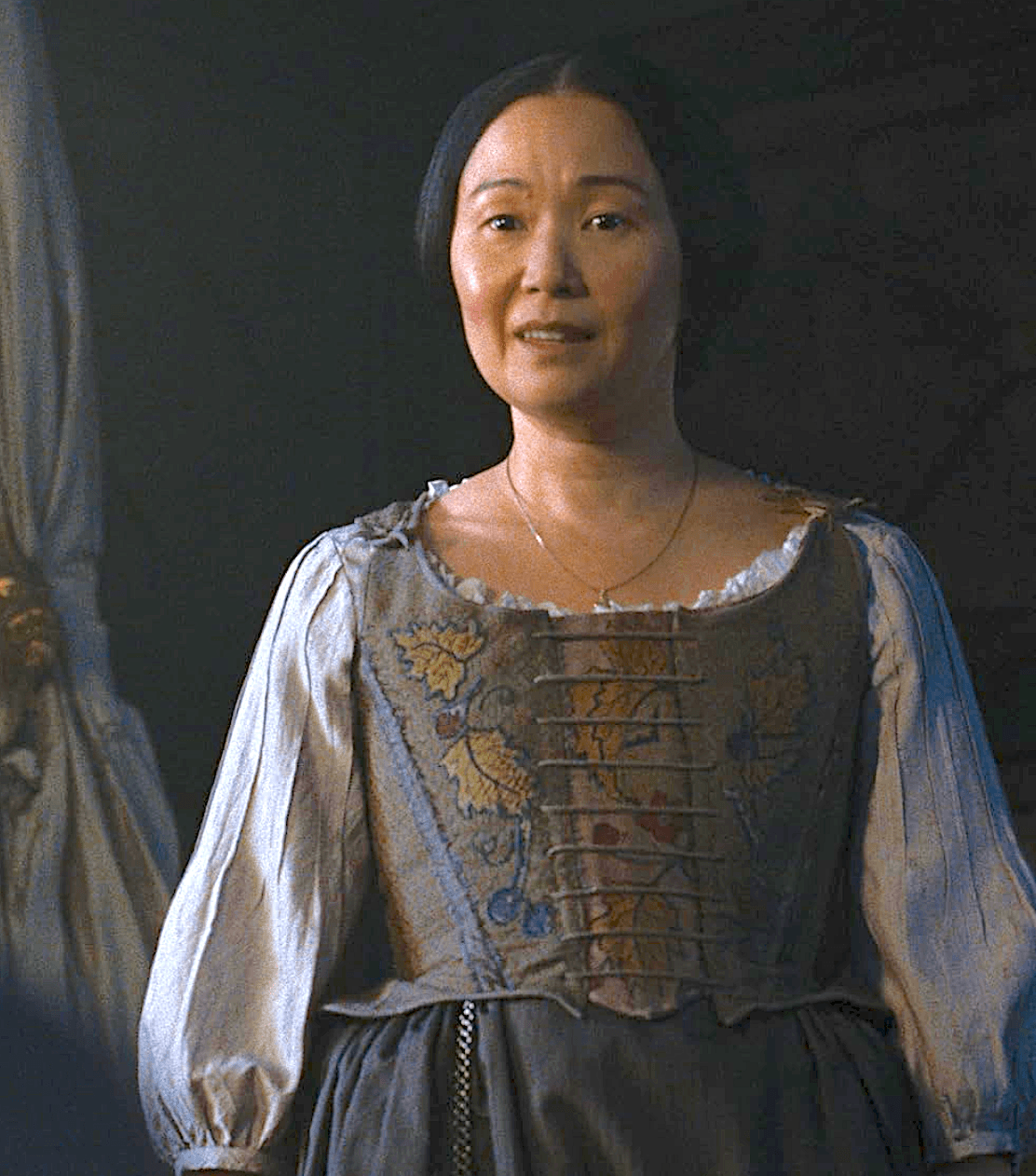
Oddly, other non-white actors like Hong Chau and Shazad Latif were cast to play historically white characters. So why would you not cast an appropriately ethnic actor in the role, where it really matters? It’s all about the hotness. And it’s not even hot. It’s more lukewarm and gross.
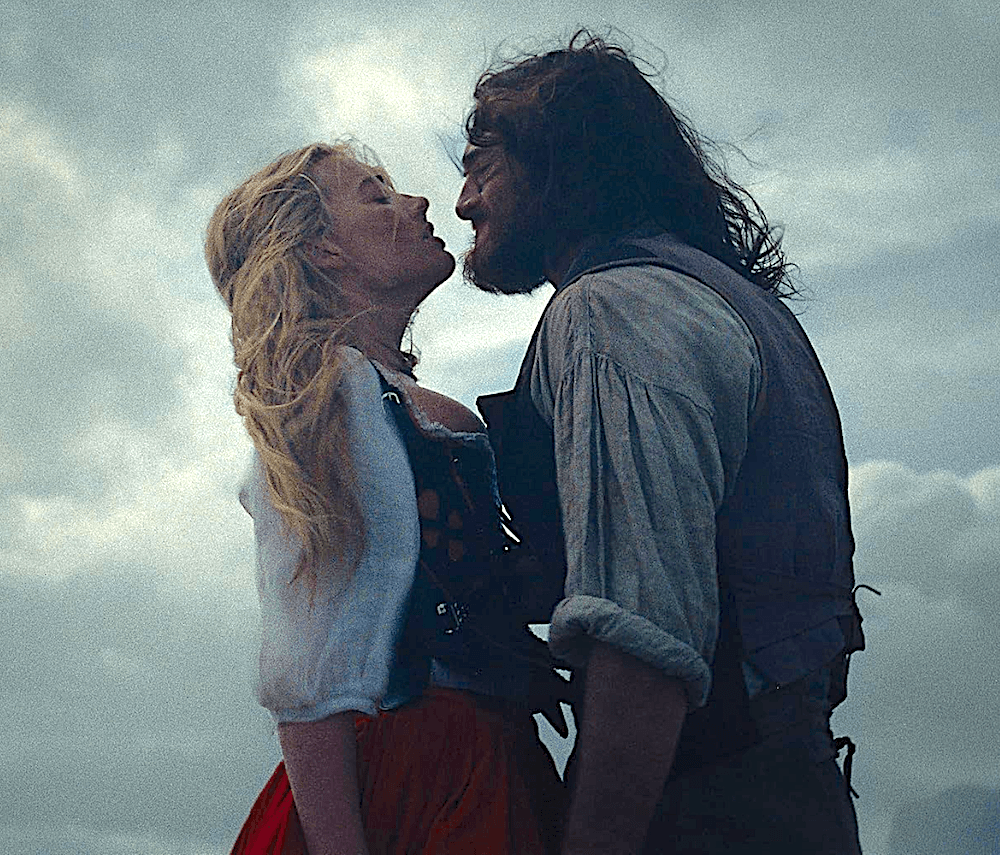
No Redemption
Many movie interpretations ignore the second part of the book, where redemption happens between young Cathy and Hareton. Fennell’s version is no different. The first half of the novel is defined by vengeance and “original sin,” but the conclusion offers several layers of redemption, the primary arc of which is found in the healing and growth of the second generation. Unlike their parents, young Cathy and Hareton Earnshaw overcome their pride and resentment and break the cycle of abuse.There’s also a “spiritual” reunion of sorts. Some interpretations have suggested that Heathcliff and the elder Catherine find redemption in death, since they are reportedly glimpsed together as ghosts on the moors—finally united without the constraints of social class or earthly conflict. Spoiler alert: In this movie, you'll see Catherine dead on a bed, emanating a veritable river of blood. Spectacle over spiritual healing is the order of the day.
So if you’re looking for a smart, carefully-crafted period piece about race, wealth, and social class, don’t bother. You’ll instead get bombarded by pretty Australians having rough sex for two hours.
Emily Brontë’s writing choices were intentional. The novel’s scenes, themes, and character dynamics were all intended to tell a coherent story of class difference and forbidden love, not as exhibit-A of an extreme case of sex and love addiction.
Simply put, Fennell’s “Wuthering Heights” entirely misses the point of the original story. At two hours long, it’s a boring, turgid watch that feels a lot longer than it is. Emily Brontë is definitely rolling in her grave.