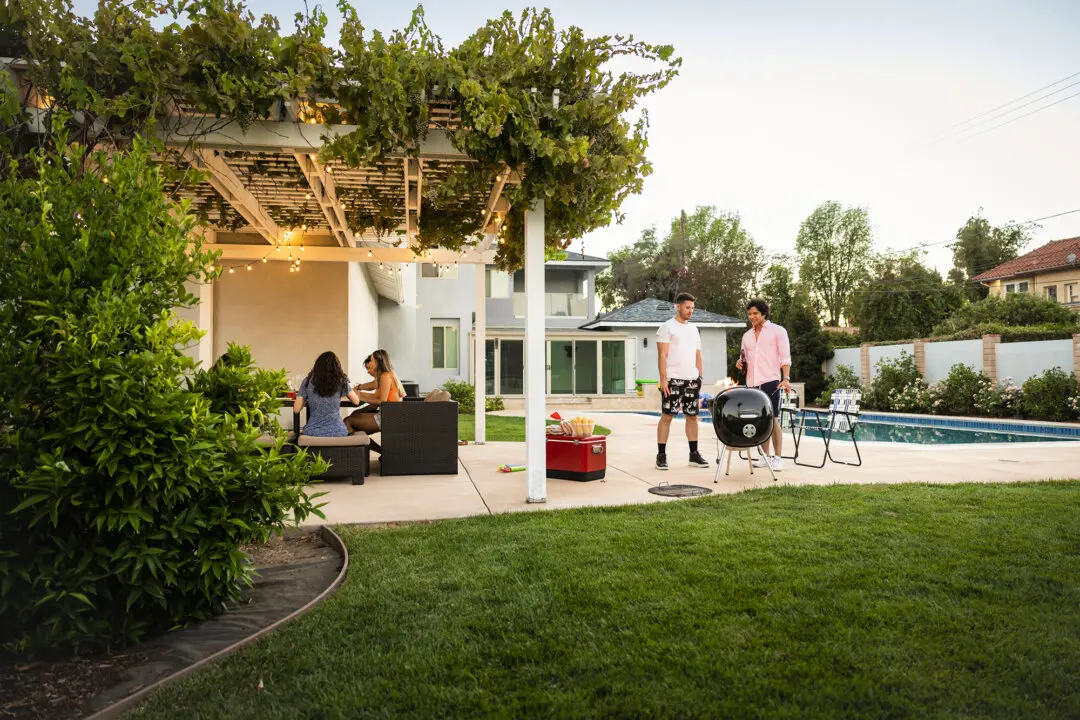
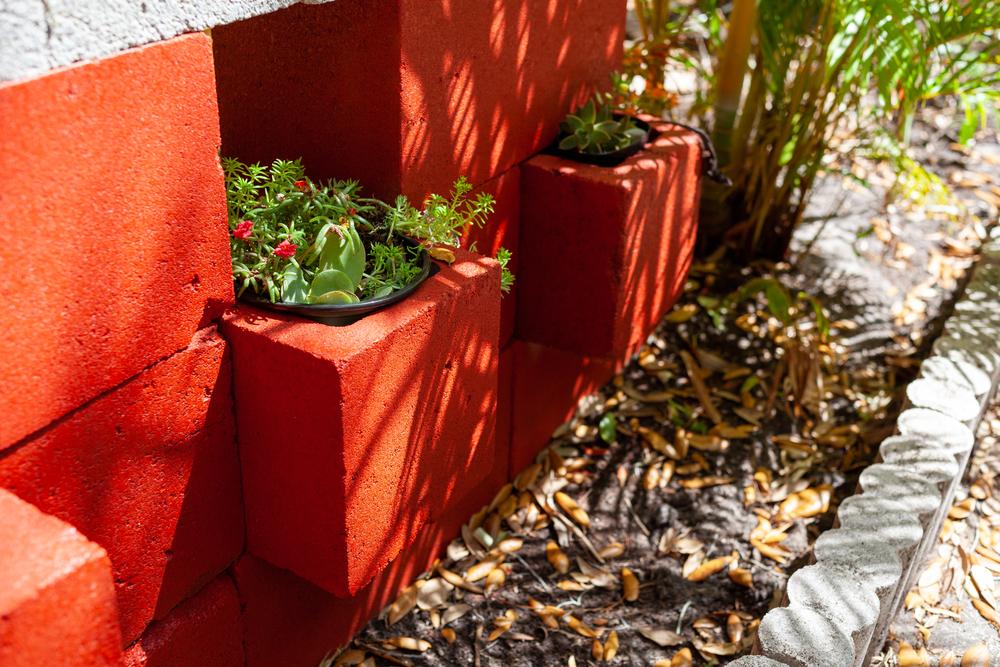
There are seven categories of general hardscape: patios and decks, gazebos and pergolas, walls (in the form of raised planter beds or, if you’re on a hill, load-bearing retaining walls), stone pathways, fountains, fire pits, and driveways.
And let’s not forget the luxury built-ins, such as a pool or an outdoor kitchen.
Whether one is starting with a blank (or all-grass) slate or adding to or overhauling an existing hardscape, the first step is to make a list or drawing of the ideal yard, including every possible dream item. This can be scaled back if needed, but no one wants to realize they put a patio in the ideal location for a pool down the road.
Meet the Materials
Natural stone is at the top end of materials. Popular choices include flagstone, bluestone, limestone, and slate. Used for patios, walls, and walkways, these are all classic, durable, and versatile. Another timeless choice is brick, which adds instant warmth and can be laid in any of a number of patterns to add visual interest.Concrete is another favorite that can be molded into custom shapes and sizes, including mimicking natural stone, brick, and, surprisingly, even wood. Concrete is more affordable than natural stone and is a lower-maintenance option for a patio or driveway, as the solid slab keeps the weeds down. On the downside, that solid concrete pad might affect drainage, in which case concrete pavers may be the better option, providing cost savings and permeability. No matter what, be sure to slope all stone decks away from the house for water runoff.
Wood is the top choice for decks, pergolas, and other outdoor structures. Make sure it’s pressure-treated, rot-resistant cedar, redwood, mahogany, teak, Ipe, or bamboo, or perhaps low-maintenance composite decking.
Al Fresco Essential
While hardscape elements can be beautiful, they’re about much more than looks. Patios and decks increase living space and property value. Stone, brick, or concrete patios are usually at ground level, while decks “float” above the ground, from those set on simple ground-contact framing to raised affairs or second-story balconies that connect with the backyard, making them a popular choice for an uneven backyard.All can attach to the back of the house to allow the interior to flow outside for relaxation, dining, and entertaining. Design it to surround a pool or be situated elsewhere in the yard to create a usable focal point or a private retreat. Whether it’s a small area for family or a large area for entertaining, mark out the potential area, set out your chairs, etc., and “live” with it for a few days before starting the project.
Fun and Relaxation
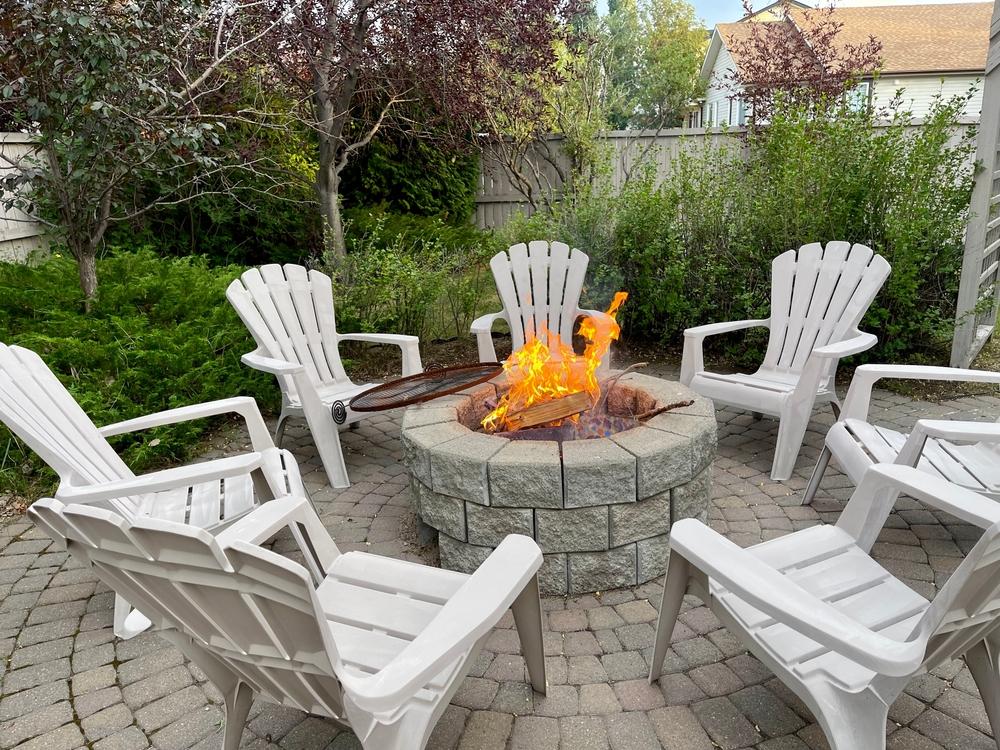
Few things are as stress-reducing after a long day at work or keeping an eye on energetic kids as relaxing around a cozy firepit. Plus, it draws people outside in seasons when the backyard might not otherwise be in use. A built-in firepit can be as simple as standalone construction in a lawn, a brick or stone pit built into the new patio, or its own oasis with built-in seating or space for Adirondack chairs. Be sure to check local building codes and homeowners association covenants for restrictions.Soothing and elegant, water features can run the gamut from a pre-made or do-it-yourself burbling to a recirculating standalone or wall-mounted fountain or even a paved garden “stream.” Whatever the choice, solar fountain pumps eliminate the need to run special wiring and cut down on the electric bill.