This copy is for your personal, non-commercial use only. Distribution and use of this material are governed by our Subscriber Agreement and by copyright law. For non-personal use or to order multiple copies, please contact The Epoch Times Reprints.
Healthy summer gardens rely on regular monitoring, proper watering, and preventive care to keep plants productive through the hottest weeks of the growing season. Valeriy_G/Getty Images
As the heat rises, warm-season plants and garden pests become more active. At the same time, prolonged heat can lead to plant stress, making them more susceptible to common pests and diseases.
One easy thing to do that adds cheery color to the garden is to interplant marigolds, which discourage some pests while attracting beneficial insects. Or make a spray of two or three cloves of crushed garlic in 2 cups of water. Let it sit overnight, then strain and pour into a 16-ounce spray bottle. Spray in the early morning or early evening to avoid accidentally causing leaf sunburn. Garlic helps repel aphids and spider mites, as well as beetles, caterpillars, whiteflies, and ants. Fortunately, some pests—such as those early-season terrors, cabbage maggots, as well as onion maggots, seedcorn maggots, and cutworms—don’t like high heat and will be much less of a concern.
What should you do if there’s an infestation? I have good news: For every problem, there’s a solution.
Annoying Aphids
There are a wide variety of aphids, but they all share some common traits.
Most notably, they thrive in warm weather and can reproduce without mating. Females give birth to live clones at an alarming rate, and a few of them can quickly become a colony. They suck the juices out of plants and can transmit viral diseases from an infected plant they’ve fed on. At the very least, they leave behind a sticky residue called “honeydew” that often leads to black sooty mold.
By treating the aphids, you’re preventing three potentially plant-damaging conditions. Treatment starts by spraying them off of plants with a strong blast of water; many will die before they are able to return to the plant. If that doesn’t work, mix 1 teaspoon of Dr. Bronner’s soap in 1 quart of hot water, pour it into a spray bottle, and apply to aphids. Alternatively, you can use a natural neem oil spray. Some gardeners swear that burying chopped-up banana peels just underneath the soil helps repel them while adding potassium to the soil.
Troubling Thrips
Thrip populations also explode in the heat, although they strongly prefer dry weather. They proceed to suck the life out of the juiciest leaves, fruit, and flowers they can find, and they’re prone to migration, making regular inspections critical. Similar to the heavy rains that wash them off plants, naturally helping to keep populations somewhat under control, thrips can be sprayed off plants with a strong blast of water. Or put a white sheet under plants and shake them off.
There are specialized water-resistant thrips traps, too. If the bugs are still reproducing too fast, an insecticidal Dr. Bronner’s soap mix or neem oil spray is the next choice for treatment.
Stressful Spider Mites
Spider mites feed on plant leaves and create destructive silk webs. Minuscule, often less than one-twentieth of an inch long, spider mites can quickly become numerous when the temperature rises above 85 degrees Fahrenheit and humidity remains low. Females can lay up to 20 eggs per day and 800 in their lifetime, which then hatch in three days and quickly breed.
Perhaps the simplest thing to start with is spraying with a strong blast of water. In fact, rinsing plants down to keep them dust-free goes a long way toward reducing the risk of spider mites, with the added benefit of giving the plant plenty of water. Spider mites’ favorite targets are drought-stressed plants.
The same insecticidal soap and neem oil treatments that work for aphids and thrips work here, too. Or, if the infestation isn’t too bad and the plant is hardy, try a 1/2 cup of 70 percent isopropyl or rubbing alcohol mixed with 2 cups of water, poured into a spray bottle. Since 70 percent rubbing alcohol can damage some plants, test the mixture on a single leaf first and allow it to sit for 24 hours before widespread application. Avoid spraying in direct sun.
Stubborn Squash Bugs
If you don’t have squash growing, keep reading anyway. These bugs will happily dine on other cucurbits such as pumpkins, gourds, melons, and even cucumbers.
Squash bugs can be treated with neem oil, but expect to reapply it every seven to 14 days over the summer. This may even need to be increased to two days for two weeks for extreme infestations. An easier and more reliable, completely eco-friendly control method is to cover the plants with row covers, then remove the row covers for each morning during flowering to allow the pollinators to do their job.
Harmful Hornworms
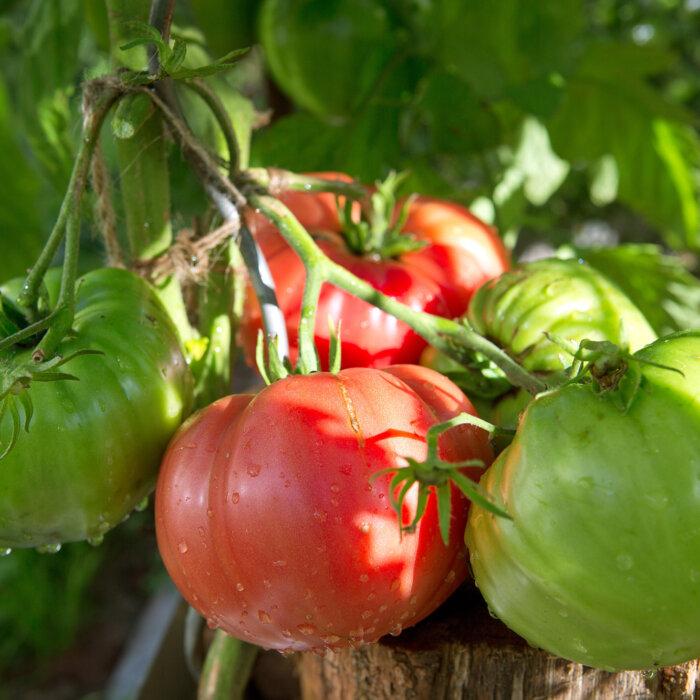
Check tomatoes for active hornworms at dawn and dusk from mid-July until summer’s end. Hand-pick them off and dispose of them in the trash. If you find one covered in white bumps, leave it alone! Those are parasitic wasp cocoons that contain beneficial wasps that will emerge and eat the other hornworms. For large hornworm problems, consider a Bacillus thuringiensis spray.
__________________
Dealing With Disease
Water in the early morning or late afternoon, trim plants for better airflow, and keep aphids under control to significantly reduce the chance of sooty and other molds.
Thwarting Viruses
Viruses are nearly impossible to get rid of, so prevention is key. Weed regularly, as weeds can harbor pathogens. Remove diseased plants and all their parts immediately to reduce further spread. Disinfect pruning shears and other tools regularly. Opt for disease-resistant varietals in the future.
Foiling Fungi
Mix 2 tablespoons of baking soda in a 1-gallon pump sprayer. Apply to plants to alter the leaf surface pH and make them less hospitable to fungi. This works exceptionally well with powdery mildew. Serious situations may need sulfur, copper, oil, and biocarbonate-based fungicides. Apply them all proactively.
Managing Bacteria
Copper-based fungicides do double duty as a bactericide. For a more natural option, consider the good bacteria Bacillus amyloliquefaciens, which helps activate plants’ natural defense mechanisms.