Imagine an elegant place for reading, relaxing, dining, and entertaining outdoors that many homeowners can build themselves. Sounds like a pergola!
There’s a pergola for every space and budget. They can be as small as a six-by-eight-foot kit structure for a small seating area or as large as a 20-by-20-foot structure for a spacious outdoor living space. They’re usually covered by climbing vines to add beauty and privacy, and you can also hang a hammock underneath to create a zen oasis.
The first question when planning one of these open-air rooms is, will it be attached or freestanding?
Preferred Style
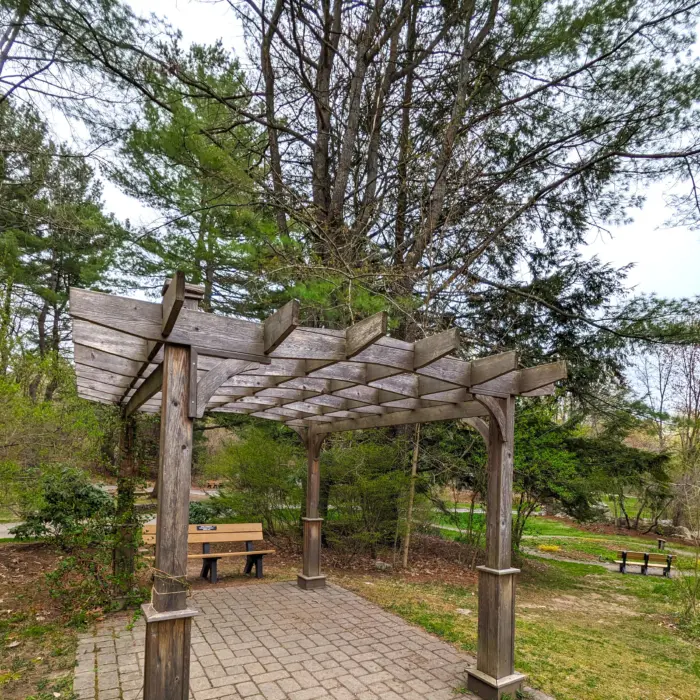
Supported by four posts, freestanding pergolas offer the most versatility, as they can be placed just about anywhere and can be easily customized for use as an entertaining space, dining area, pool lounge, or garden accent.
An attached pergola, on the other hand, becomes an extension of the house (literally, as it relies on the home structure for some of its supports). This can lead to them being more budget-friendly than a stand-alone counterpart, particularly if they’re going to be built over an existing deck or patio.
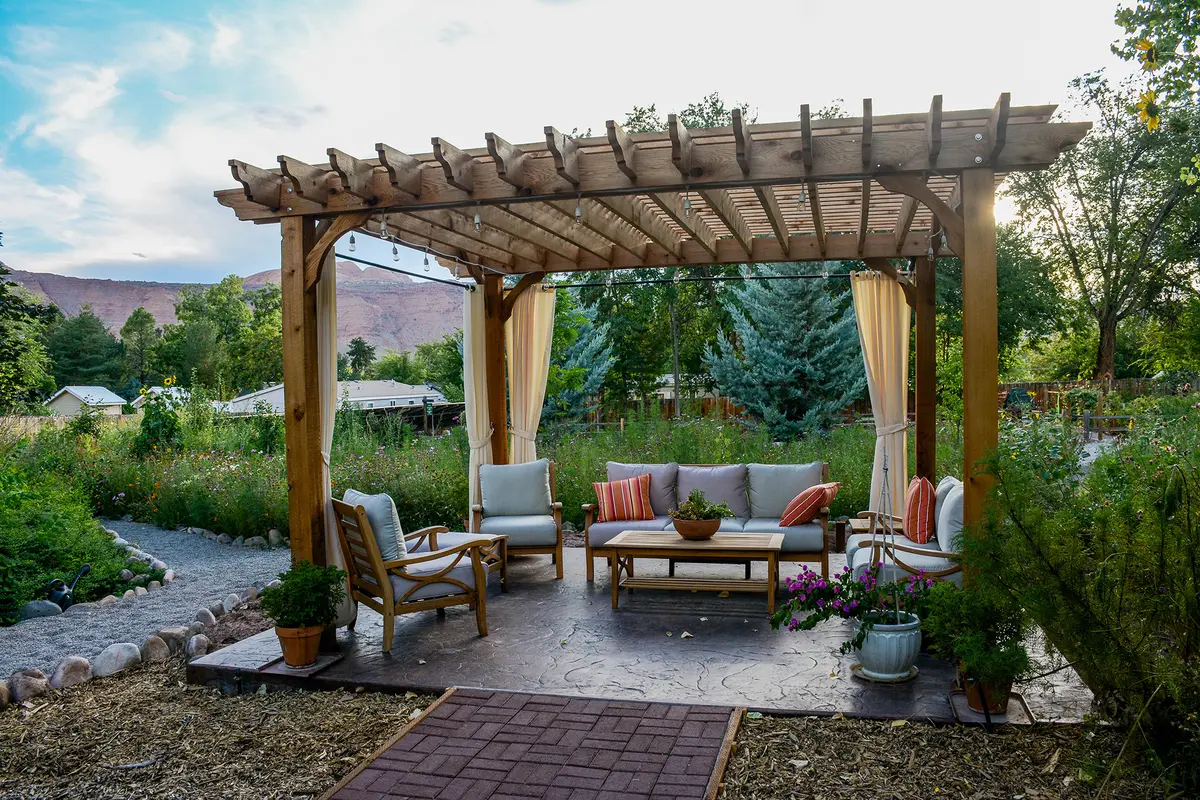
From the Bottom Up
Make sure that the attachments to the home and the existing deck or patio support the additional weight. Otherwise, reinforce them or add footers as necessary.
Many pergolas rely on concrete footings beneath each post, either with the posts set directly into concrete or attached to metal post bases anchored in the concrete. Helical ground anchors offer another option in some locations, eliminating the need for digging and pouring concrete.
The best choice depends on your soil, climate, and local building requirements, so be sure to follow local building codes and the manufacturer’s recommendations.

DIY Delights
Some wood pergola kits only contain the necessary hardware, leaving the homeowner responsible for buying and cutting the wood. Other kits include pre-cut and pre-drilled materials, usually made out of western red cedar or pressure-treated pine, and are significantly easier to build. Composite lumber pergola kits will lower the yearly maintenance significantly, as wood needs periodic re-staining, but composite kits are more expensive up front.
While not the cheapest option, metal pergola kits are typically the easiest DIY option of all. Made of durable, rust-resistant aluminum or heavy-duty powder-coated steel, they require less maintenance than wood and can be found in hardtop and soft-top designs as well as open-air designs.
The ultimate in sophistication and longevity, wrought-iron pergolas can last for decades with proper maintenance. They can be sourced online for a wider selection. Expect to spend four figures for anything of significant size.
For those who like the look of a classic white pergola, there are always moderately priced vinyl or polyvinyl chloride kits. Other colors may be available but may increase the cost.
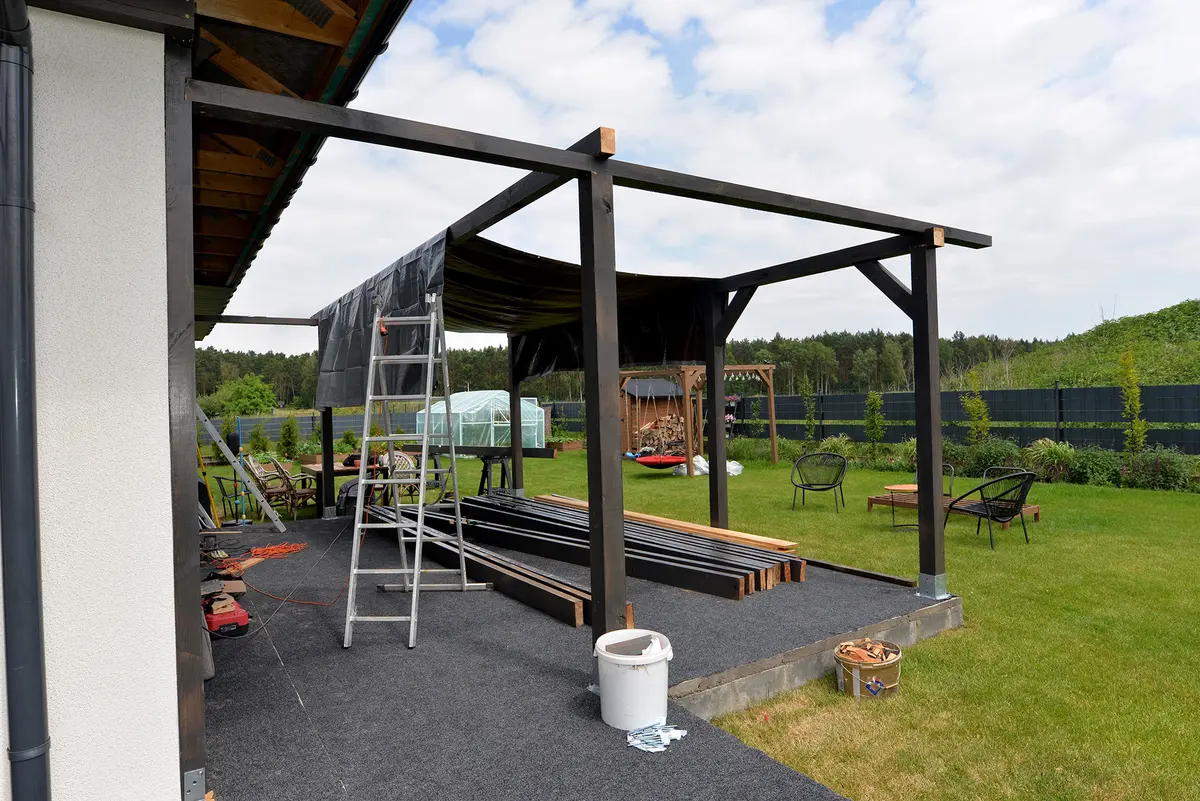
Up Top
One of the major downsides to a pergola is the lack of protection from rain. Some homeowners get around this by adding clear polycarbonate roofing panels or a custom waterproof outdoor-fabric canopy. If you’re still in the buying phase, consider a pergola with an integral retractable canopy made out of outdoor material, or one with a metal or wood open-and-close louvered roof. Both systems are available in manual and motorized configurations.
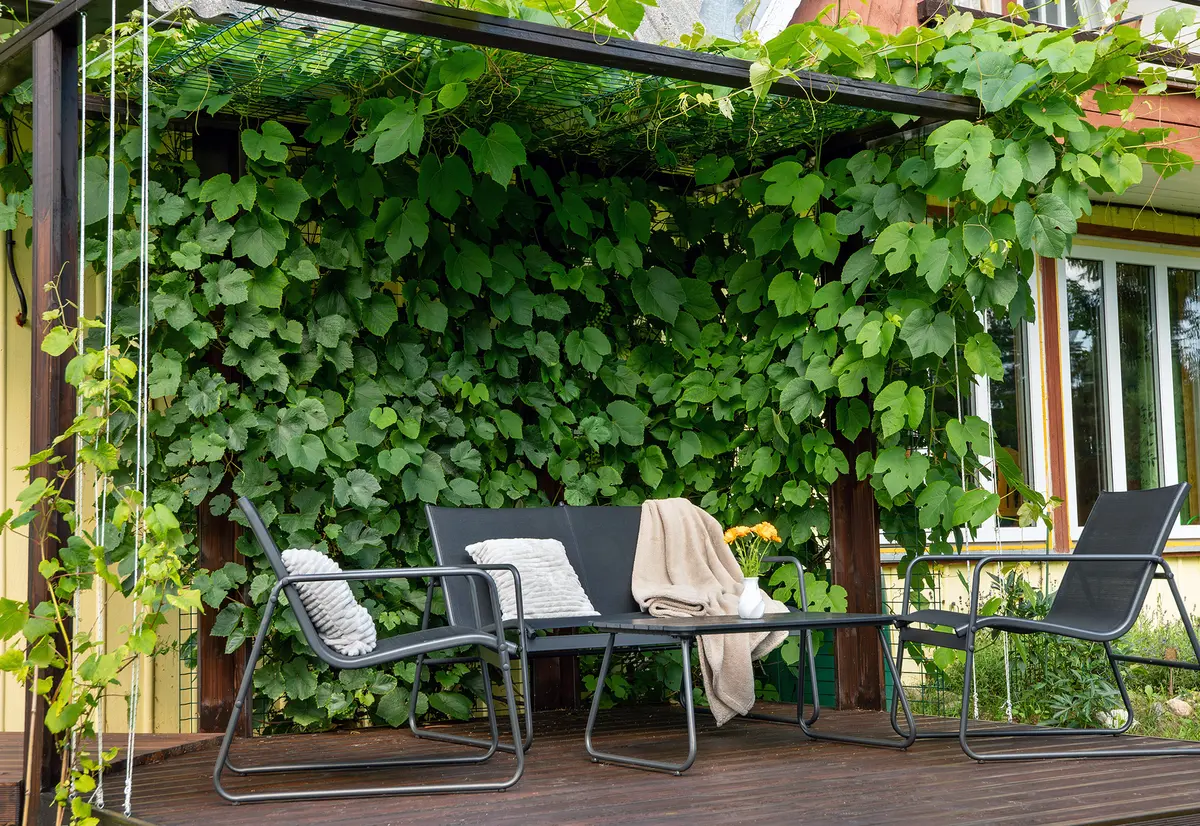
Another option is to let climbing roses, rambling roses, wisteria, jasmine, or grapevines create a natural covering, but make sure that the structure is strong enough to support the weight. This may not provide complete waterproofing, but it will make a significant difference. Plan on two to three years for roses and other flowering plants to completely grow in; grapevines will be faster.
Permit or Permit-Exempt
Many jurisdictions exempt small freestanding pergolas, but zoning requirements vary for every city and town. Check your region’s height requirements, and be sure to place the pergola within the property setback requirements. Additionally, note that a permit is often required to install any electrical wiring connected to the house.
Larger freestanding pergolas, pergolas attached to the house of any size, and those with solid roofs will generally require a permit.
Al Fresco Additions
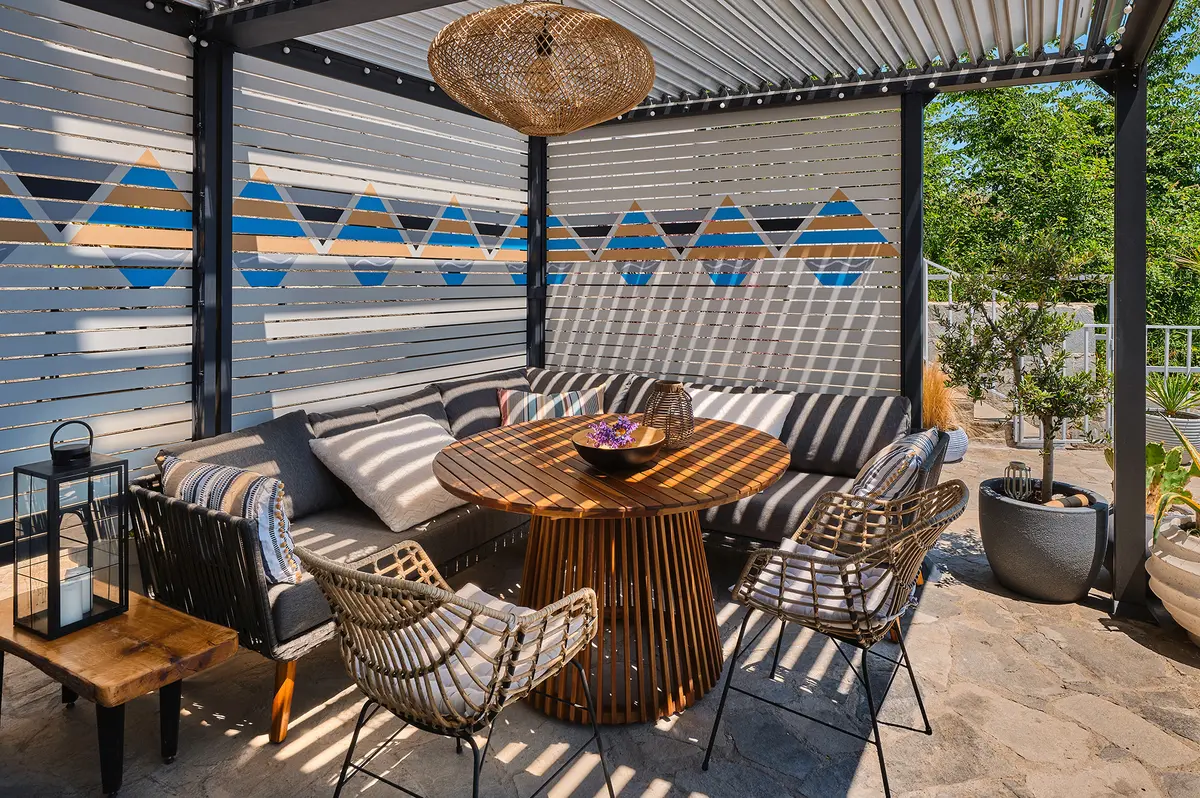
Enhance the pergola’s privacy, style, and weather protection with outdoor curtains, retractable privacy screens, or bamboo side panels.
Power Up
String lights, globe lights, Edison lights, fairy lights, and LED light strips all add ambience, increase nighttime visibility, and are available in solar-powered options. For those with onsite electricity, consider adding an outdoor-rated pendant light over the dining area.
Creature Comforts
A ceiling fan for summer and a radiant heater for chilly weather ensure all-season use. In fact, some luxe pergolas now come with integrated systems. Live in the South? Consider adding a cooling DIY mister system, too.
Moving In
Comfortable outdoor seating or a dining set is just the start. Add colorful throw pillows and blankets (in winter) and an outdoor patio rug to tie things together. A fountain—solar or electric—adds to the tranquility, while a fire pit adds warmth and atmosphere.