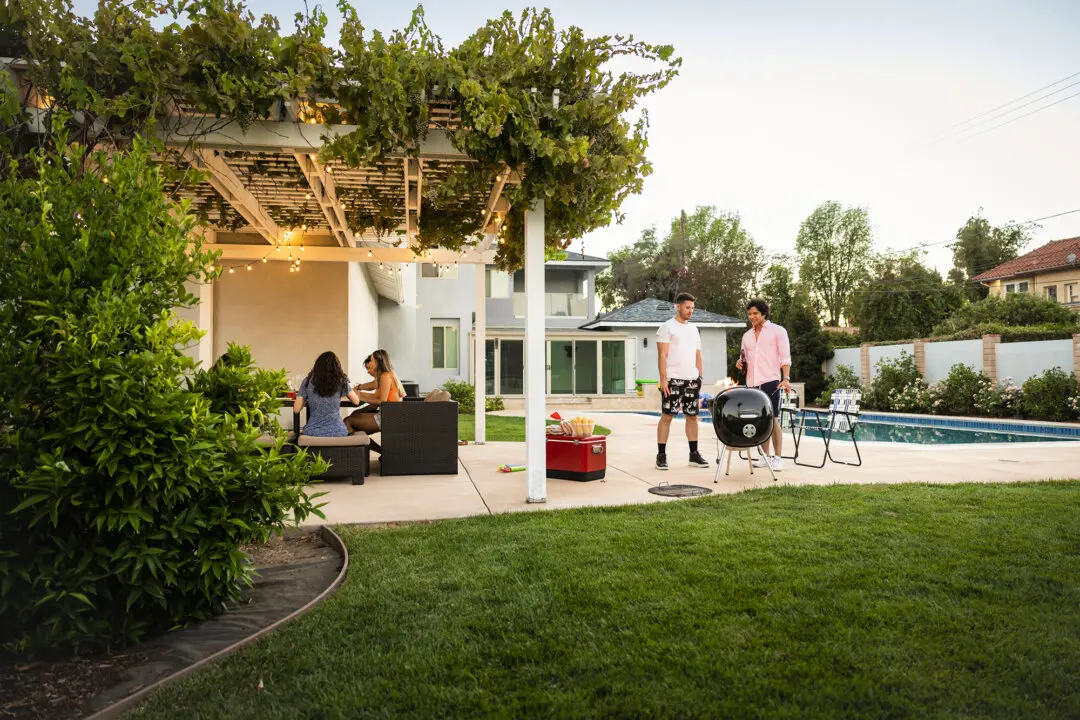
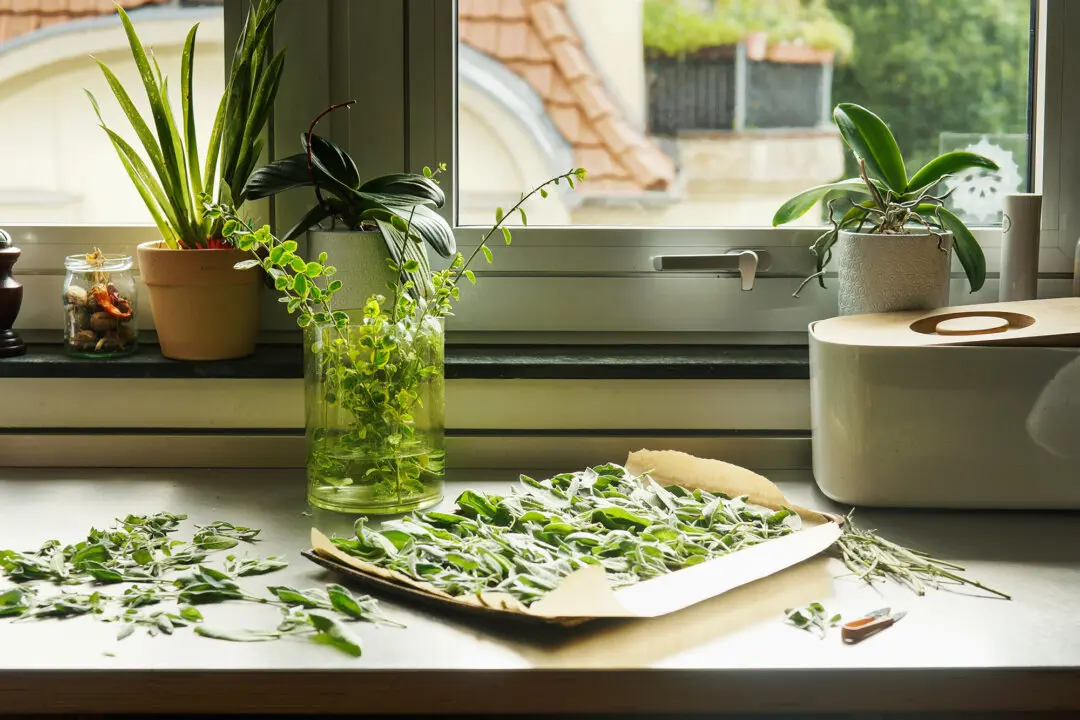
After the heat of the day, wouldn’t it be wonderful to escape into a tranquil oasis with cool breezes, soothing fragrances, and alluring overnight pollinators? That’s where a moon garden comes in. It can be as simple or complex as the gardener likes and is equally well suited for kicking back and relaxing or hosting an evening fete.
It all starts with adding a few new plants. One popular starter plant choice is the aptly named moonflower. A member of the fast-growing morning glory family, it has eight-inch, sweetly fragrant white trumpet-shaped flowers and can be grown from seed or cuttings. Nicknamed the tropical white morning glory, it is a host plant for hummingbird and sphinx moths. It experiences a huge growth spurt as the temperature rises and will need a fence, arbor, or trellis for support. Gardeners in cooler locales may want to keep it in a pot so it can overwinter indoors.
Midnight Blooms
Ever stepped outside to discover a delightful scent in the neighborhood? It just might be night-blooming jasmine of perfume fame. Not a true jasmine, this evergreen shrub with white to light green, spicy-sweet-scented flowers is a member of the Solanaceae (nightshade) family. It can spread to 15 feet in the tropics and grows year-round in Zones 9–11. Freezing temperatures in Zones 7–8 will kill the above-ground foliage and stems, but the roots are hardy enough to survive and resprout in spring. You can also grow it in a container that can be brought indoors.
Another low-maintenance option is evening primrose, which is so vigorous that it can be found growing wild in fields, prairies, and even roadsides. Hardy in Zones 3–9, some varieties grow five to seven feet tall, three to five feet wide, and feature a delicate, ephemeral fragrance. It is technically a biennial (sets seed in the second year), but let it be and it will easily naturalize—growing back year after year from dropped seeds.
Annual Additions

There are several undemanding annuals to choose from, too, such as night phlox with its lacy white flowers and honey fragrance; flowering tobacco, with its fragrant white flowers; and four o'clocks, which open their lightly scented tubular white, orange, pink, or yellow flowers in the evenings.
Tuberose, which is used as an ingredient in perfume blends, makes an excellent nighttime ornamental, as do angel’s trumpet and devil’s trumpet, which both add visual interest with their large, fragrant, drooping, trumpet-shaped flowers. However, keep angel’s trumpet and devil’s trumpet far from children and pets, as they are highly toxic.
Consider rounding things out with some inexpensive, friendly-faced, white-flowered Shasta daisies. While not a night bloomer, their flowers can last for up to a week, providing round-the-clock ambience.
Plant clumps of flowers together for a more powerful effect.
Factor in Foliage
Silver, white, and other pale leaves provide beauty both night and day. Dusty Miller (aka Silver Dust), an easy-care annual, is a top choice because of its ready availability at most garden centers and its lightly aromatic, fuzzy, silver-gray leaves that have shimmery, reflective properties in moonlight.
Lamb’s ear has similarly colored velvety leaves and produces stalks of tiny purple-pink flowers that are often removed to keep the plant compact and allow it to focus on its foliage. Stems root at the nodes, and the plants may need to be divided every three to four years. That’s good news, as it means more babies to plant out or share with family and friends.
Gray santolina, which is also known as lavender-cotton despite being a Mediterranean herb, is a robust perennial for Zone 7. It features light-reflective leaves and produces fragrant, bright yellow button flowers that can be made into aromatic sachets. It has sometimes been used as a spice and in holistic medicine and thrives in hot, dry summers.
Common English silvery lavender is happiest in Zones 5–7, though it can be grown in a pot and brought indoors to overwinter in cooler climates. It offers shimmering foliage under moonlight, a vibrant scent, and delicate, pale purple blooms.
Artistic Designs
Variegated white, red, and green caladiums provide a stunning accent both in the landscape and in containers. The more white used in the pattern, the more luminous it will appear at night, as seen with the University of Florida’s unique cultivar, “Florida moonlight.” Perennial in Zones 9–11, they are typically grown as an annual elsewhere.
Prized as a ground cover and famed for its pretty leaf patterns, brunnera is hardy in Zones 3–9. Slow growing, they spread through creeping rhizomes, clumping, and seeding. Jack Frost and Queen of Hearts look particularly lovely at midnight. Both feature baby blue flowers.
A popular indoor houseplant that’s also an outdoor perennial in Zones 9–11, begonias are prized for their showy leaves. The silver-dappled “white ice” varietal revels in the moon’s glow—set it outdoors in the summer.
______________
Lunar Landscape
Install a garden ball or a shiny metal sculpture to reflect moonlit plants and flowers while adding elegance.
Everyday Glow
Don’t make the moon do all the work. Lighting will always add ambiance, whether the moon is shining dimly or brightly. Solar pathway lights make for safer walking, while strings of patio lights add a starry twinkle. Let your imagination soar.
Permanent Radiance
Add permanent whites and silvers to extend the moon garden into the winter. Got a garden whimsy? Paint it. The same goes for wrought iron patio furniture, as well as concrete planters and other hardscape features. Throw in some sun-bleached seashells.
Water Works Wonders
Adding a pond that reflects moonlight will turn even the smallest backyard into a vacation destination, but any water feature will work. A birdbath or fountain will make the yard come alive with depth and peace. It will also increase the number of wildlife visitors, as it provides a hydration station for them during dry times.