Get out the garden basket—the veggies are growing fast and furious. Plan on picking tomatoes, beans, cucumbers, peppers, corn, eggplant, and summer squash (zucchini madness!) often, perhaps even daily, to encourage more production.
Harvest veggies in the morning for the most moisture content, texture, and flavor. Midday heat softens veggies, particularly tomatoes, making them more prone to bruising. Leafy greens, too, should be picked in the early morning coolness in order to get the best flavor and a crisp texture.
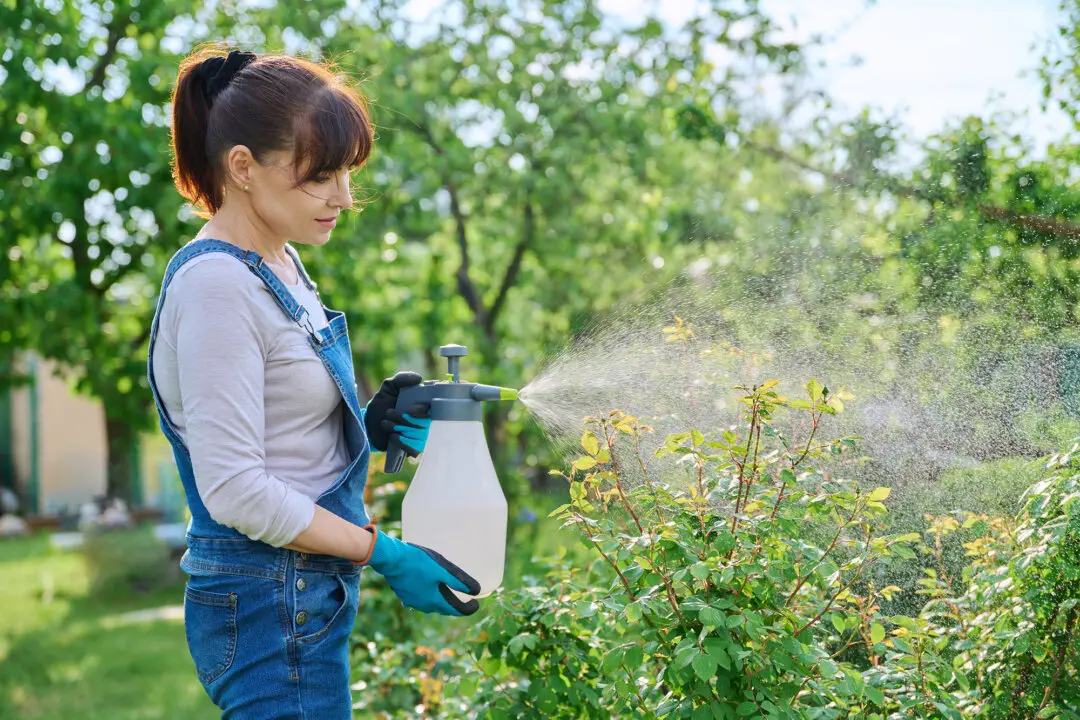
Increase the watering schedule as needed to reduce plant stress and help avoid typical August concerns such as blossom end rot, splitting, or blight on tomatoes. In fact, keep a meticulous eye out for bugs, disease, and any other potential problems. Treat it immediately before the heat and humidity make things worse. Also make notes of planting times, yields, successes, and frustrations to review over the winter when planning for next season.
Succession Success
To maximize yield, continue to succession plant fast-maturing choices such as radishes, spinach, arugula, and, of course, one of the easiest greens to grow—lettuce. Mid-to-late August is also an ideal time to fill in some gaps opening up in the garden with fall’s fast growers: carrots, beets, turnips, kale, arugula, Swiss chard, mustard greens, and cool-weather lettuces.
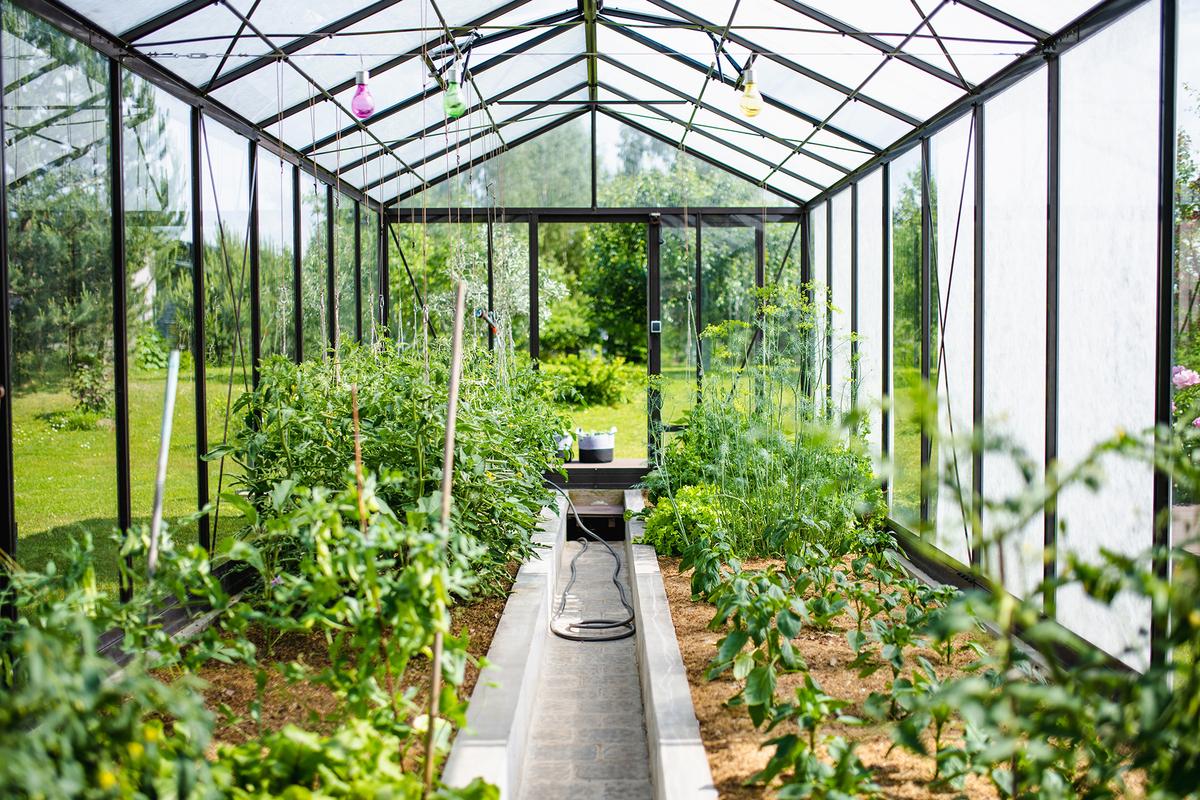
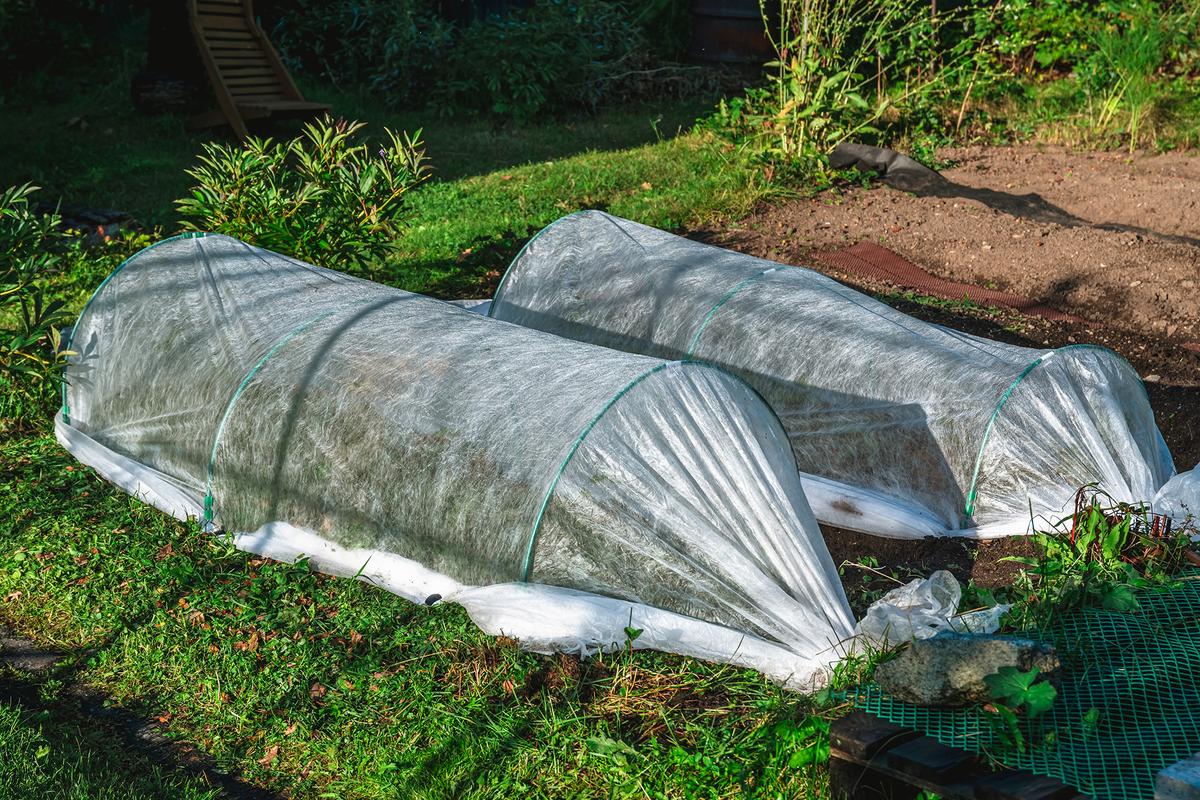
Keep in mind the coming first frost date. Plant so there’s time for them to mature, or opt for quick-maturing varieties. For those in the North whose first frost date always comes too soon, now’s the time to consider investing in season-extending row covers (lightweight fabric placed directly over plants), low tunnels (lightweight fabric supported by hoops), or frost cloth (heavier fabric). Always keep the fabric from touching leaves directly during a hard freeze. A larger alternative is a walk-in high tunnel (hoop house), a permanent structure much like a greenhouse.
Transplant Shortcut
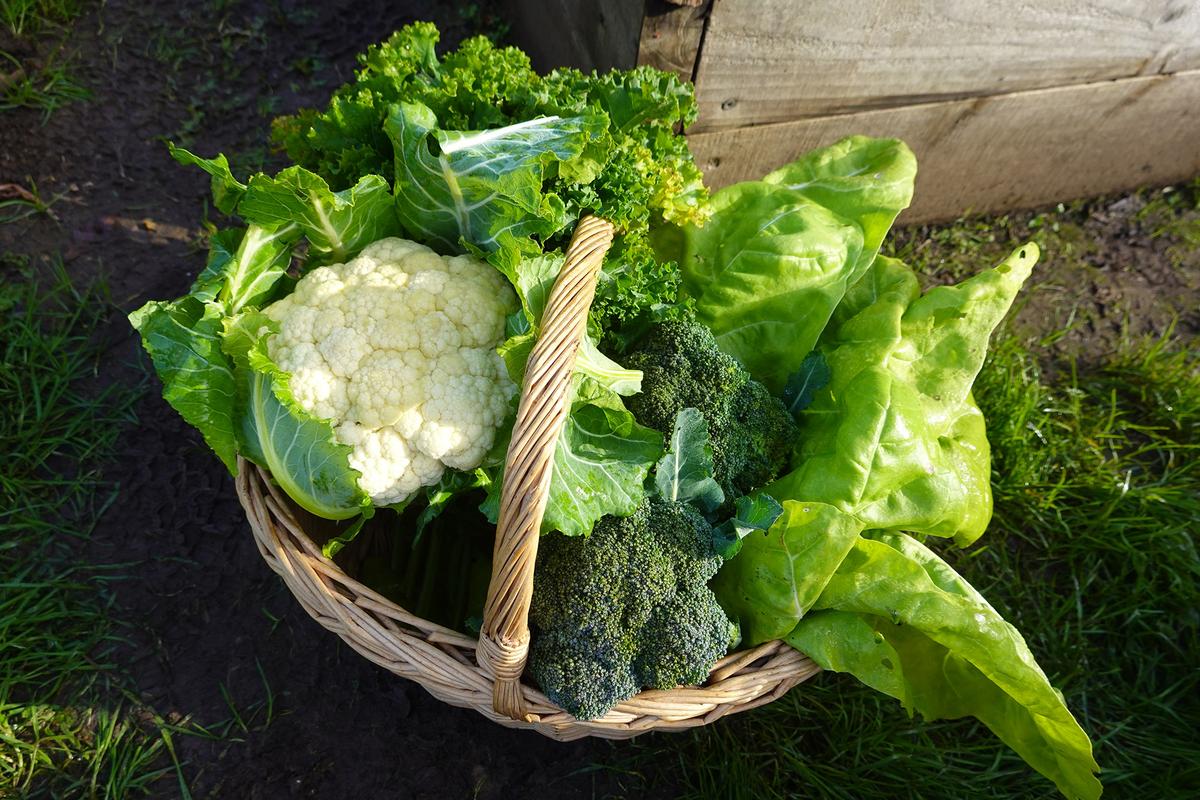
Gardeners in some parts of the Deep South may still have time to grow cool-weather-loving broccoli, cauliflower, cabbage, and Brussels sprouts from seeds, but an easier option is to go with transplants. This is particularly true for broccoli, which can take up to 100 days when direct-sown into the garden from seed. While the first three can tolerate a light frost, Brussels sprouts actually taste better after experiencing one or more frosts.
If seedlings weren’t pre-sprouted indoors in July, add that to the calendar for next year to save money and increase the selection of varietals.
Peas and Beans
While both bush and vining beans will thrive in cooler temps, gardeners with a looming first frost date will want to focus on bush beans, particularly 60- to 70-day early maturing types such as Tendercrop, Contender, Top Crop, and Early Bush Italian. Consider succession planting every 10 days to increase production. At the worst, a few last plants may be lost to a cold snap. Bean seeds are relatively inexpensive and perform well as late-summer temperatures begin to cool.
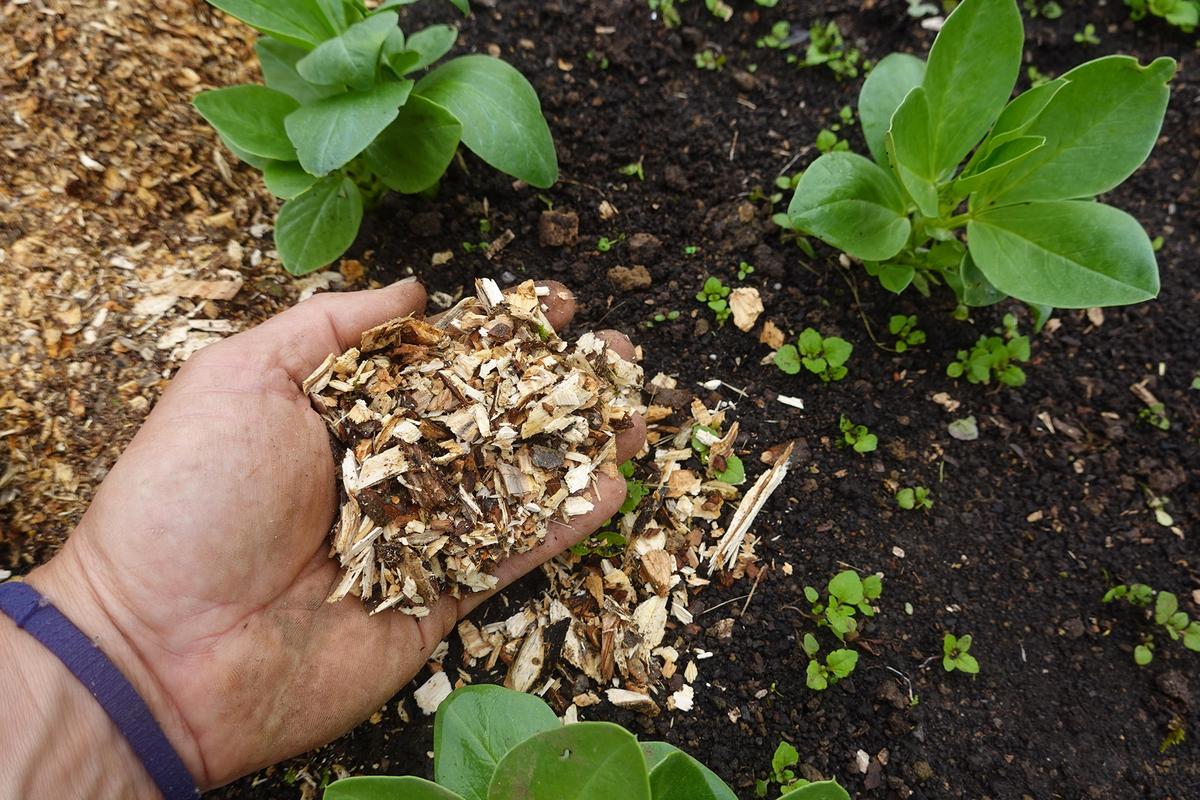
Southern gardeners will want to add a loose layer of straw or other light mulch to help cool the soil during summer heat. In fact, a loose layer of mulch is a good idea in all agricultural zones, as it also helps retain water and suppresses weeds.
Snap peas, shelling peas, and snow peas should be sown eight to 10 weeks before the anticipated first frost. Be sure to give them plenty of water during both germination and pod development. Definitely don’t let the soil dry out. Harvest snap peas as soon as they plump up and give their trademark “snap.” The same goes for shelling peas, which, if left on the plant too long, may become tough. Snow peas are the exception; they are harvested while the pods are flat so the peas inside are still young and tender.
Flavor Makers
Late August is also a good time for warmer-climate gardeners to toss some scallion/green onion seeds into the garden to enjoy their fast-growing tasty tops and small, tender white bulbs. Or for near-instant gratification, cut off the top of grocery store green onions, leaving an inch or so of leaves above the rooted base. Eat the greens, and then place the bottom in water or soil to regrow.
This is also the time to plant regular onion sets or transplants. In Zone 8 and above, they’ll be ready to harvest in three to five months. Elsewhere, you can also let them overwinter to produce an early spring crop. If overwintering, be sure to protect them with a generous layer of mulch.
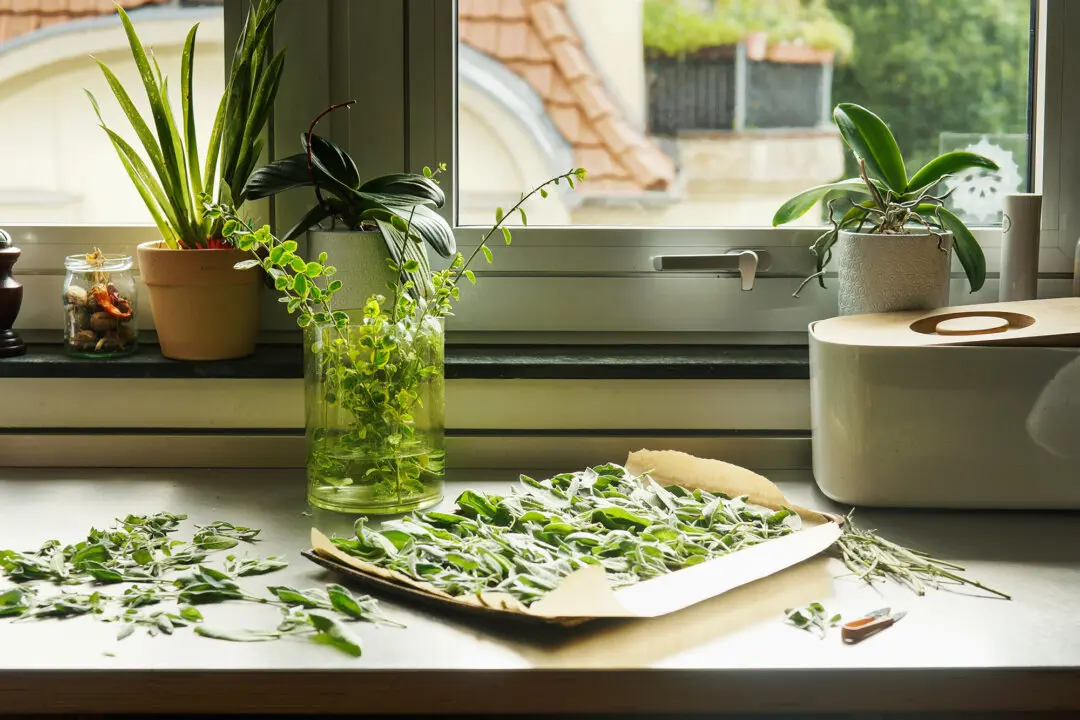
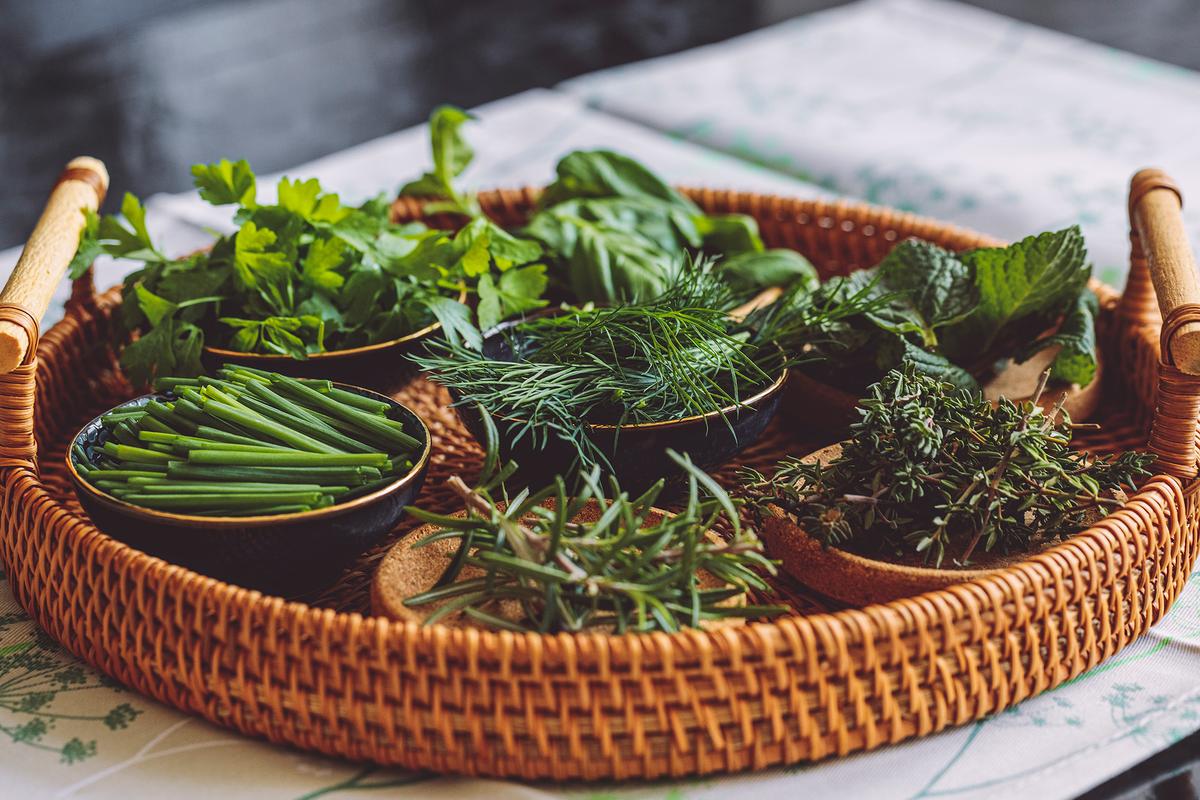
Instead of simply planting out, consider starting fall herbs such as dill, parsley, cilantro, oregano, thyme, sage, rosemary, and winter savory in decorative pots that can be brought in to nibble on throughout winter.
Fall Colors
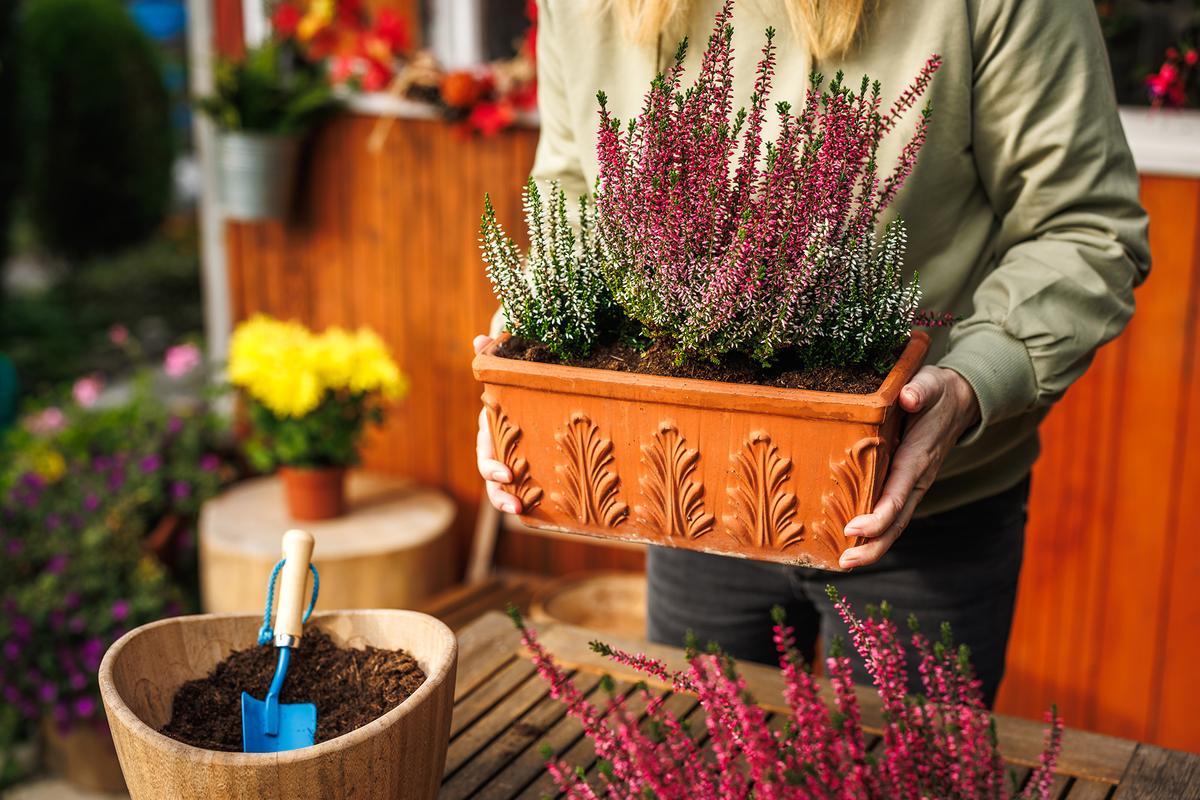
Chrysanthemum, coneflower, black-eyed Susan, gaillardia, calendula, aster, dianthus, and sedum will all provide a colorful show in both the current summer heat and the coming cool.
______________________________
Future Generations
Part of enjoying a bountiful harvest is planning to dedicate some of the last fruits and flowers from the best plants to save as seeds.
Dry Method
The best seeds to start with for beginners are beans, peas, broccoli, lettuce, herbs, and flowers. Why? Because they can simply be left on the plant until just before drying. Continue drying them in a cool space indoors on a screen or in a paper or nylon bag for flower heads to catch loose seeds.
Wet Strategy
Wet seeds, such as tomatoes, cucumbers, and melons, should be scooped out and placed in a jar with water to ferment for two to four days. Stir daily. Viable seeds will sink to the bottom. Remove the floating pulp and place the good seeds on a screen to dry.
Simple Storage
When storing seeds for the next season or two, simple envelopes should do. Be sure to label each with the varietal and year. If pests are a concern, store seeds with or without envelopes in glass jars. For longer storage, add a desiccant to the jar, and consider storing it in a refrigerator, as 35 degrees to 45 degrees F is ideal for multi-year storage.