How to Grow Herbs All Summer Long

Flavorful, fresh herbs add vivacity to summer salads, rubs, marinades, soups, cold drinks, and much more.
How to Grow Herbs All Summer Long
Sage is a heat-tolerant herb that thrives in well-drained soils and little watering. Harvesting it frequently encourages health new growth. VICUSCHKA/Getty Images
|Updated:
0:00

The golden rule of real estate is also the secret to growing herbs through the hot summer months and into fall: location, location, location.

Choose the best planting location available, keeping your region’s climate in mind. Bodacious basils, tasty thymes, marvelous mints, and other herbs should be given protection in areas with prolonged heat and intense afternoon sun during the hottest months. Even full-sun herbs that normally prefer eight or more hours a day—like rosemary, basil, thyme, and oregano—can make do with six in hotter climates. Likewise, partial-shade herbs that may want six hours of sun in cooler months or regions—mint, cilantro, dill, parsley, and chives—can still thrive with three hours per day in warmer regions. Plan accordingly.

Mobile Home or Fixed

Containers that are big enough to host several plants but small enough to be moved are a handy way to adjust the amount of sunlight plants will get. This is particularly useful if they start to appear sunburned—signs include bleached, white, yellow, or crinkly brown patches on sun-facing leaves. Keep in mind that container plants will need more watering than if they were growing in the ground. Tender perennials (like rosemary and lemongrass) do particularly well in containers, since they can be moved indoors to overwinter without the trauma of disturbing their roots.

Shade cloth is a popular way to protect herbs in the ground or a large container while allowing them to get sufficient hours of light. In general, a 30 to 50 percent shade cloth is recommended for midday sun.

Tight budget? An old-fashioned alternative is to drape a sheet or open a patio umbrella over the plants during the hottest hours of the day.

Planting herbs in dappled sunlight, where trees provide varying levels of shade based on their leaf density, is another option.
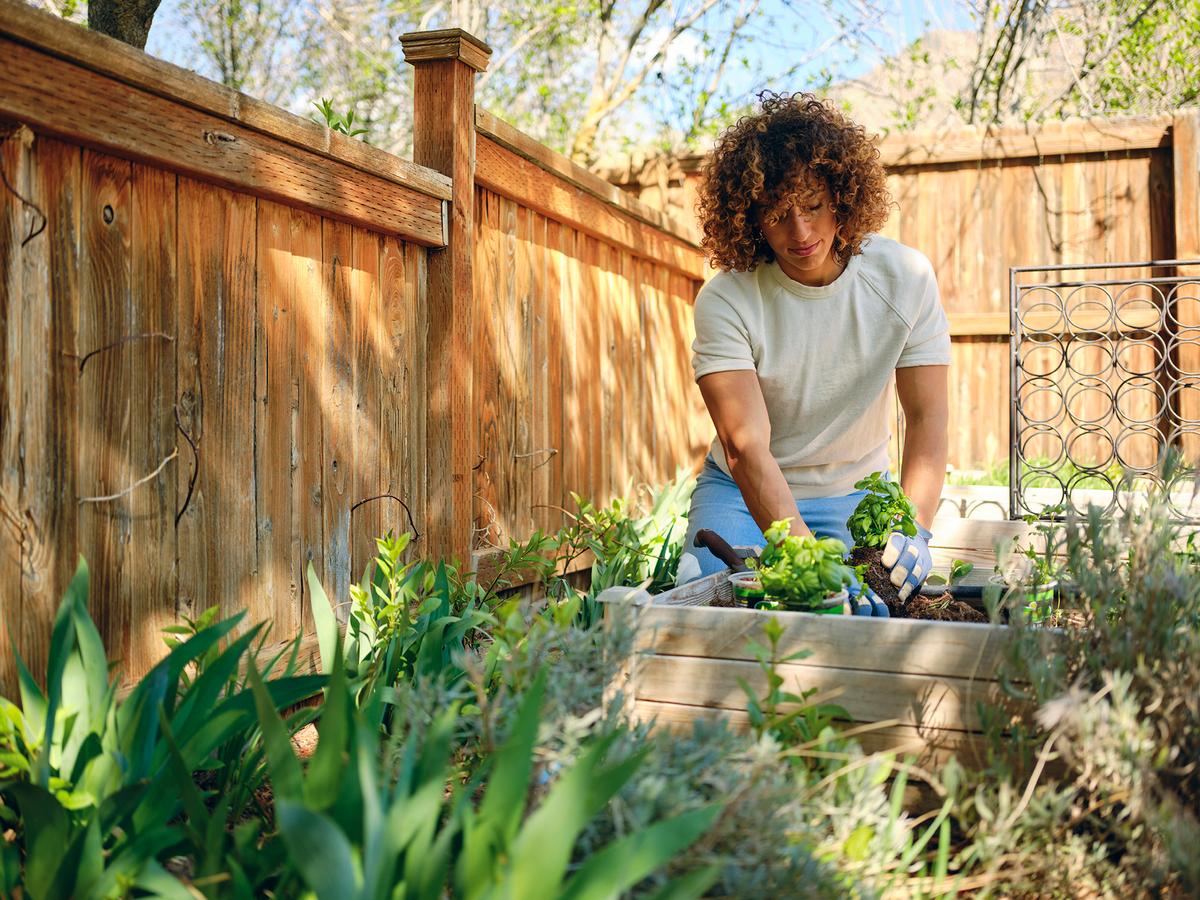
In hot climates, many varieties benefit from protection from the intense afternoon sun. (O2O Creative/Getty Images)
In hot climates, many varieties benefit from protection from the intense afternoon sun. O2O Creative/Getty Images

SummerThyme (Pun Intended) Faves

Thyme and lemon thyme both do very well in full sun, and they double as beautiful ground covers.
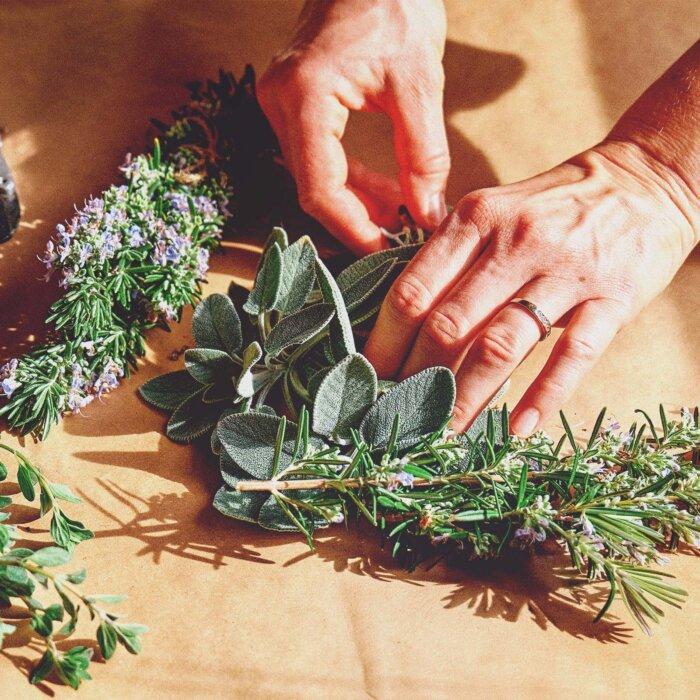
Sweet basil, if given some protection, will make a great addition to a Caprese salad along with fresh garden tomatoes. If garden time is limited and you like peppery flavors, consider the more heat-resilient Thai basil or clove-like holy basil, which is traditionally used in holistic medicinal teas and remedies.

Oregano is native to the dry, hot Mediterranean and will spread easily. Marjoram, which makes an excellent oregano substitute, is another heat-resilient option that should be pruned regularly to keep stems herbaceous, not woody. Though not a true oregano, large-leafed, spicy Cuban oregano is the most brawny of all and thrives on benign neglect and regular harvesting.

Not just for Thanksgiving dinner, rosemary and sage both require minimal watering and don’t like to get “wet feet.” Harvest regularly to keep them young and productive.
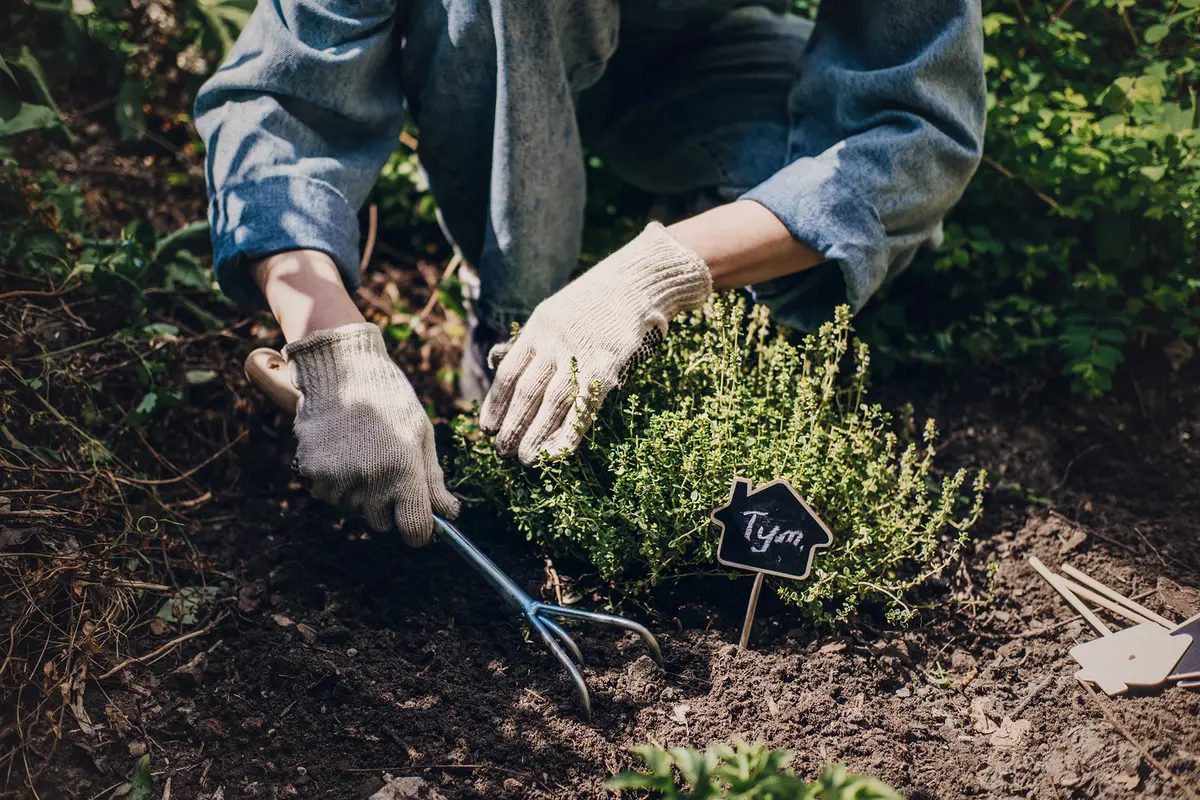
Loosening the soil improves drainage. (Iryna Khabliuk/Getty Images)
Loosening the soil improves drainage. Iryna Khabliuk/Getty Images

Tropical lemongrass, which can do double duty as a summer ornamental landscape grass (or year round in some southern climes), offers limited bug-repelling properties as well as culinary benefits. It likes to be consistently moist, so consider installing an irrigation system or planting it adjacent to a lawn with a sprinkler system.

Gardeners with limited space will find that most herbs do well as border plantings or in flower beds and, of course, as companion plants for vegetables.

Shade Fans

Mints are a staple of cool summer iced teas and drinks, from common spearmint and peppermint to the multitude of exotics (orange, chocolate, apple, pineapple, mojito, and banana, to name just a few) available at garden centers and online. An east-facing location along the home or fence is ideal, as it will give the plants morning sun but protect them for the rest of the day. Keep them well watered and out of the direct sun between 1:00 and 4:00 p.m. if you live in a hot climate.

Spearmint, peppermint, apple, chocolate, and Moroccan mint (which has a moderately floral flavor) tend to be more heat-resistant. Their cousins lemon balm and catnip will also produce nicely when well-watered.
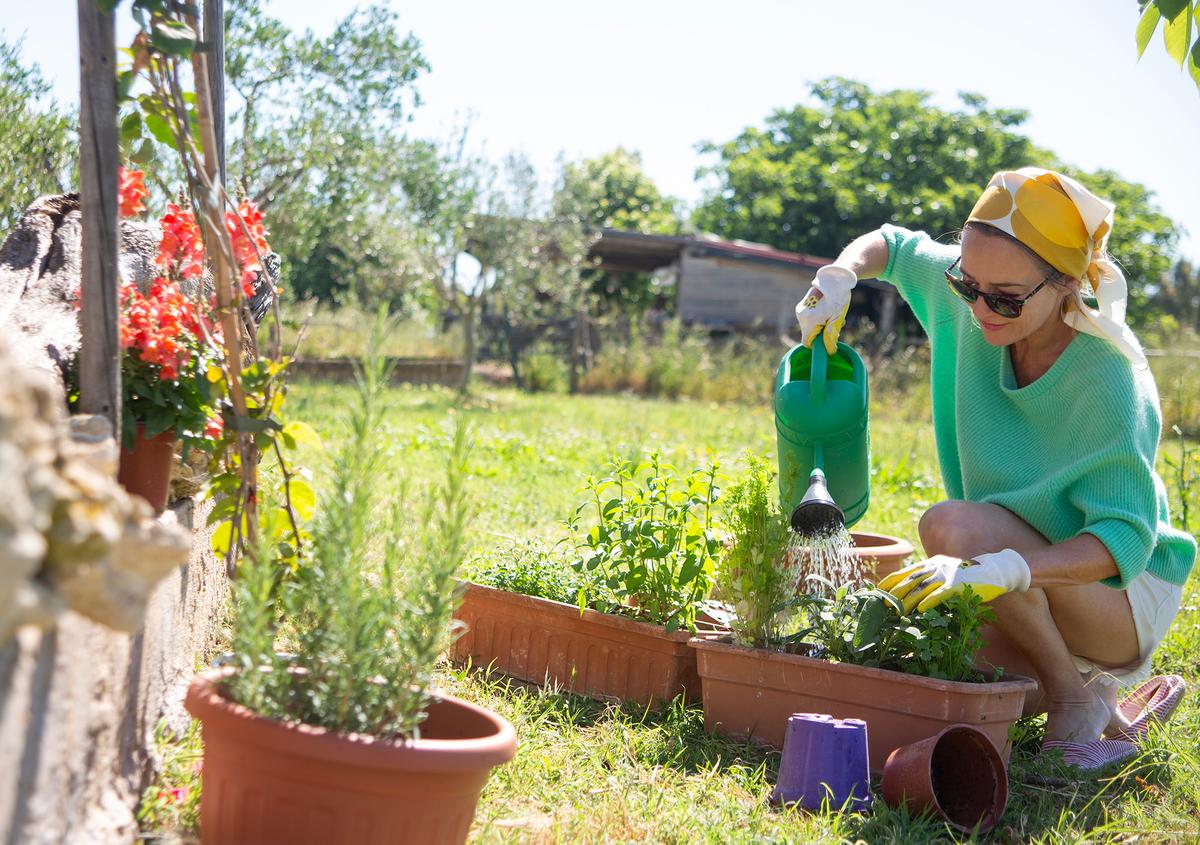
Container plants typically require more watering than those planted in the ground. (Kathrin Ziegler/Getty Images)
Container plants typically require more watering than those planted in the ground. Kathrin Ziegler/Getty Images

Chives, with their light onion flavor and edible purple flowers, and garlic chives, with their flatter leaves, garlic ambiance, and edible white flowers, will do well with as few as three hours of morning sun per day. Keep chives well-watered and harvest leaves often.

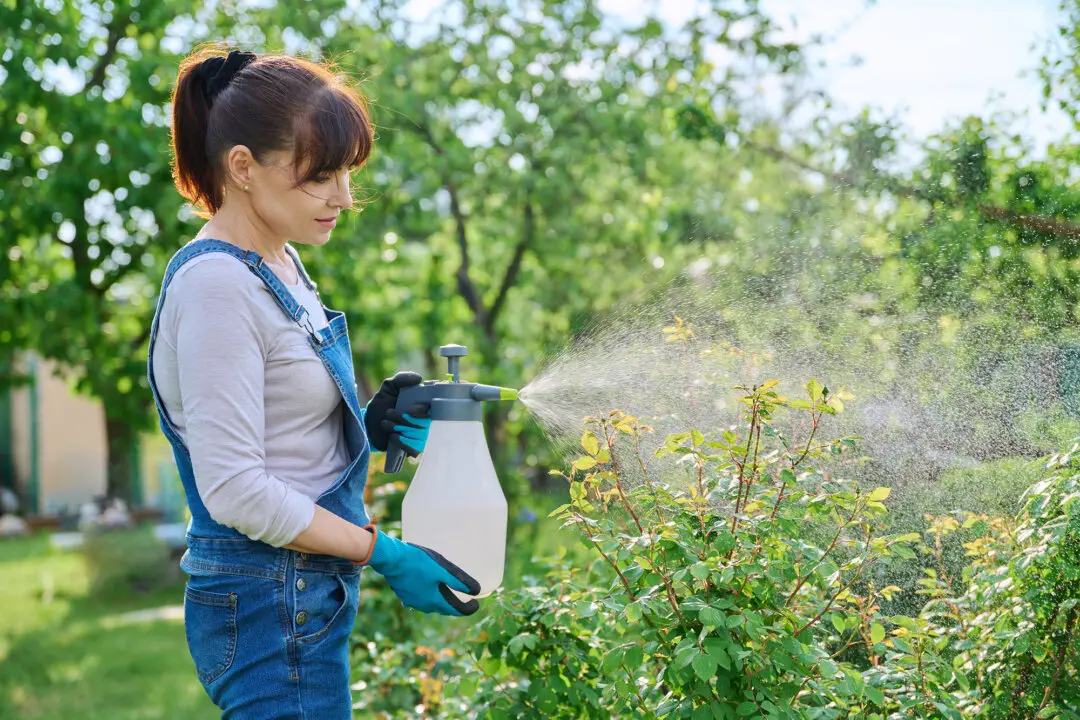
While cilantro is a key ingredient in Mexican cuisine, it actually doesn’t like hot temperatures. The solution? Choose a flower-delaying, slow-bolt variety like Calypso or Delfino, and plan to do some succession planting (start replacement seedlings indoors and plant out as needed). There are also slow-bolt, heat-tolerant dill varieties such as bouquet and fernleaf, and flat-leaf parsley will stand up to a harsh summer better than curly-leafed varieties.

The Last Harvest

Make sure to let some plants go to seed, and save those seeds in a cool, dry place to plant next year. Hybrids, such as the slow-bolt varieties, may not reproduce true, so if saving those seeds, consider it more of a science experiment. Definitely don’t forget to take some cuttings for a kitchen windowsill garden.
____________________________

Beyond Summer

Add a few mint leaves, some lemon balm, or the herb of your choice when filling the next ice cube tray to make flavored ice cubes that are decorative, too. Kids will love it.

Easy Storage

Basil, mint, and other soft-stemmed herbs can be stored in the fridge in a jar with water for a week. Rosemary, sage, and thyme should be stored in a damp paper towel in a resealable plastic bag. Herbs can also be frozen in the freezer on a cookie sheet, then stored in freezer bags for a few months.

Details on Drying

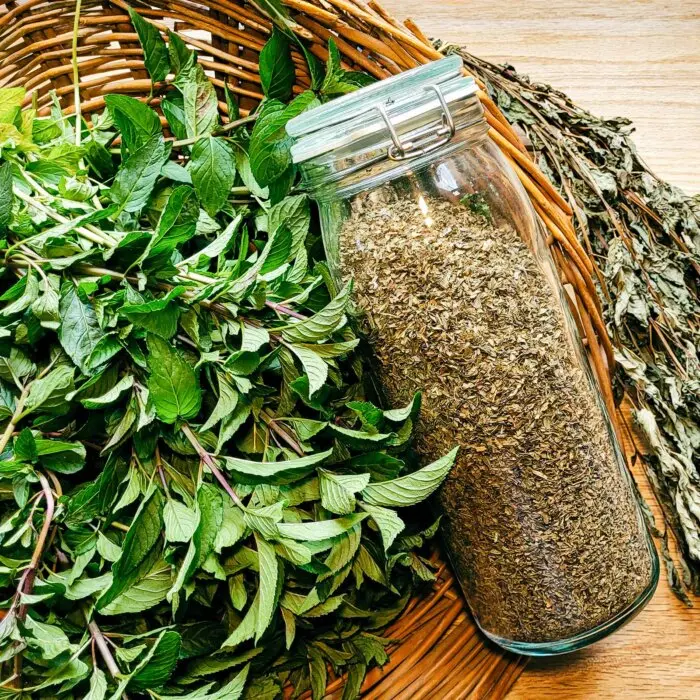
For centuries herbs were preserved by drying them upside down until completely dry, then storing them in jars or bags. Other options include using a multi-level drying rack. For faster results and larger amounts, use a food dehydrator or the microwave.

Vinegar, Oil, and Butter

Herb-infused vinegar is delicious when left to steep for two to six weeks. You can make herb-infused olive oil the same way or make single-serving cubes by freezing it in an ice cube tray, then refrigerating it in a resealable bag. Be sure to look up proper storing techniques, as improper storage carries a botulism risk. Soften regular butter to room temperature, add fresh herbs, roll back into a log shape, and store in the fridge.
Google LogoMark Us Preferred on Google
Sandy Lindsey
Sandy Lindsey
Author
Sandy Lindsey is an award-winning writer who covers home, gardening, DIY projects, pets, and boating. She has two books with McGraw-Hill.