June 21 is the official start of summer this year, but you’ll be able to find new discoveries in the garden throughout the entire month. Many regions of North America are seeing lush greenery and colorful blooms, sprouting summer seeds, hot-weather transplants ready to be planted, and some veggies and greens that are already giving generous harvests. It’s a gardener’s dream season.
Mulch, Mulch, Mulch
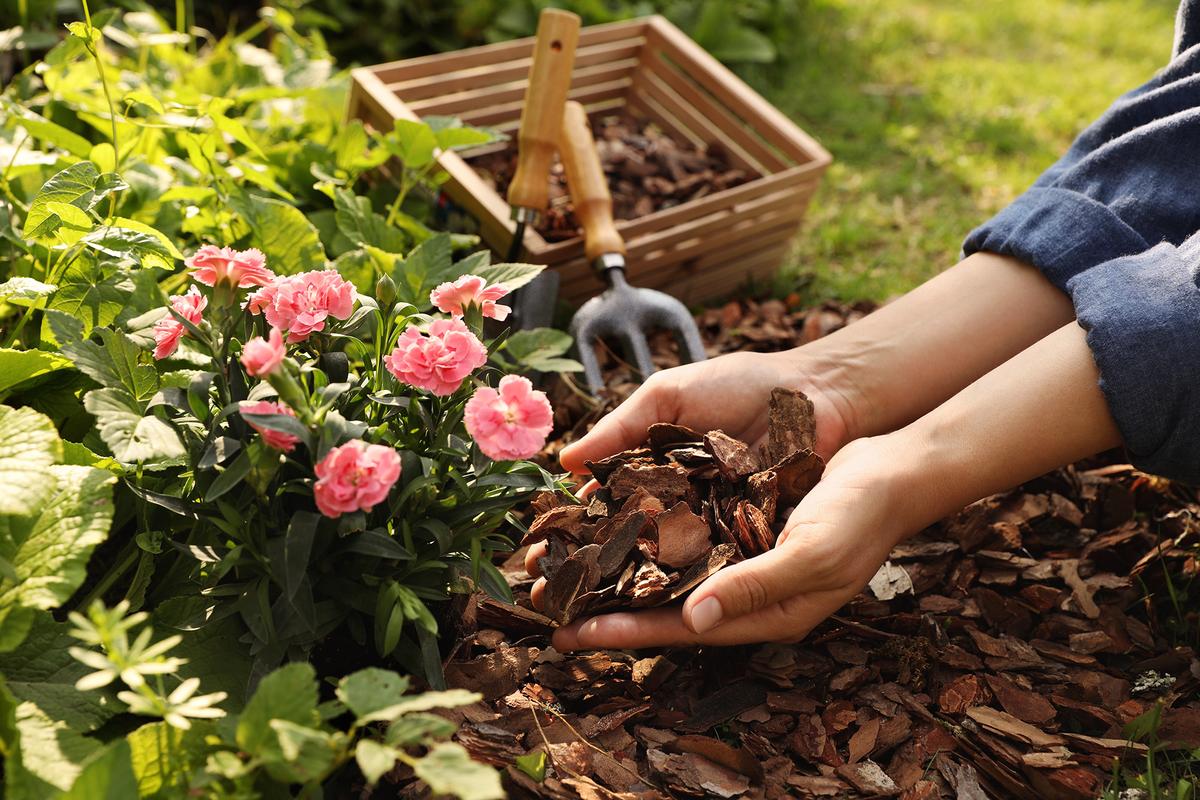
Apply long-lasting, weed-suppressing, soil-enriching, moisture-conserving organic wood chips, hardwood mulch, or pine needles around flowering plants, ornamentals, shrubs, and trees. The goal is a two- to three-inch layer, with a two- to three-inch gap around the plant stem or tree trunk to avoid creating an area conducive to fungus, bacteria, and rot.Four inches of mulch will offer additional weed suppression for pathways and large spaces between beds, where rain permeability is less of a consideration.
The best mulches for vegetable gardens are two to three inches of homemade compost, straw, or shredded leaves. Those will break down fast to feed the hungry vegetable plants.
Fertilizer Facts
For many regions, June is the last chance to fertilize shrubs and trees, since fertilizing in July can cause vulnerable new growth that may not have sufficient time to harden off before the first frosts arrive.It’s also a good time to fertilize warm-season grasses, such as Zoysia and Bermuda, for lush summer growth. Choose a slow-release formula to avoid burning the lawn. Wait for fall to fertilize cool-season grasses such as Kentucky Bluegrass and Perennial Ryegrass.
To maximize flower production, fertilize with a balanced or plant-specific liquid fertilizer every two weeks, or opt for slow-release pellets.
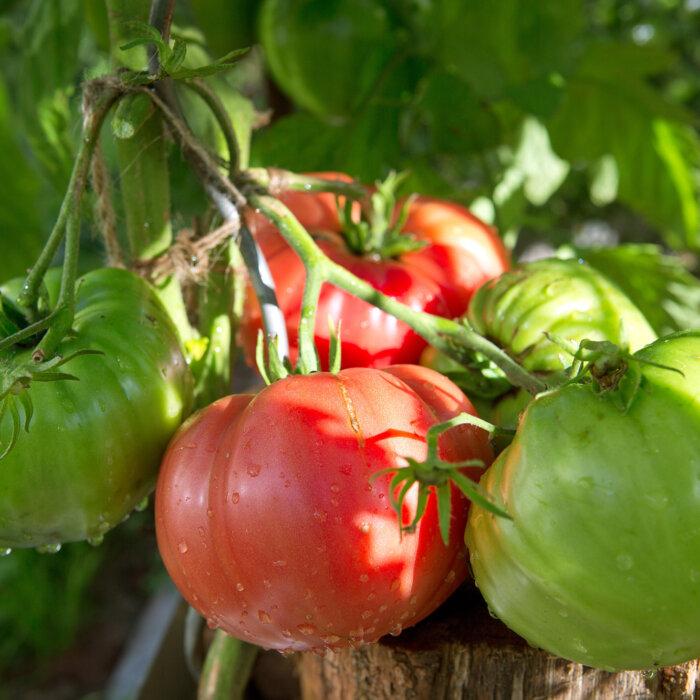
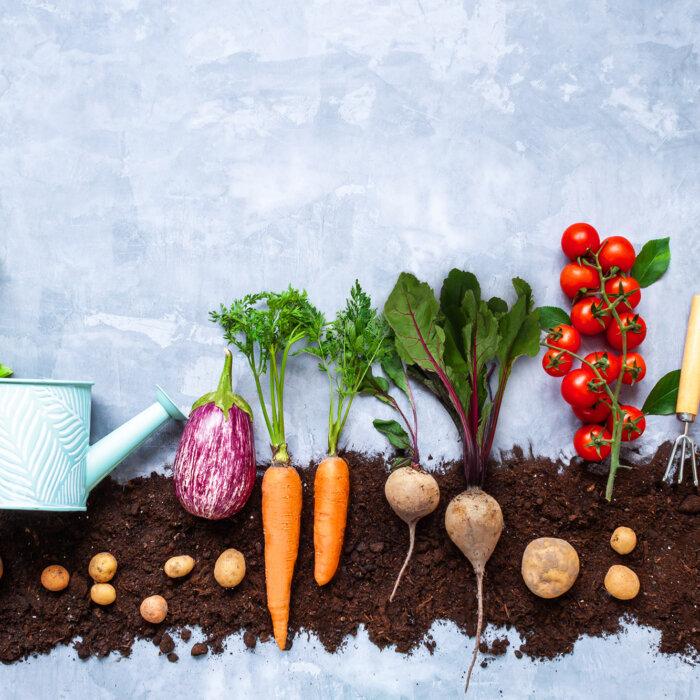
Garden goodies such as tomatoes, squash, corn, cucumbers, and peppers will all benefit from a general veggie or plant type-specific slow-release fertilizer to bolster summer growth. Keep it four to six inches from the plant stems. Wait seven to 14 days before fertilizing transplants.
The Supportive Gardener
Tall flowering perennials and many veggies (tomatoes, pole beans, peas, and peppers) that grow more than two feet tall on a thin stem will benefit from proper staking. Typical options include bamboo, metal, and wood stakes, plant rings, hoops, tomato cages, and trellises. Now’s the time to install them securely—for example, push stakes at least six inches into the ground—before the plants grow any taller.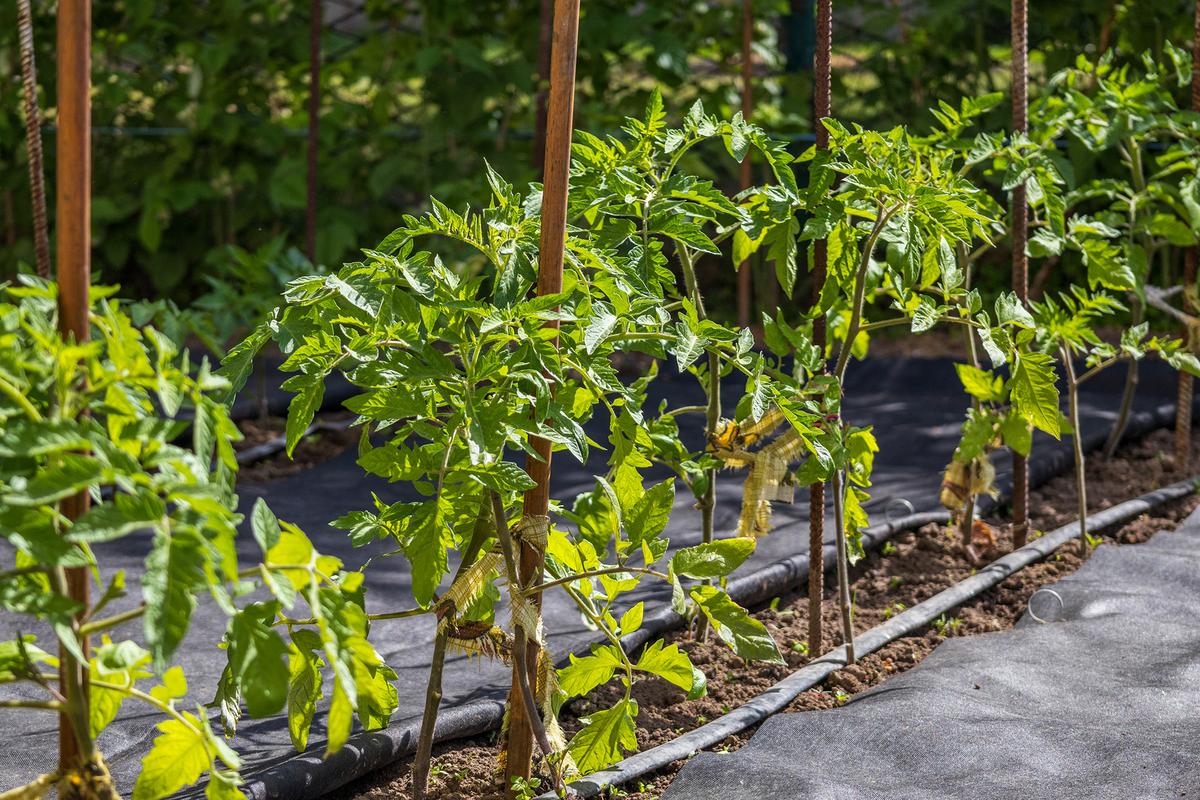
Beneficial Beauty
There’s still time to plant seeds for marigolds, calendula, poppies, impatiens, sunflowers, nasturtiums, zinnias, echinacea, cosmos, and other summer bloomers that attract pollinators and other beneficial insects. Now is also the time to plant dahlias, gladiolus, canna lilies, caladiums, and other warm-weather bulbs.Direct Sown Ease
Cucumbers, melons, corn, and carrots all prefer to be direct sown, rather than transplanted. Others on the “it’s not too late to plant seeds directly into the garden” list include beans (bush and vine), zucchini, okra, and winter squash.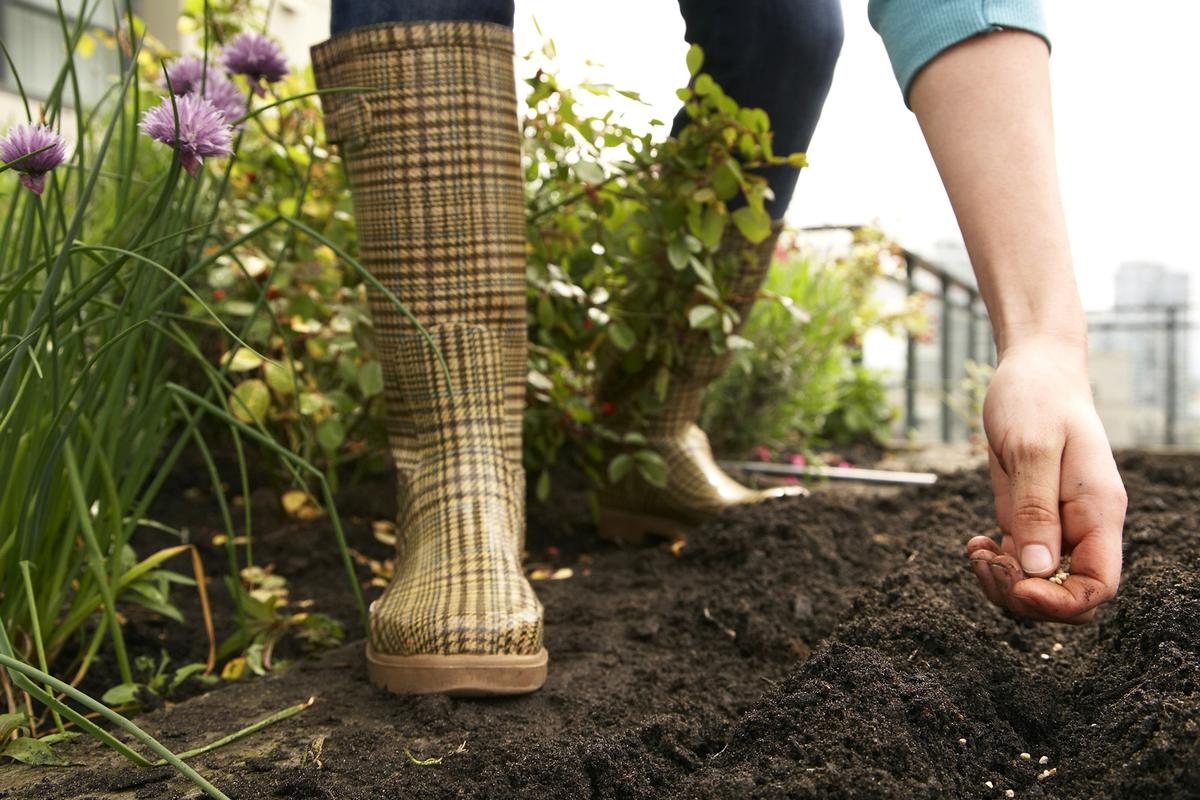
Tactical Trims
Prune azaleas, forsythia, and rhododendrons as soon as they’ve finished blooming. Wait too long and there’s a risk of accidentally removing next year’s buds.Lilacs should be deadheaded (remove spent blooms), and you should remove some older woody stems to encourage new growth.
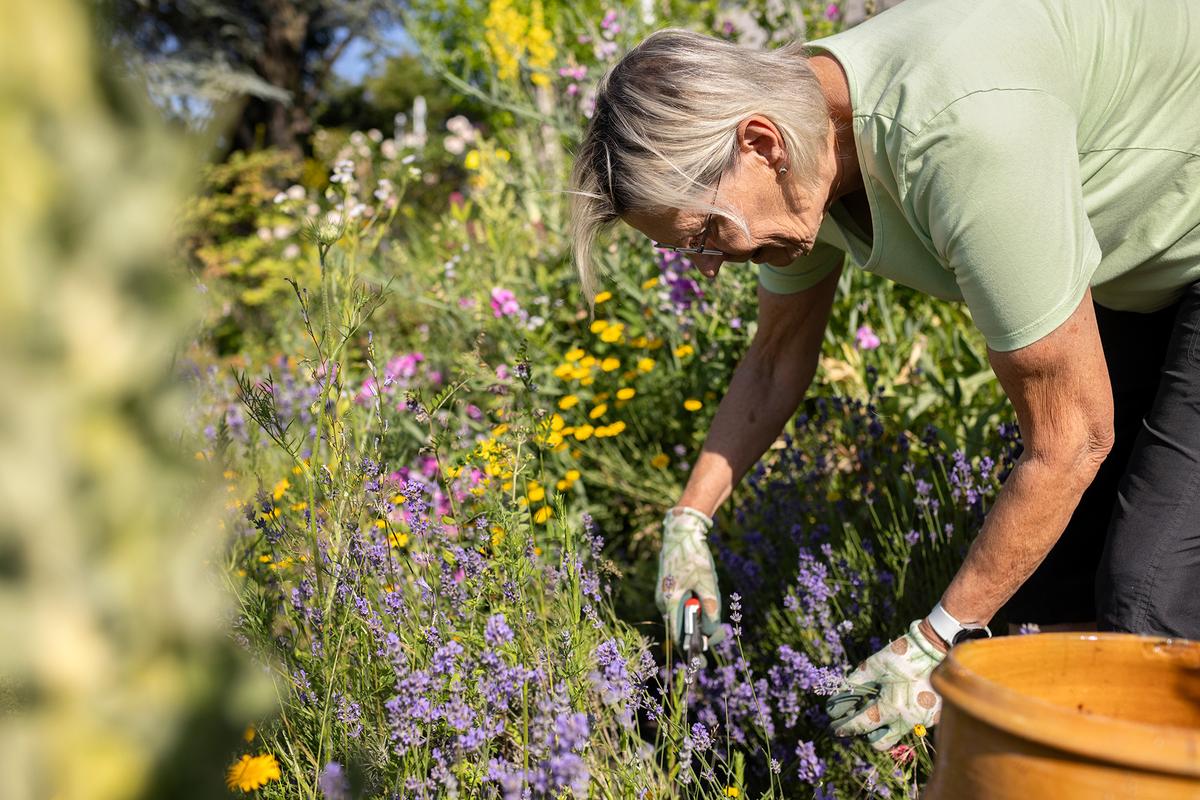
Give lavender a light trim, but avoid cutting any old woody stems, as they can have a hard time recovering.
Climbing roses should be deadheaded and given a light shaping. For roses that bloom only once per year, such as the Cherokee rose, wait until they’ve finished flowering. Hold off on the wisteria, too, which typically finishes flowering in mid-to-late summer.
Garden Guardian
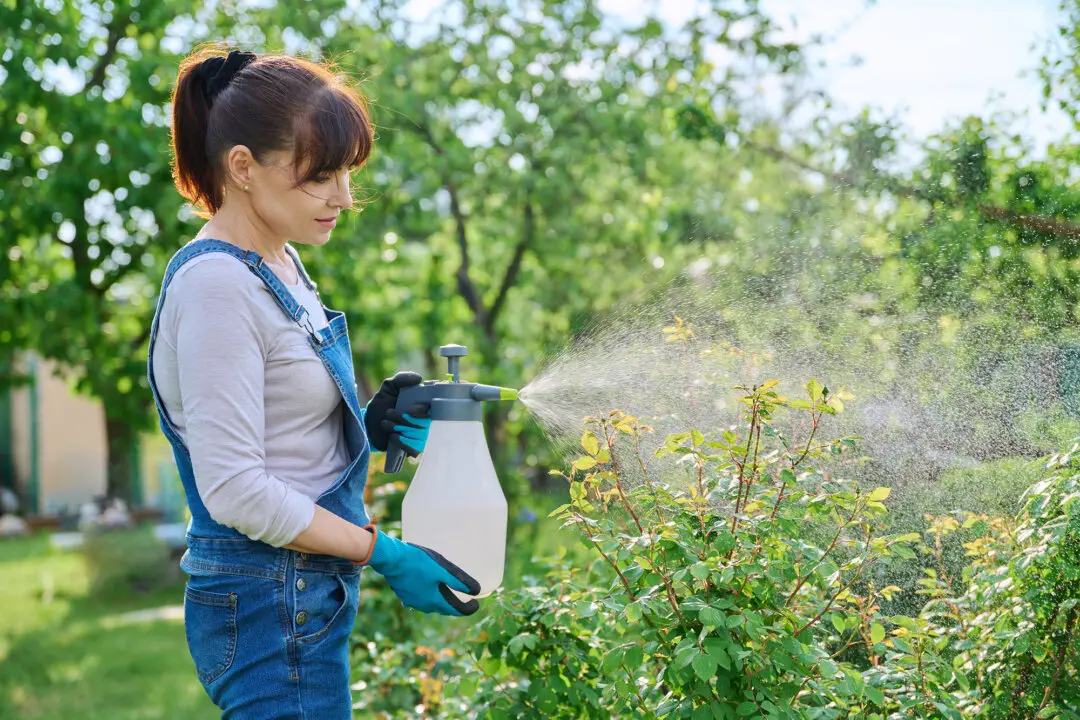
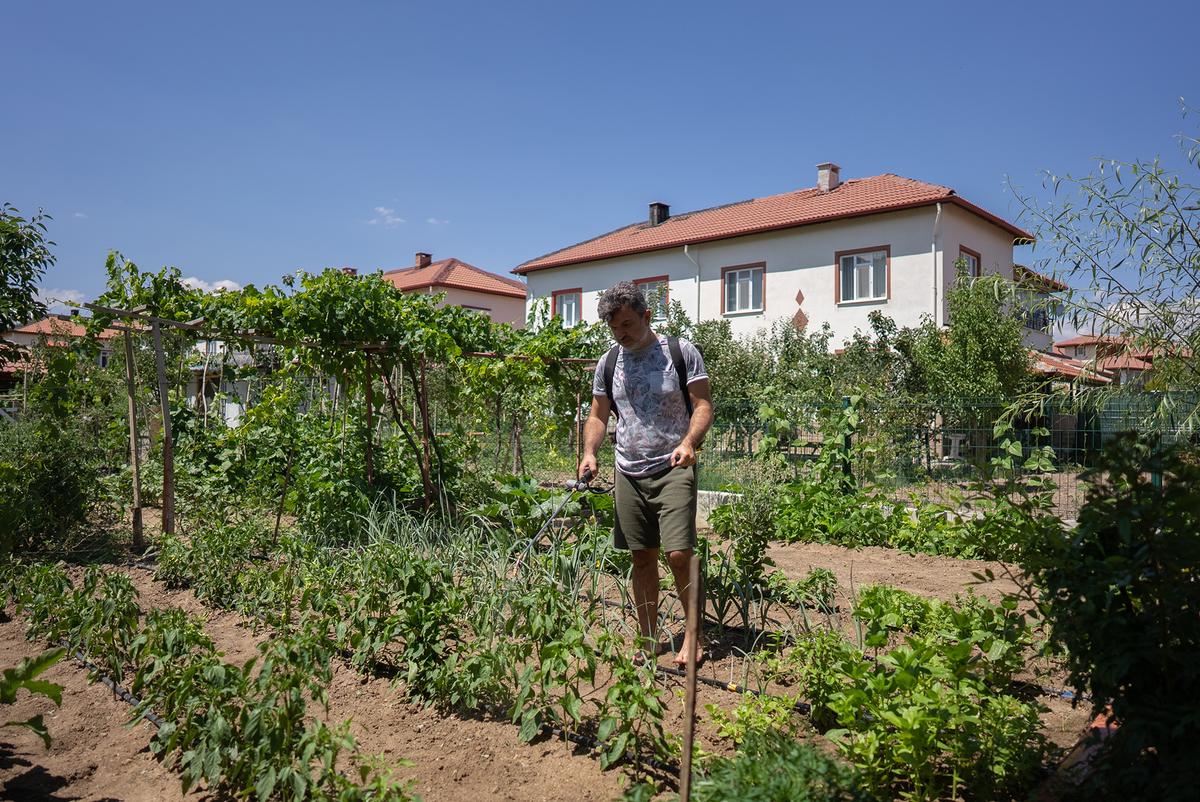
Put on some zen music and brew an herbal iced tea, then get out there before or after the high heat of the day to inspect the garden—particularly veggies—daily. Spray aphids with a robust blast of water before they become a full-blown infestation. Remove beetles by hand and drop them in soapy water, or spray them—as well as whiteflies and stink bugs—with an insecticidal soap.Remove tomato hornworms manually (yes, it’s gross!) and reduce caterpillar population on broccoli, cabbage, and other brassicas by spraying Bacillus thuringiensis. Inspect juniper, arborvitae, and other evergreens for bagworms, and spray while they’re small with Bacillus thuringiensis, as they may be too big in July and they can decimate plants quickly. Simple beer traps work well for slugs.
It’s also time to ramp up the weeding. Pull them daily; otherwise, they’ll steal nutrients from, and eventually choke out, prized plants.