Bustling trade routes of the 19th century took merchant sailors across oceans and to the shores of faraway continents. Smaller merchant ships lacked the manpower of Navy vessels, so the crews relied on a folksy type of work song for sailors. The sea shanty fostered synchronicity and boosted morale for the extra push workers needed to get jobs done. One shanty originating in the mid-1800s became popular for its lyrics full of adventure and possibility.
The story of “Rio Grande” reveals a time in history when humans didn’t simply travel by waterway, but felt a kinship with its waves and tides, and the shorelines it brought them to. The story also reveals a common misconception about the treasured maritime tune.
Music as a Motivator
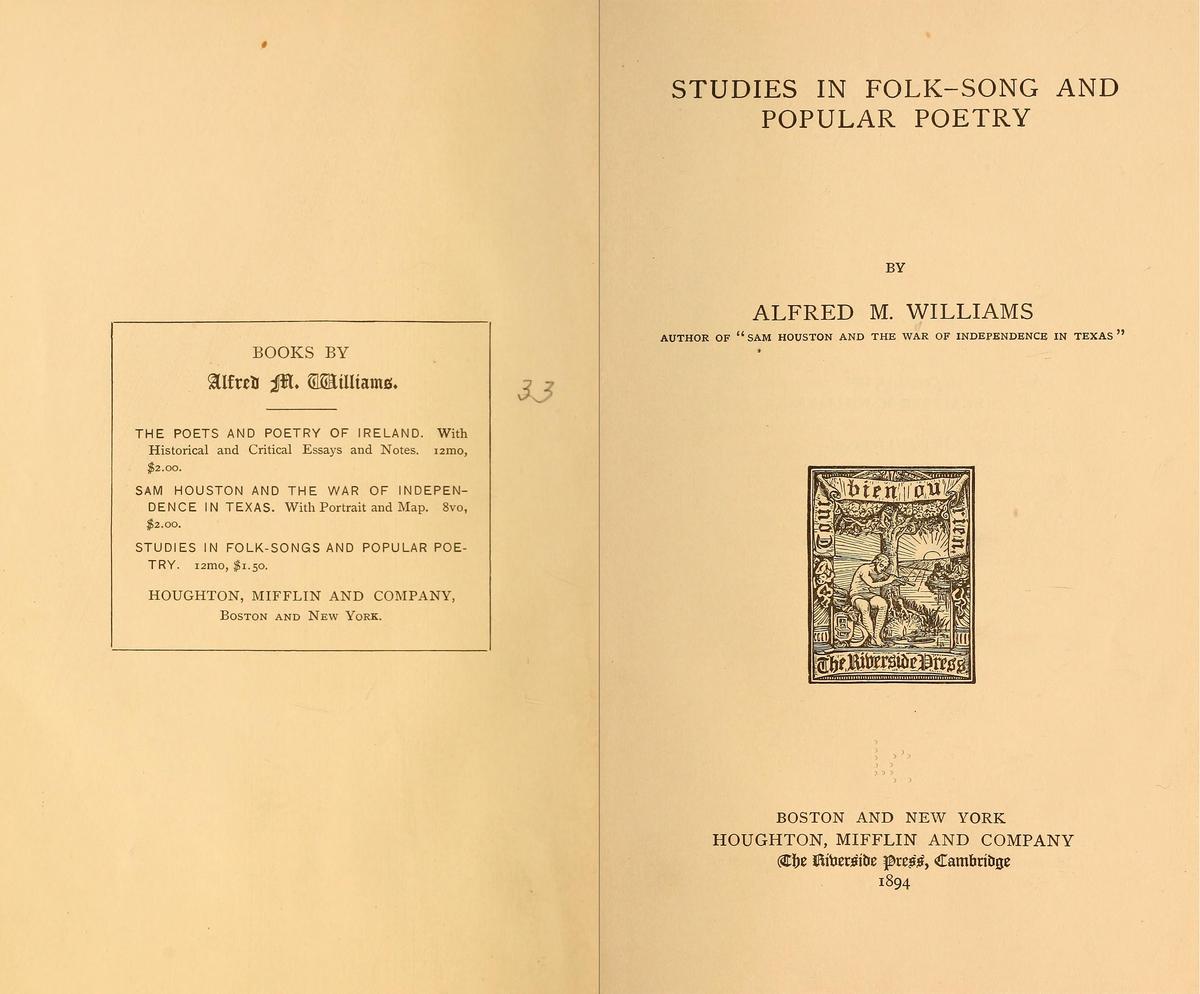
A certain air of mystery surrounds “Rio Grande.” No one has ever been able to pinpoint the tune’s author because it was passed down via oral tradition before being published. From the 1840s to the 1960s, it gained massive popularity among American and British sailors. In 1894, a fragment of the tune was officially published in Alfred Williams’s influential book “Studies in Folk-Song and Popular Poetry,” helping solidify its place in music history.
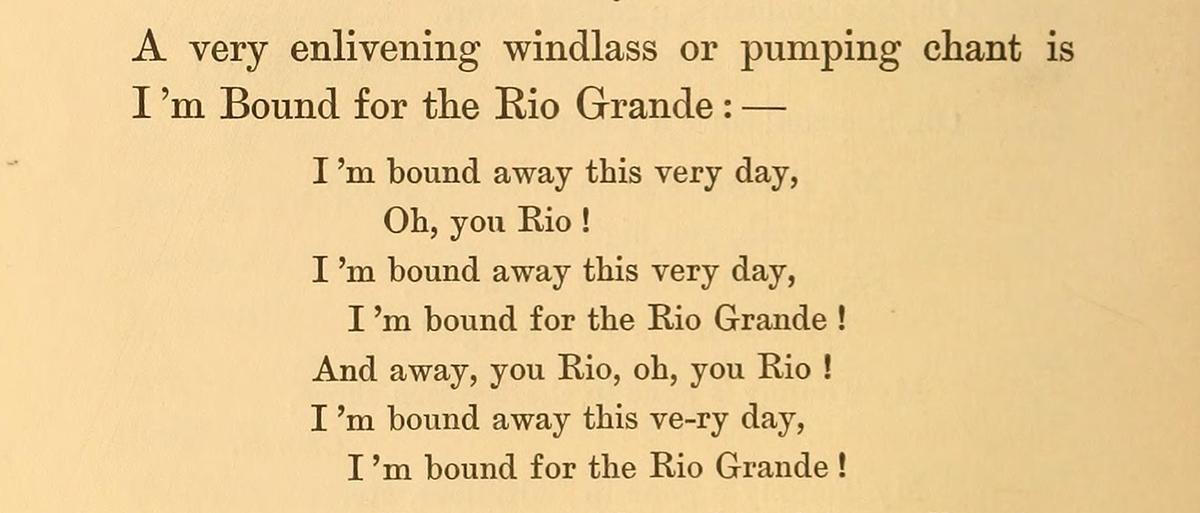
“Rio Grande” is a specific type of sea shanty known as a “capstan song.” These songs are named after a large, vertical revolving cylinder on ship decks, called a capstan, that sailors turned to haul heavy loads, such as anchors and cargo. “Capstan … songs tended to be used over a longer period of work, because the arduous task of pushing the capstan could often take a whole day and was continuous and intensive,” BBC publication Classical Music explains.
The driving, straight rhythm of the song combined with call-and-response lines like, “Oh, New York town is no place for me/ Oh, you Rio,” and, “I’ll pack up my bag and we’ll head out to sea/ And we’re bound to the Rio Grande,” kept crews engaged and working together. Traditionally, sea shanties are sung without instrumentation and with a leader, or “shantyman,” singing the verses solo while the rest of the crew calls out the chorus in response.


A Sailor’s Destination
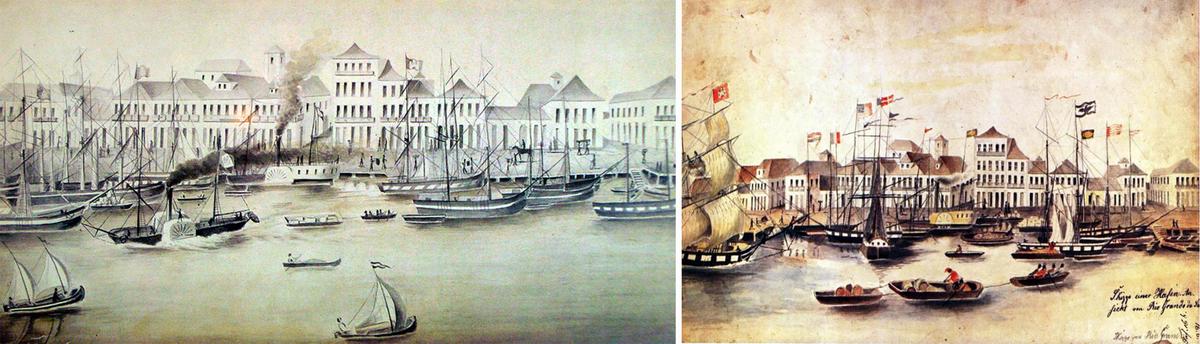
In southern Brazil lies a state referred to as the “Texas of South America.” Bordered by the Atlantic Ocean, it is known for European-style architecture and South American cowboy culture. Today, Rio Grande do Sul is considered a tourist destination. But during the Age of Sail from the mid-16th century to the mid-19th century, it first solidified itself as a sailor’s destination. A line in “Rio Grande” goes, “It’s there that the river runs down golden sand.” Rio Grande do Sul was once known for its sand dunes and gold mining activity. The prospect of finding gold while visiting the sprawling state made for the perfect sailor’s daydream.
But the port posed problems. To dock, ships had to navigate a narrow channel with hazardous sandbars. Even today, crews can only successfully guide their ships into port under favorable tide and weather conditions. This perilous path made the thought of the journey almost mythic for history’s many sailors—and it made for the ideal story for a sea-faring song.
“This shanty was traditionally popular with American sailors shipping coffee as well as sailors leaving England’s western coast and Wales who would often stop in Newfoundland or Cadiz for salt cod,” musician Ben Traverse shared on his website. “Rio Grande do Sul was a major hub for trade between the US and Britain.”
The “Rio Grande” sea shanty was often belted out on the way to the famous port. Over time, the work song took on many iterations, with various sailors adding in new verses or removing ones to make it shorter.
As countries and cultures continued to trade with each other, the sea shanty became a musical melting pot featuring Irish and Scottish as well English and American influences. In contemporary times, “Rio Grande” remains one of the subgenre’s lasting pieces. It is a staple at folk festivals and is commonly featured at performances by traditional sea shanty choirs, reminding listeners and audiences of a time when ships, not two-day shipping, reigned supreme.