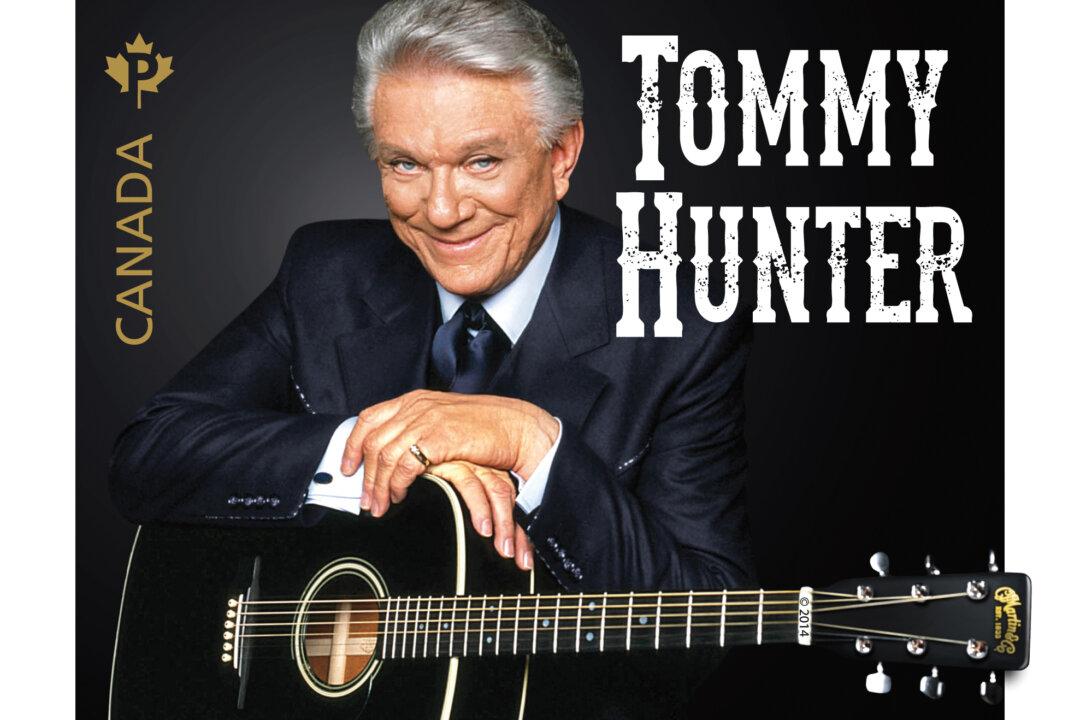
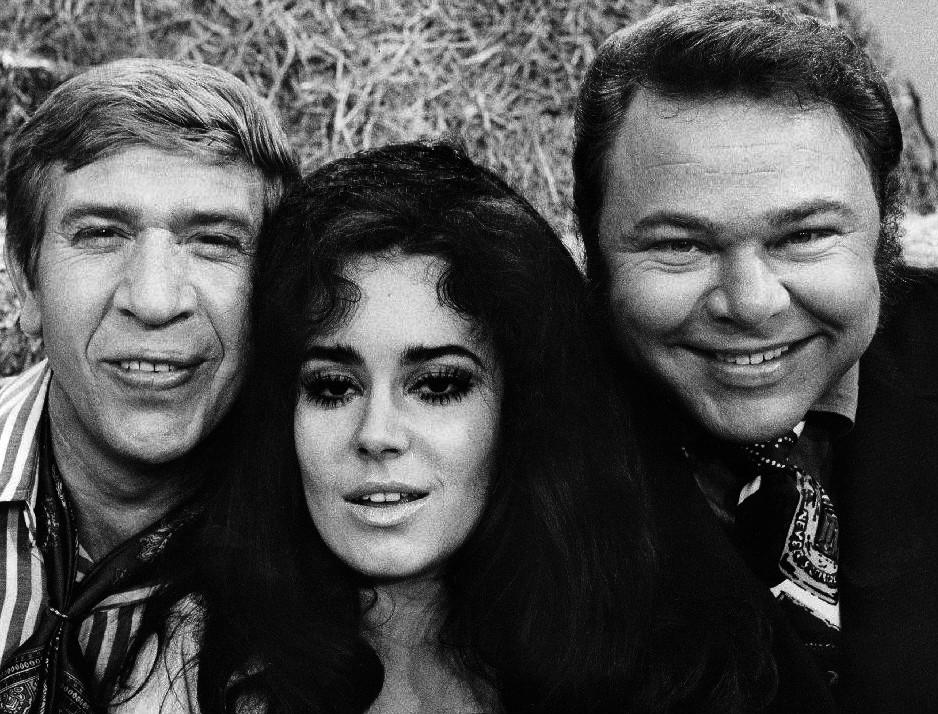
Throughout the 1970s, country music fans tuned in each week to the hour-long variety show “Hee Haw” to watch their favorite performers. The television program featured both comedy sketches and live music. Fans loved the friendly and talented cast member, Roy Clark, who co-hosted the show with fellow musician Buck Owens. With his guitar in hand on the set, Clark sang and played with Owens, participated in the show’s gospel and cowboy quartets, and performed alongside a slew of guests from Chet Atkins to Barbara Mandrell.
Clark was also a natural comedian, acting in staple “Hee Haw” sketches like “Pickin’ and Grinnin’,” which featured the co-hosts trading one-liners and jokes while playing bluegrass standard “Cripple Creek.” Clark was a fan-favorite, becoming the face of the show for its entire 24-year run from 1969 to 1993. The showman is best remembered for bringing live country music to homes across America. But behind the scenes, he was just as much an artist as he was an entertainer.
A Passion for Creative Expression
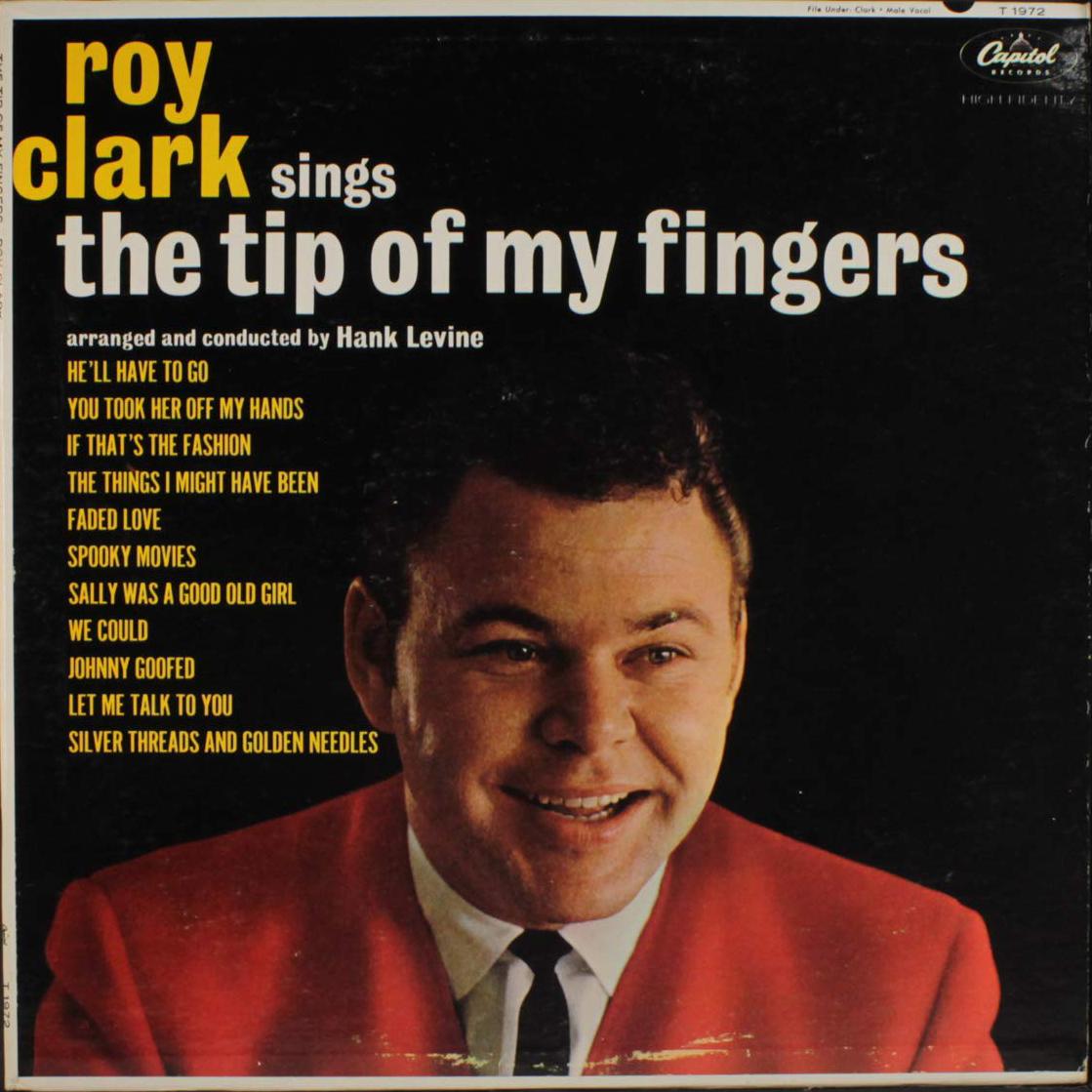
Roy Linwood Clark (1933-2018) grew up in the small town of Meherrin, Virginia. He was the son of two musicians and he spent much of his time learning how to play instruments. He studied the piano, the banjo, and the mandolin. He also learned how to fiddle. But his playing was most impressive when he picked up a guitar.Clark grew up loving all kinds of music, from country and bluegrass to gospel and pop. He signed a deal with Capitol Records in 1960 because the label understood his need for creative exploration of multiple genres. “The label gave him the freedom to record a wide array of albums featuring his vocal, guitar, and banjo skills,” the Country Music Hall of Fame and Museum states on its website. The Virginia native made an unconventional choice for his Capitol Records debut, a 1962 instrumental album focusing on his speed and guitar work titled “The Lightning Fingers of Roy Clark.” It would be only a year later, in 1963, that the recording artist got his first Top 10 country hit with his cover of the emotive Bill Anderson track, “The Tips of My Fingers.”
Becoming the Face of a Genre
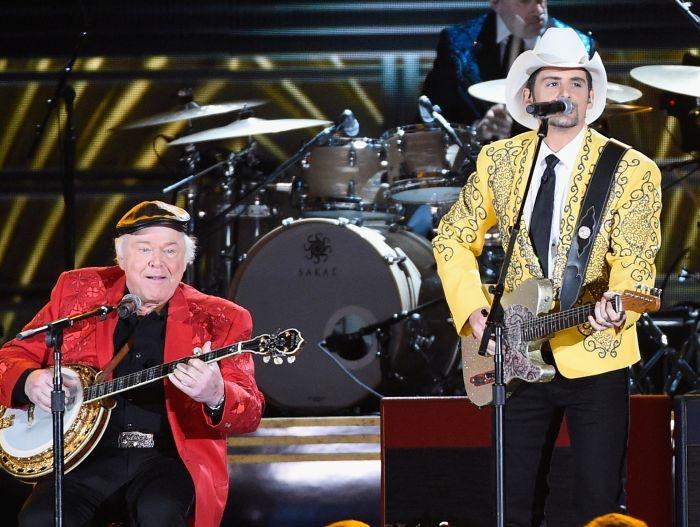
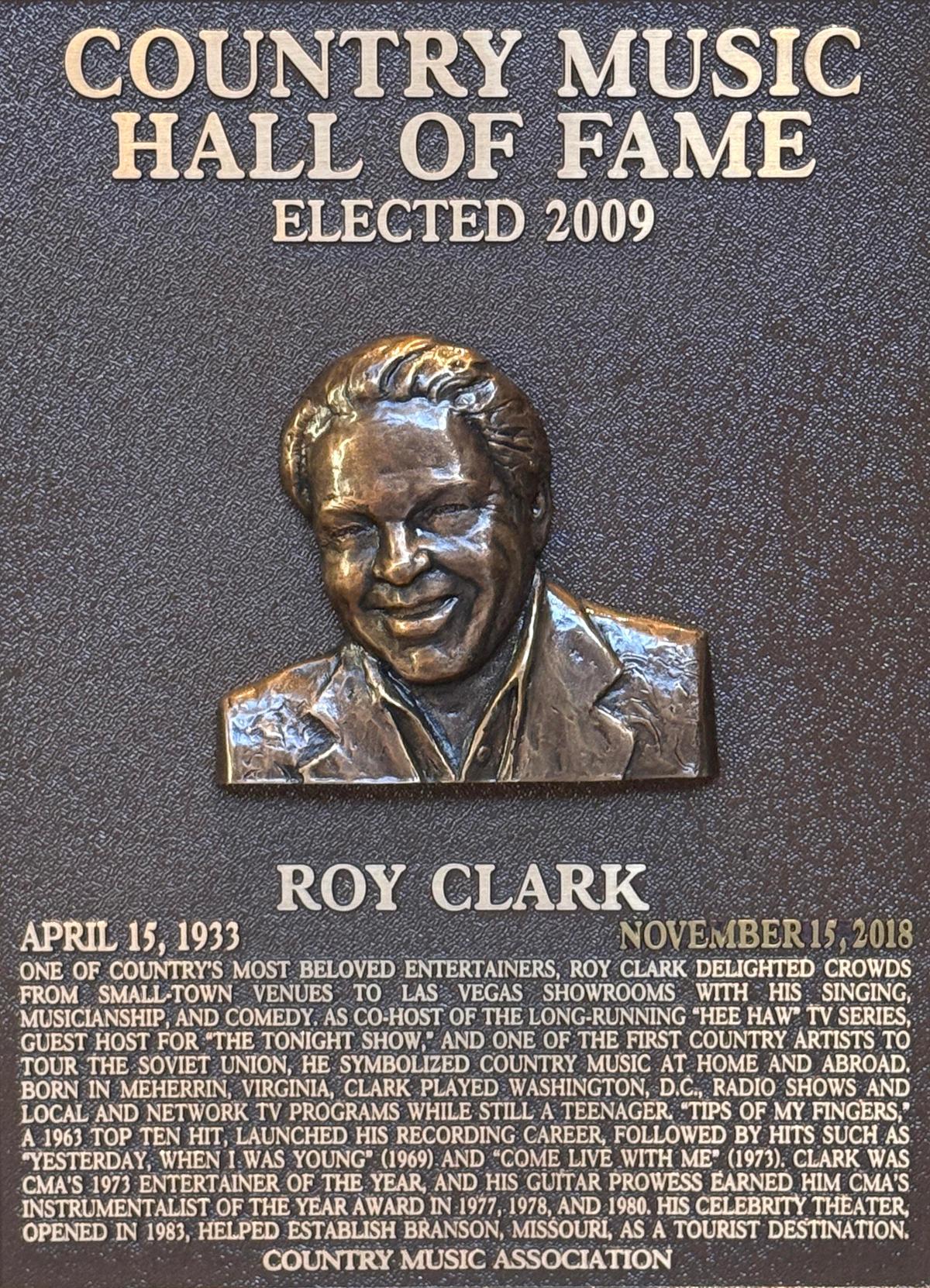
“Hee Haw” was an instant success. At the height of the show’s popularity, it pulled in as many as 30 million viewers each week. When CBS surprisingly canceled the show in 1971 in an effort to cut down on rural-based content, viewership continued to grow when it became a syndicated weekend program. When Clark released his No. 1 country hit in 1973, the love song “Come Live With Me,” he was known as one of the genre’s most influential ambassadors. British music writer Alan Cackett wrote, “In the early 1970s Roy Clark symbolised country music in America and abroad.”Because of his work on television, the stage, and in the studio, Clark received numerous awards over his career of more than 50 years. He received multiple awards from the Country Music Association and the Academy of Country Music for music and comedy. He won a Grammy in 1983 for Best Country Instrumental Performance for his signature instrumental take on the classic pop standard-turned-traditional-tune, “Alabama Jubilee.” In 1987, he became a member of the Grand Ole Opry, 37 years after he performed there for the first time by winning a banjo competition in 1950. Then, the Country Music Hall of Fame came calling, and in 2009, he was inducted into the esteemed organization.
Blending Comedy With Artistry
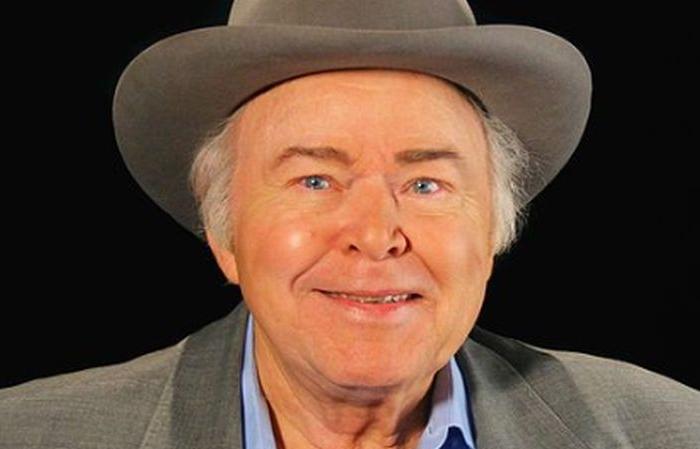
As a child, Clark used humor as an icebreaker. He was naturally shy, so to feel more comfortable performing in front of people, he told jokes as he played. This created a kind of down-home, friendly performance approach. But underneath the aw-shucks demeanor was a musician as serious as they come. After he passed away due to complications from pneumonia in November 2018, he was remembered for his seemingly boundless artistry.“Few people could blend song, instrumental skill and humor like Roy Clark,” Cackett explained. He was also remembered for his humble nature. “He was a country and popular cultural legend disguised as a regular ol’ nice guy,” Cackett wrote. He then shared a famous Clark line that highlights the musician and showman’s belief in the power of positivity:
“He was the guy who once said ‘I’m a firm believer in smiles. A real sincere smile is a mighty powerful thing,’” Cackett said.