Listeners across North America took a moment this month to remember the lasting impact of Tommy Hunter’s work on country music. The London, Ontario native was nicknamed “Canada’s Country Gentleman” because of his friendly and welcoming demeanor.
Hunter began his music career like many others, as a touring act and recording artist. But he would soon take a different path, becoming the host of a music program that would set records and break artists into the music business. Many seasoned country singer-songwriters today got their start because Hunter believed in their music. In the second half of the 20th century, one of Nashville’s biggest influences took shape in a Canadian Broadcasting Corporation studio over 700 miles away in Toronto.
From Radio to Television
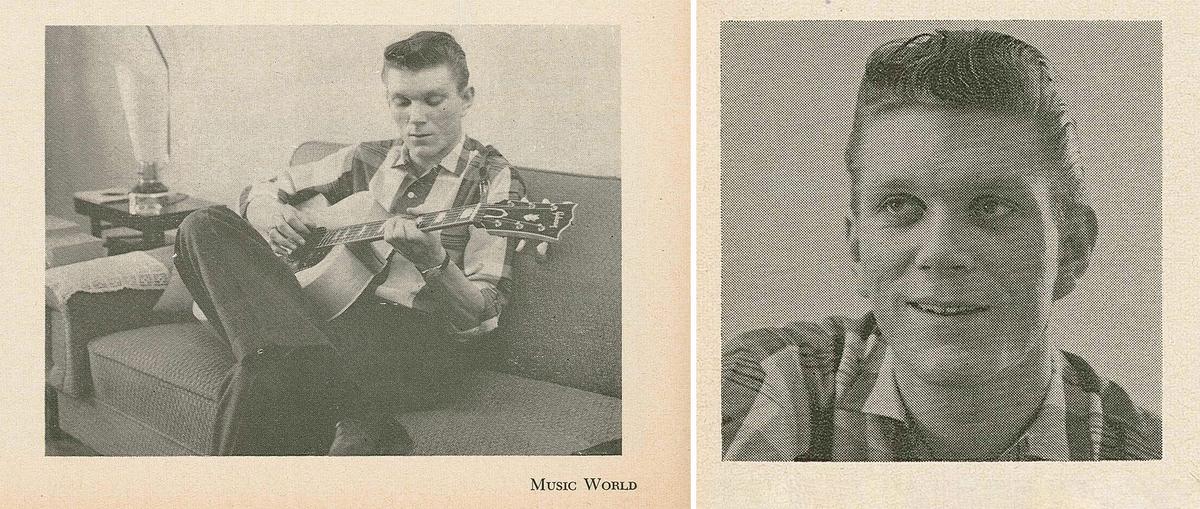
For nearly a decade throughout the 1950s and 1960s, the variety show Country Hoedown was one of Canada’s most popular TV shows. Fans who tuned in especially loved the live music performances. As a part of the show’s house band, Hunter provided rhythm guitar for many guests. When Country Hoedown ended its run in 1965, the Canadian Broadcasting Corporation needed a replacement. They found one in a fun radio program broadcast by the CBC called The Tommy Hunter Show. After making the jump to cable TV, the show became a success not only because of the featured musical talent, but also because of Hunter’s hosting talents. He was at ease in front of the camera and his smooth baritone voice lent itself well to anchoring a series on the rise.
The Tommy Hunter Show became known as Canada’s Grand Ole Opry. With that status in 1970, the timeslot was extended from a half-hour to a full hour. For nearly three decades, Hunter was known as a trusted country music tastemaker. He invited stars-in-the-making to perform, like the 14-year-old Shania Twain who later became a 1990s sensation. He also hosted country music’s most influential voices, like Johnny Cash, and one of Hunter’s influences for his own music, Canada’s Hank Snow.
A Lifelong Love of Country Music



Throughout the 1960s, as Hunter brought the music of others to homes across Canada and the United States, his own artistic vision was embraced. His popular single “Travellin’ Man,” a joyful tune about a man who loves to “wander” and see the world, served as The Tommy Hunter Show theme song. Several of his singles appeared on the Canadian RPM country chart, including his number one hit in Canada, the gentle love song “Mary in the Morning.” Hunter’s musical tastes helped mold his show, resulting in award wins, including a 1992 Gemini award (Canada’s equivalent of the Emmys) for Best Variety Series. When The Tommy Hunter Show came to an end that same year, it held the record for the longest-running television music program in North America until the debut of music-focused series like Austin City Limits.
Before Hunter became a household name, he was an undiscovered talent working to make a name for himself and his music. His journey into country music began as a young boy inspired by childhood heroes like Roy Acuff to learn guitar. His first instrument was a rented guitar he took to lessons. And at just 10 years old, Hunter began performing in public, traveling to churches, local theaters and hospitals treating veterans to play his six-string and sing.
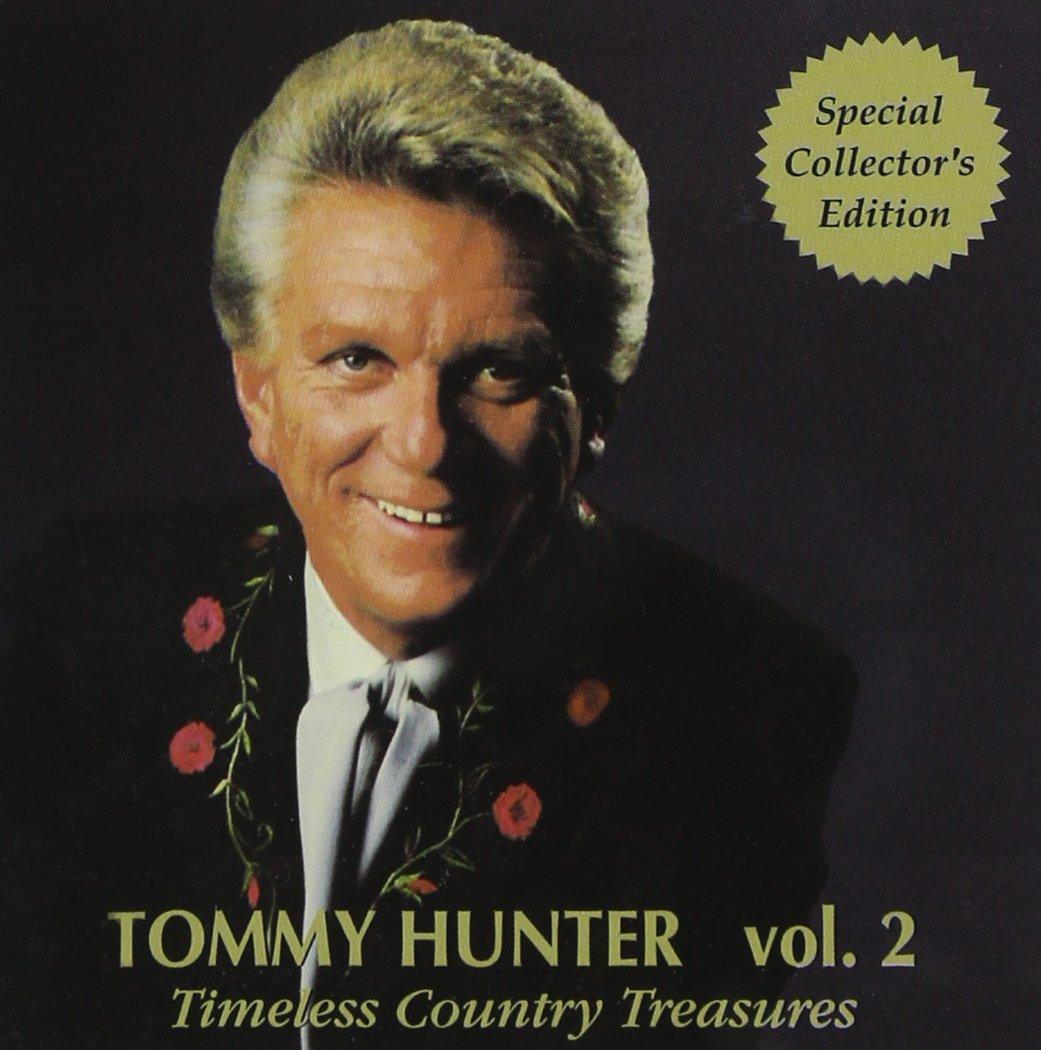
Hunter’s professional career ultimately spanned an impressive six decades and garnered an induction into the Canadian Country Music Hall of Fame in 1984. After he passed on July 2 due to natural causes at 89 years old, his business manager, Brian Edwards, released a statement in remembrance of the country music diplomat’s gentlemanly virtue. His remarks were later published on music outlets like Billboard and CFCW, a radio station based in Hunter’s hometown. “Tommy lived and worked with grace, humility, and deep respect for the audiences who welcomed him into their homes,” Edwards said. “He loved country music and all his loyal fans across Canada and the United States. He never once took for granted the generations of families who made him part of their lives.”