Each year in America, around 4.5 million wind chimes are sold to shoppers decorating their backyards and revamping their landscaping. On a global scale, sales jump to 12 million annually for residential purchases. The soothing, musical outdoor decoration is a common suburban staple. But its past can be traced back to ancient civilizations and is rooted in spiritual practice.
Living in Harmony With Nature
Wind chimes originated in ancient China around 3000 B.C. These early creations were made of natural materials like seashells and bamboo and were incorporated into both personal and public spiritual settings.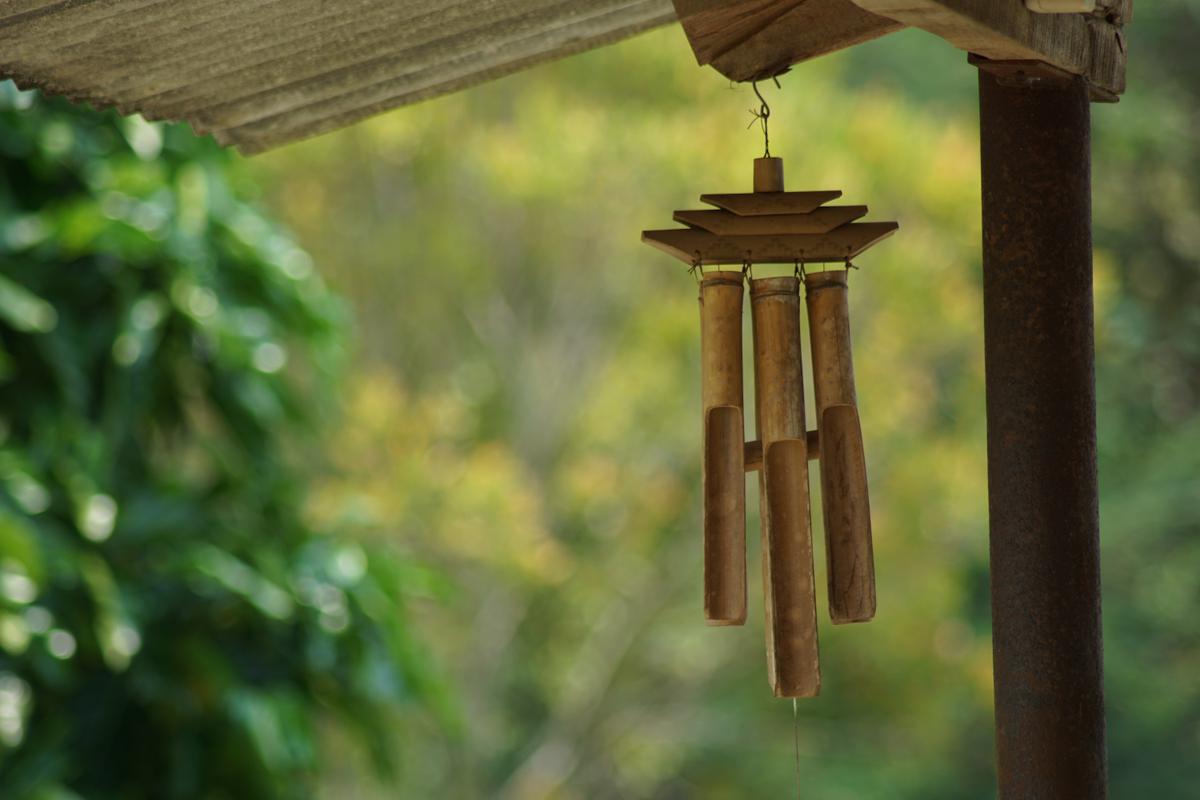
Known as “fengling,” or “wind bell,” wind chimes were an essential part of feng shui, the common ancient Chinese practice fostering harmony with one’s natural surroundings through energy. From temples and pagodas to private residences, wind chimes were hung to help ward off negative energy and invite benevolent energy into the space, creating a sense of balance and vitality.
Gardens were an integral part of ancient Chinese culture, and wind chimes helped create a serene environment within these deeply personal, sacred spaces. “Chinese gardens were designed to be places of peace and contemplation,” shared Fox Brae, a company that specializes in handcrafted wind chimes. “And the soothing sounds of wind chimes helped to create a sense of calm and tranquility.”
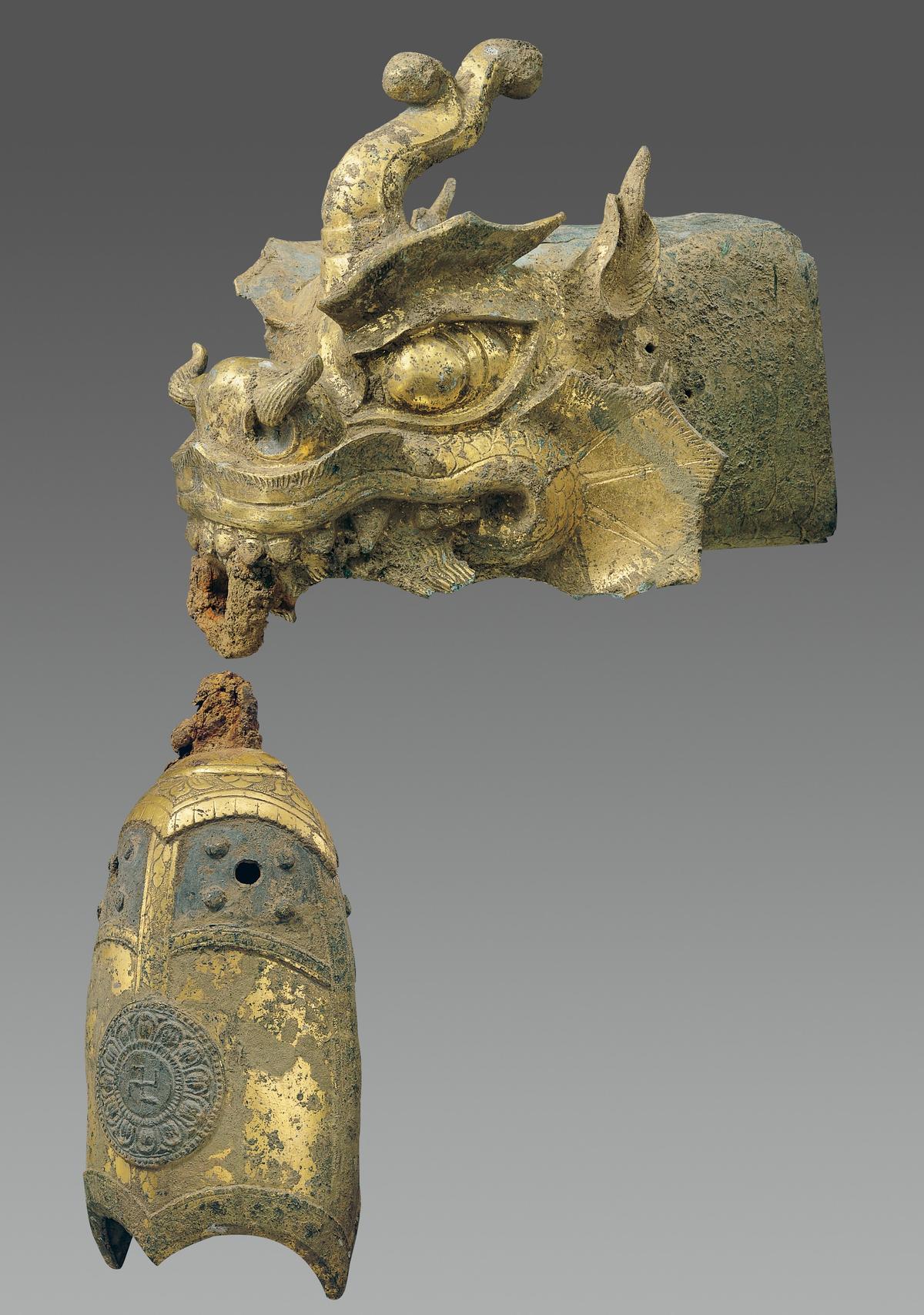
The use of wind chimes spread throughout Asia and became increasingly popular in other countries like India and Japan. As wind chimes were embraced more and more, people found new ways to incorporate them into everyday life. One purpose was more practical than spiritual—pest control.
Many countries in Asia were home to agricultural communities. Farmers realized that though melodic sounds of chimes were soothing to humans, animals were sometimes a different story. They used wind chimes to ward off birds and other small animals that damage crops.

A Social Purpose

The Romans referred to wind chimes as “tintinnabula,” a Latin term for small, musical bells. Their wind chimes were mostly made of bronze, but other metals like iron were utilized for specific parts. They could be found hanging throughout the city in various courtyards, but citizens made good use of them at home too when expecting company. “They hung them outside of bedroom windows and in their gardens and attached them to a cord that hung outside the front door, out of the wind,” shared news outlet WYTV: “The Roman version of a doorbell.”
Wind chimes are technically a percussive musical instrument known as an idiophone, a category of instruments that make sounds due to the vibrations of their own material, rather than through strings or other conventional methods.
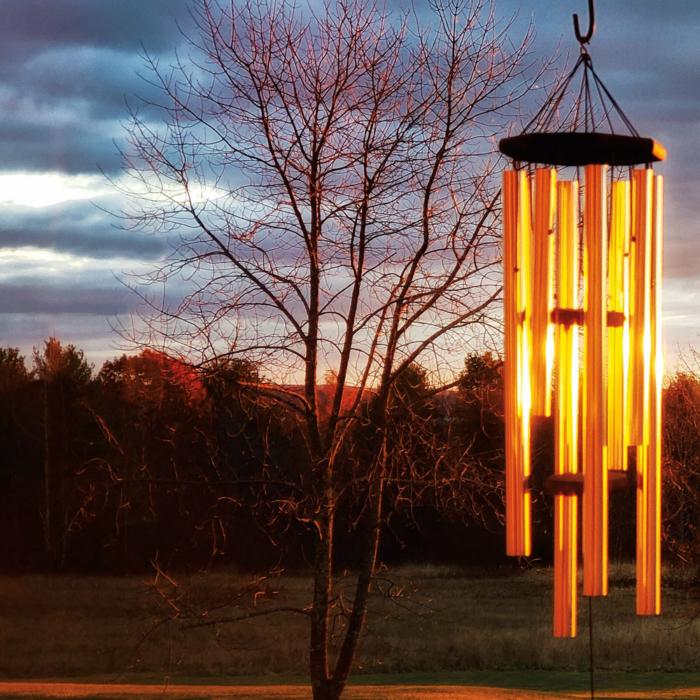
Today’s wind chimes are made of various materials—metals like aluminum and copper, wood and bamboo, or more delicate materials such as glass. Modern models often feature five or six long tubes accompanied by a dome that supports the suspended tubes, all held together by durable material like nylon string. The “striker,” or “clapper,” is a central tube piece that is moved by the wind catcher or “sail.” The wind catcher hangs longer than the tubes and is rustled by the wind, causing movement. Once the striker is engaged by the wind catcher, it moves against the other tubes, creating a gentle melody that gives wind sound.
Beauty and Music for Reflection
It is hard to look at wind chimes as merely decorative considering their spiritual and varied past. Though more secular than sacred now, wind chimes still serve an important domestic purpose, they add beauty and music to a treasured communal and reflective area: the backyard.Wind chimes were once used to balance energy and ward off pests, but their job today remains significant. Their song offers a pleasant surprise on a breezy summer day. Wind chimes are an affordable, melodic way to transform an atmosphere. They’re also one of those finishing touches that helps transform a house into a home.