NR | 20 min | Drama | 1939
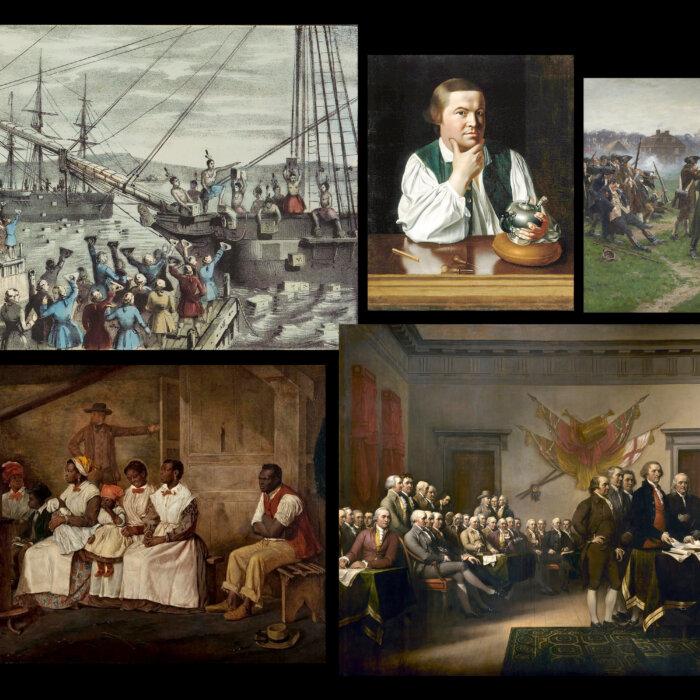
It’s customary for history books, films, and documentaries to commend political and military leaders who saw America through its tumultuous 18th-century struggle for independence.
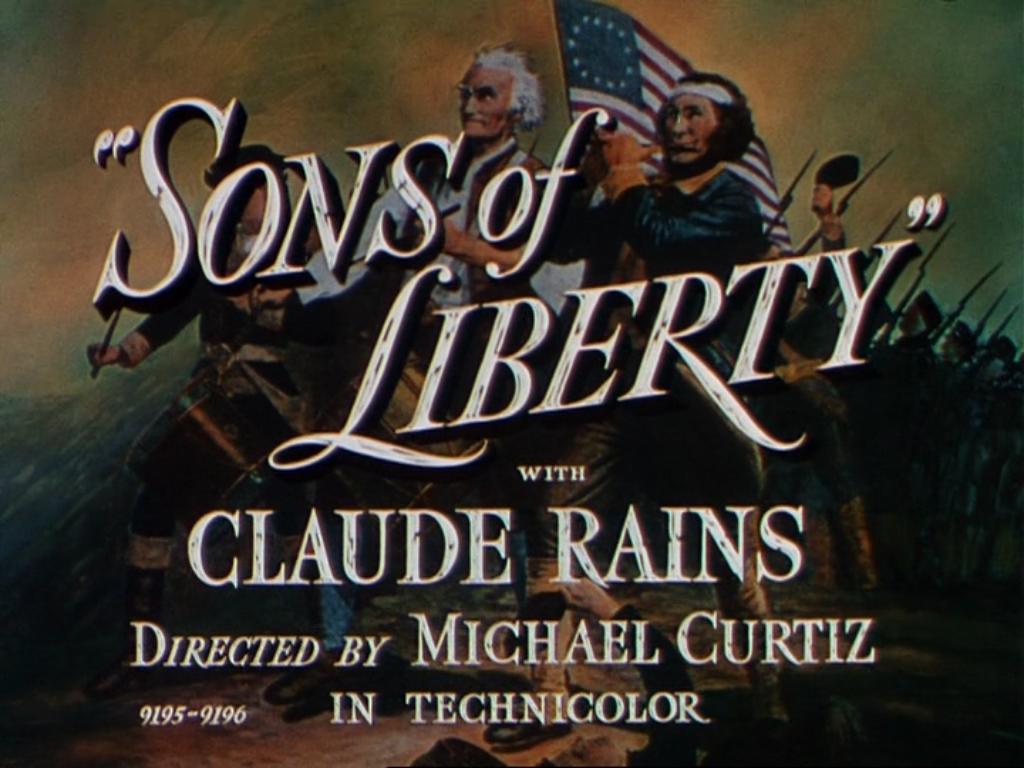
The 1939 short film “Sons of Liberty,” however, applauds someone whose financial acumen and magnanimity laid the foundation for that freedom. This Oscar winner for Best Short Subject celebrates an American Jew’s crucial contributions to building the new nation.
American Patriot
Salomon is a Jewish businessman and financier with roots in Europe. He’s now settled in America with his wife, Rachel (Gale Sondergaard), and children, and he’s immovably wedded to the cause of American independence.Soon, the British authorities charge Salomon with helping to sabotage stores and supplies meant for British forces. He escapes hanging only by doubling as an interpreter, first in prison, then at the British headquarters.
Before long, he’s a full-fledged spy for Gen. George Washington (Montagu Love). He’s helping American prisoners escape and saving the lives of hundreds of American soldiers via his secret dispatches.
Furious, the British arrest McDougall and then Salomon. That doesn’t stop Salomon, though; a day before he’s to be hanged, he flees to Philadelphia.
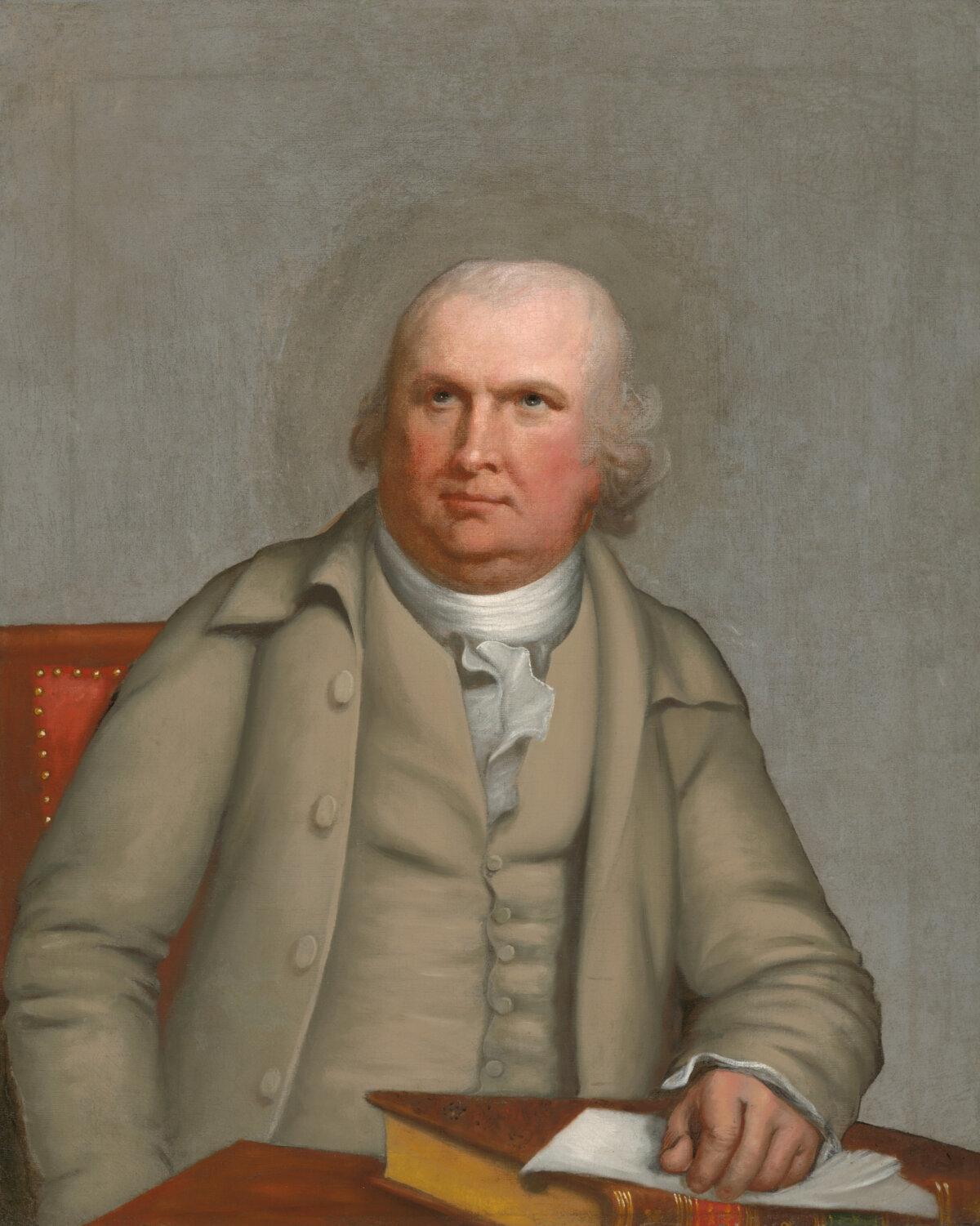
There, he leverages his contacts and clout to raise unprecedented sums for the Continental Army and the revolutionary government’s Superintendent of Finance, Founding Father Robert Morris (Moroni Olsen).
Profound Portrait
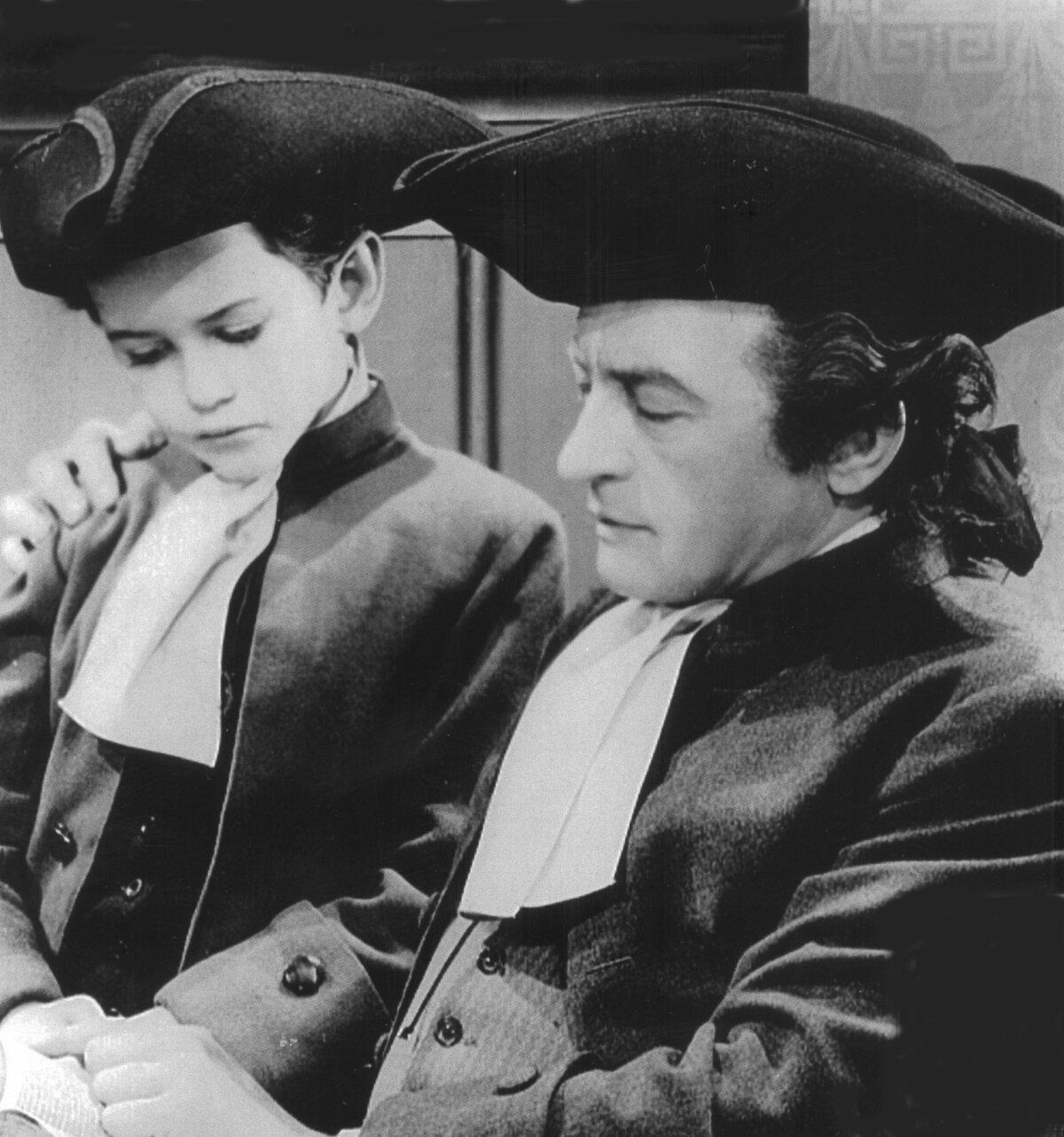
“Sons of Liberty” lacks the finesse of better-financed productions, but it more than makes up for that by painting a profound portrait of its protagonist. It isn’t a full-blown biopic; instead, it’s a fast-paced primer for the uninitiated, nudging them to learn more about this fascinating figure.
It’s tempting to quibble that the generous public responses here to Salomon’s crowdfunding efforts seem far-fetched, even unreal. When they were uttered some 250 years ago and backed by real money, however, they were anything but.
Salomon was heroic several times over. He conjured sizable funds, at a time when troops that Washington so desperately needed to keep fighting were threatening to surrender to the British if they weren’t properly clothed, fed, and paid.
Here, Morris, America’s first secretary of the treasury, explains to Washington the futility of appealing to Congress; the Treasury’s already empty.
In harsh, cramped prison conditions, Salomon contracted what would eventually be a fatal tuberculosis infection. By the time freedom had been won, he’d so exhausted his own wealth that he died penniless; most borrowers (including the government) couldn’t afford to repay their outsized loans.
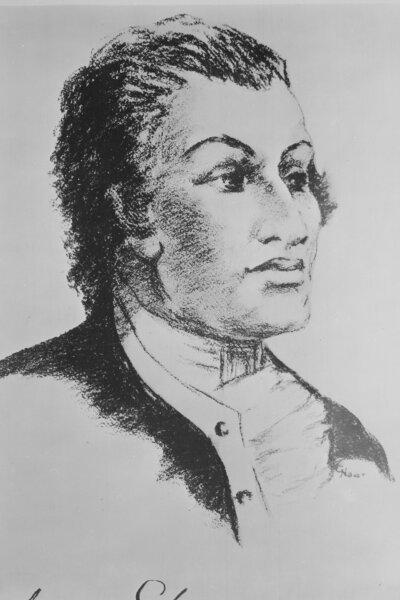
Salomon’s generous contributions to America’s resistance eventually stood at over $650,000, the equivalent of about $20 million today. Unsurprisingly, in a 1925 speech, President Calvin Coolidge said of Salomon:
“He negotiated for Robert Morris all the loans raised in France and Holland, pledged his personal faith and fortune for enormous amounts, and personally advanced large sums to such men as James Madison, Thomas Jefferson, Baron Steuben, Gen. St. Clair, and many other patriot leaders, who testified that without his aid they could not have carried on in the cause.”
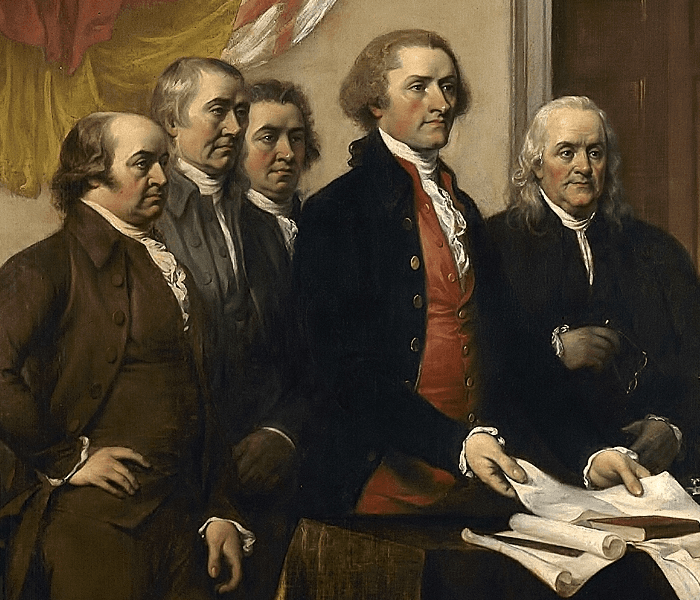
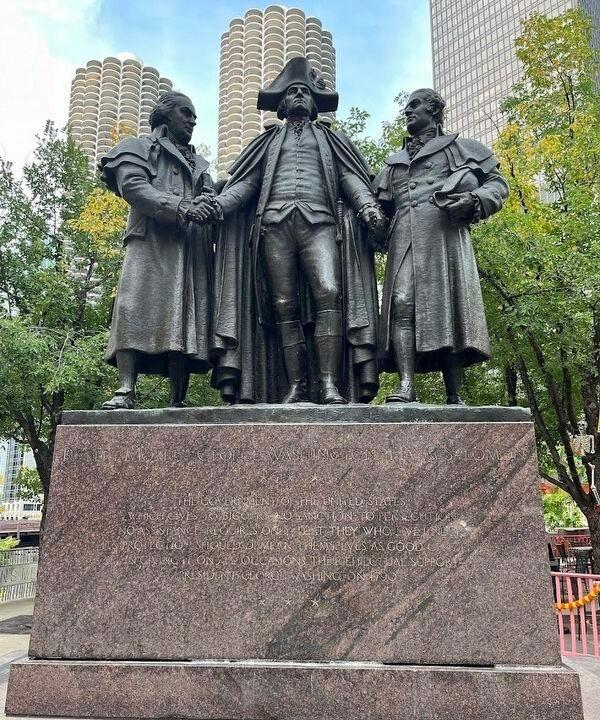
Today, near the Chicago River stands a monument which grants financiers Salomon and Morris equal billing alongside their commander, Washington. In its 1975 tribute, the Congressional Record of the U.S. House of Representatives and Senate confirmed that Salomon superlatively answered Thomas Jefferson’s call to patriots in the 1776 Declaration of Independence “to pledge to each other our lives, our fortunes and our sacred honor.”
In the film, when Salomon’s in prison, his eyes fall on words defiantly scribbled on the inside walls, “Liberty or Death.” Implied is how Salomon finds inspiration from Patrick Henry’s fiery 1775 speech, which immortalized that sober choice for patriots.
It was as inconceivable to Salomon as it was to Henry that America should stay subject to a foreign, imperial power. An otherwise devout Jew, Salomon interrupted a solemn synagogue service to address the congregation on Gen. Washington’s appeal for funds.
On his deathbed, Salomon tells a grieving Rachel, “I’m sorry I leave you nothing of material worth. But I do leave you a sacred trust, to raise our children to be good Americans.”
Salomon’s metaphorical fist may have been clenched in resolve against the British, but when it came to giving to America and the struggle for freedom, his hand was unreservedly open.