The most important thing to do when the ground begins to shake is to stay calm.
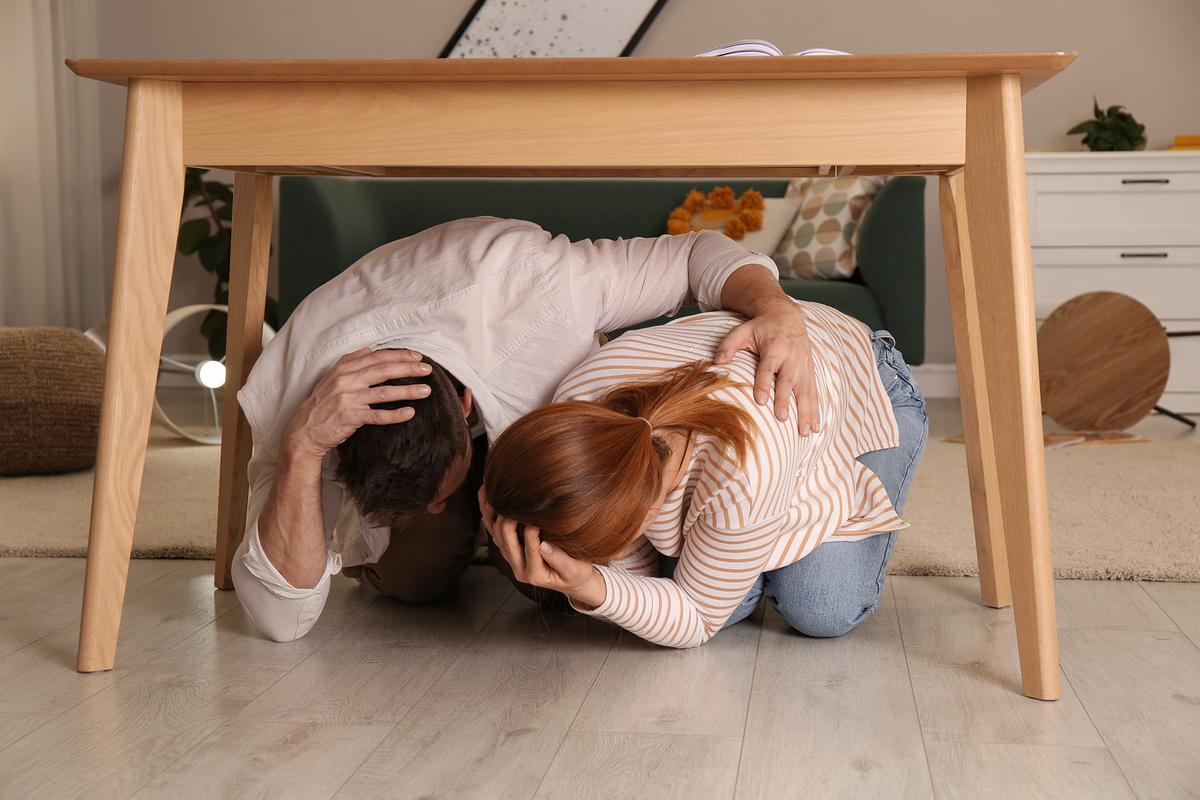
That may be easier said than done, but knowing what to do will go a long way toward keeping panic at bay. If you’re indoors, stay indoors. If you’re outside, stay outside. Immediately drop to your hands and knees to improve your balance. Crawl to a protected location, such as under a sturdy table or desk. It’s important to cover your head and neck and, ideally, your entire body if possible. Be prepared to hold the table or desk in place over you, if needed.
Indoor Actions
What happened to the old-fashioned advice to stand in a doorway? Better home construction. The “doorway is the safest spot” advice actually dates back to old adobe homes out West, where often only the doorway was left standing after a big shake. In modern homes, the openings (doorways and windows) aren’t stronger structurally. Plus, they don’t protect against flying or falling objects like a table would.No available tables? Crawl to the nearest interior wall, and protect your head and neck by covering them with your arms, a pillow, a folded blanket, or a large book (think oversized coffee table picture books).
Stay away from exterior walls, windows, fireplaces, tall furniture (such as an armoire), and objects that could fall or shatter. Once settled, stay in place, because moving around increases the risk of injuries.
The exception to this is when in bed. Then it’s probably simplest to roll over face down and cover your head and neck with a pillow, particularly if there isn’t a table or desk in the room large enough to get underneath.

Those in wheelchairs will want to move to a safe location, lock their wheels, remain seated, and protect their head and neck as best as possible. This holds true if outdoors as well.
Outside Plan
A wide-open area is the best spot. This means away from trees, streetlights, telephone poles, utility wires, buildings, bridges, or overpasses, as objects may fall off them or they could collapse.Vehicular Wisdom
Turn on the hazard lights and pull over as soon as it’s safe to stop. Turn off the engine, put on the parking brake, and keep the seatbelt on. Avoid overpasses, bridges, power lines, trees, and parking garages, if at all possible. Definitely avoid expansion joints (those metal toothed plates that allow the road slabs to shift) on elevated highways. They’re weak points.Turn on the radio to get the latest updates. In most cases, it’s best to stay in the vehicle, with two big exceptions: if there’s a smell of gasoline (i.e., danger of fire or explosion), or if there is a tsunami alert. In which case, go two miles inland or 100 feet above sea level. Some low-lying coastal areas have, or are building, vertical evacuation towers, structures, mounds, or other designated areas for this purpose.
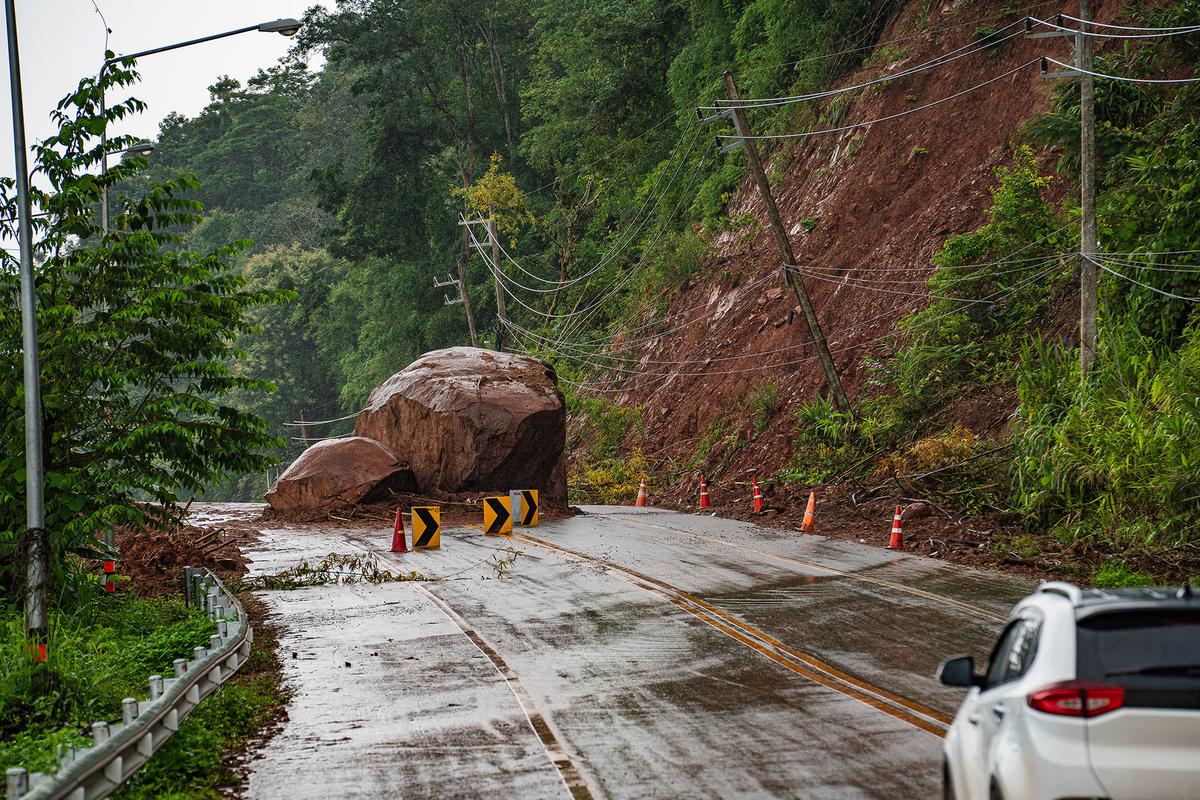
Aftermath Actions
There may be aftershocks. Be prepared to Drop, Cover, and Hold On again during the minutes, hours, and even days following.If barefoot, put on sturdy shoes to protect against broken glass or other scattered pointy objects. Put out any small fires. If there’s a gas smell or any other concern, shut off the gas and the electricity. In fact, if you know how to do it safely, it’s not a bad idea to shut off the electrical main on the chance that there is unseen damaged wiring. Turn off the water supply at the first sign of leaks.
Inspect yourself and others for injuries. Treat as required immediately to reduce the chance of infection. Do not move the seriously injured unless they are in catastrophic danger, such as in the imminent collapse of a building, or first responders are not available. Never take an elevator.
Stuck in a building or vehicle? Send a text message, if possible, with relevant details about your location and status to friends and family, including those out of the danger zone who may have the best service. Hear rescuers? Bang on pipes or otherwise make noise.
All safe? Good. Send that message to family and friends. Consider installing a panic alarm app.